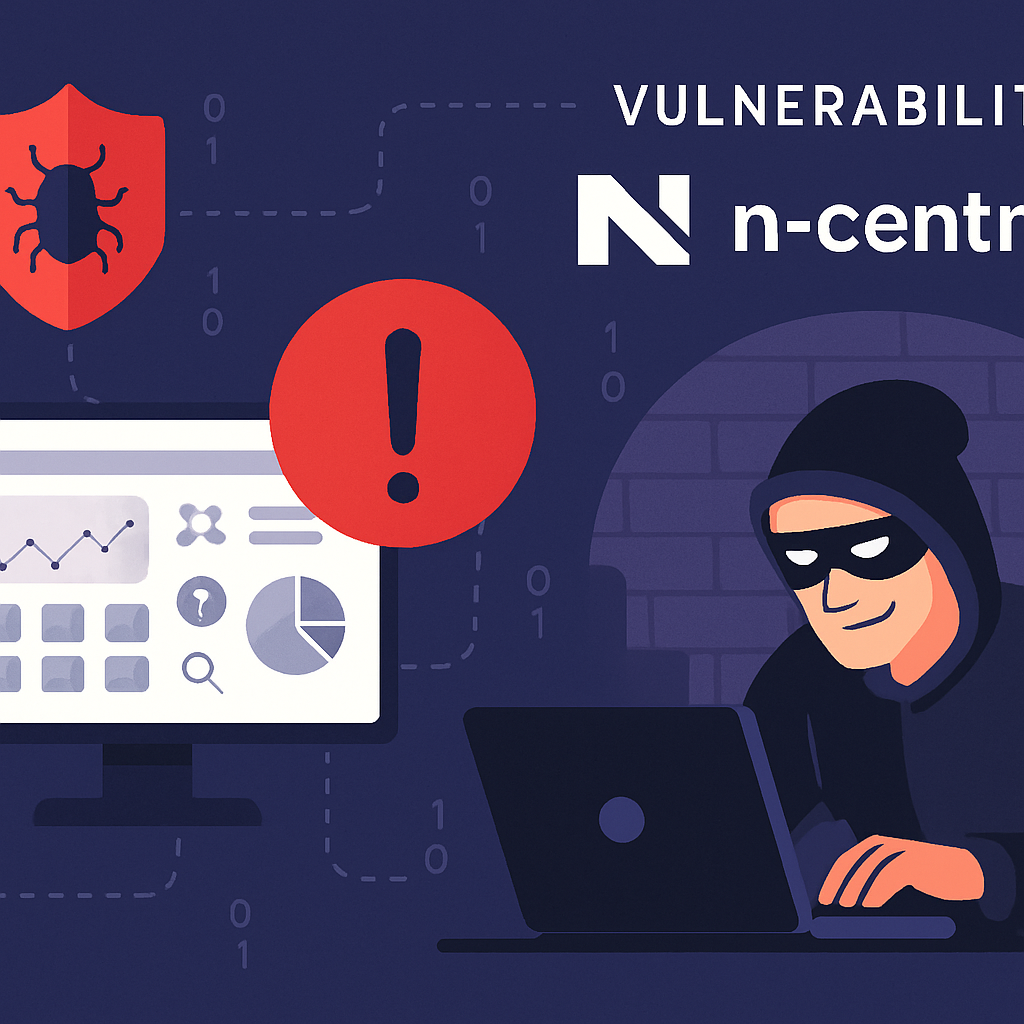
The U.S. Cybersecurity and Infrastructure Security Agency (CISA) has recently added a significant security flaw in N-able N-central to its Known Exploited Vulnerabilities (KEV) catalog, following reports of active exploitation. This vulnerability, identified as CVE-2026-18577 with a CVSS score of 8.2, stems from incomplete patching of a previous issue, CVE-2026-18556, and allows for authentication bypass and potential account takeover in affected versions of the software. The issue has been addressed in version 2026.3 HF1.
N-able N-central is a Remote Monitoring and Management (RMM) platform widely used by Managed Service Providers (MSPs) to oversee and secure client endpoints across various operating systems. The exploitation of this vulnerability enables remote attackers to gain administrative access to vulnerable N-central servers. Once access is obtained, attackers can misuse the platform’s Take Control feature to infiltrate managed endpoints and establish persistence mechanisms.
Indicators of compromise associated with this vulnerability include the presence of a file named “svchost.exe” in device users’ documents folders and a registered service called “Cloudflared.” The latter is a legitimate tunneling utility from Cloudflare that has been exploited by malicious actors to create covert outbound connections, thereby disguising malicious activities as legitimate traffic. Additionally, organizations should be vigilant for inbound connections from the following IP addresses:
- 173.249.252[.]200
- 87.249.138[.]34
- 37.19.210[.]32
- 68.235.46[.]214
These IP addresses are associated with VPN services such as Mullvad and NordVPN, which have been previously linked to malicious activities, including brute-force attacks and spam.
Post-exploitation behaviors observed include high-level reconnaissance targeting critical servers like domain controllers, enumeration of running processes on compromised hosts, and lateral movement within the affected organization’s network. In some instances, attackers have utilized the default “MSP Support” username associated with legitimate N-Central Take Control sessions to establish malicious connections.
While the scale of these attacks remains unclear, N-able has acknowledged that a limited number of customers have been compromised through CVE-2026-18577. This incident underscores the ongoing risks associated with widely deployed RMM platforms, which, if exploited, can provide attackers with persistent access to target networks.
In response to the active exploitation, CISA recommends that Federal Civilian Executive Branch (FCEB) agencies apply the necessary fixes by August 6, 2026, and thoroughly review N-central Take Control activity within their environments.
This development highlights the critical importance of timely patch management and continuous monitoring of RMM tools. Organizations must remain vigilant, ensuring that all software is up-to-date and that any signs of compromise are promptly addressed to mitigate potential security breaches.