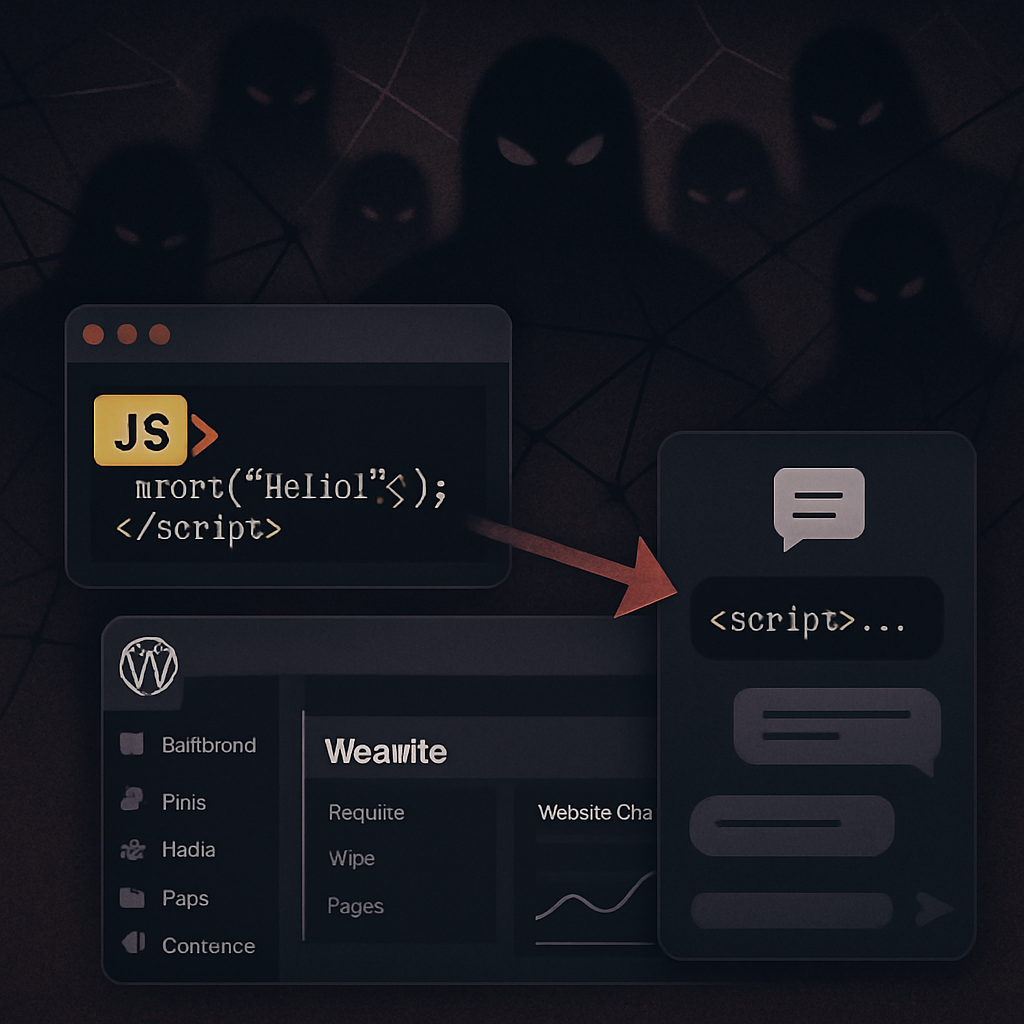
On September 14, a supply-chain breach tied to Brevo allowed attackers to inject malicious JavaScript into widely used tools, exposing over 100,000 websites. Compromised components included a site tracker and chat widget delivered via Brevo’s infrastructure, used by many websites and WordPress administrators. Visitor forms, unsubscribe pages, and signed-in WordPress dashboards were among the vectors targeted.
How the Attack Unfolded
The incident was uncovered by security researchers who traced altered script URLs anchored in Brevo-owned services and integrations. Two attack paths emerged: one aimed at WordPress administrators already signed in, leveraging active sessions to install a plugin likely functioning as a backdoor; the other deployed a “ClickFix” overlay trick on regular visitors, prompting fake verification steps that coerced users into copying and executing a clipboard command.
The malicious JavaScript was served between 16:05:18 and 20:12:53 UTC on September 14. After that time window, malicious domains stopped resolving, and Brevo’s origin assets were reportedly cleaned. However, cached or embedded instances of the tainted scripts still persist on some sites.
Impacts, Indicators & Mitigation
Site owners using Brevo’s chat widget, tracker, or form-hosting services need to examine their WordPress logs for suspicious plugin uploads and activations, especially around September 14. Visitors who fell for the overlay prompt should run full antivirus scans.
Security experts note that one core issue is the attack’s supply-chain nature: by compromising a shared vendor service, attackers avoided needing direct access to each website’s credentials. Unusual domains and file hashes tied to affected assets were published, helping defenders find footprints of the compromise.
The breach may stem from attackers accessing Brevo’s Cloudflare environment, allowing them to alter DNS behavior and inject scripts across domains. While not yet officially confirmed, this highlights how deep third-party trust relationships can create cascading risks.
Because elements like browser widgets are globally reused, even sites that never registered an account with Brevo could still inherit the malicious code via embedded scripts.
For now, organizations are urged to preserve logs, reset privileged credentials where warranted, search for unfamiliar files or plugins, and restrict administrative sessions. Monitoring third-party JavaScript, restricting operational access, and conducting integrity checks of supplier-provided code are vital defenses in avoiding similar wide-scale exposure.
Closing analysis:This breach underscores the expanding danger posed by supply-chain attacks. When a trusted service provider is compromised, the ripple effects can span thousands of websites and configurations. Organizations should treat third-party code—not just their own—as a high-risk asset. The Brevo incident should serve as a catalyst for auditing vendor practices and isolating critical trust junctures; in a world where JavaScript widgets and shared SDKs are everywhere, a single breach can become many.