Digg’s Swift Shutdown: A Cautionary Tale of Battling Bots in the Digital Age
In a surprising turn of events, Digg, the once-prominent social news aggregator, has ceased operations merely two months after its much-anticipated relaunch. This abrupt closure underscores the formidable challenges posed by automated bots and inauthentic activities in today’s digital landscape.
The Rise and Fall of Digg
Founded in 2004 by Kevin Rose, Digg quickly became a cornerstone of online content discovery, allowing users to share and vote on news stories. Its innovative approach to user-generated content propelled it to the forefront of the Web 2.0 era. However, by 2012, Digg’s influence waned due to a combination of unpopular platform changes, increased competition, and the rise of social media giants. The company’s assets were subsequently sold and changed hands multiple times over the years.
A Promising Revival
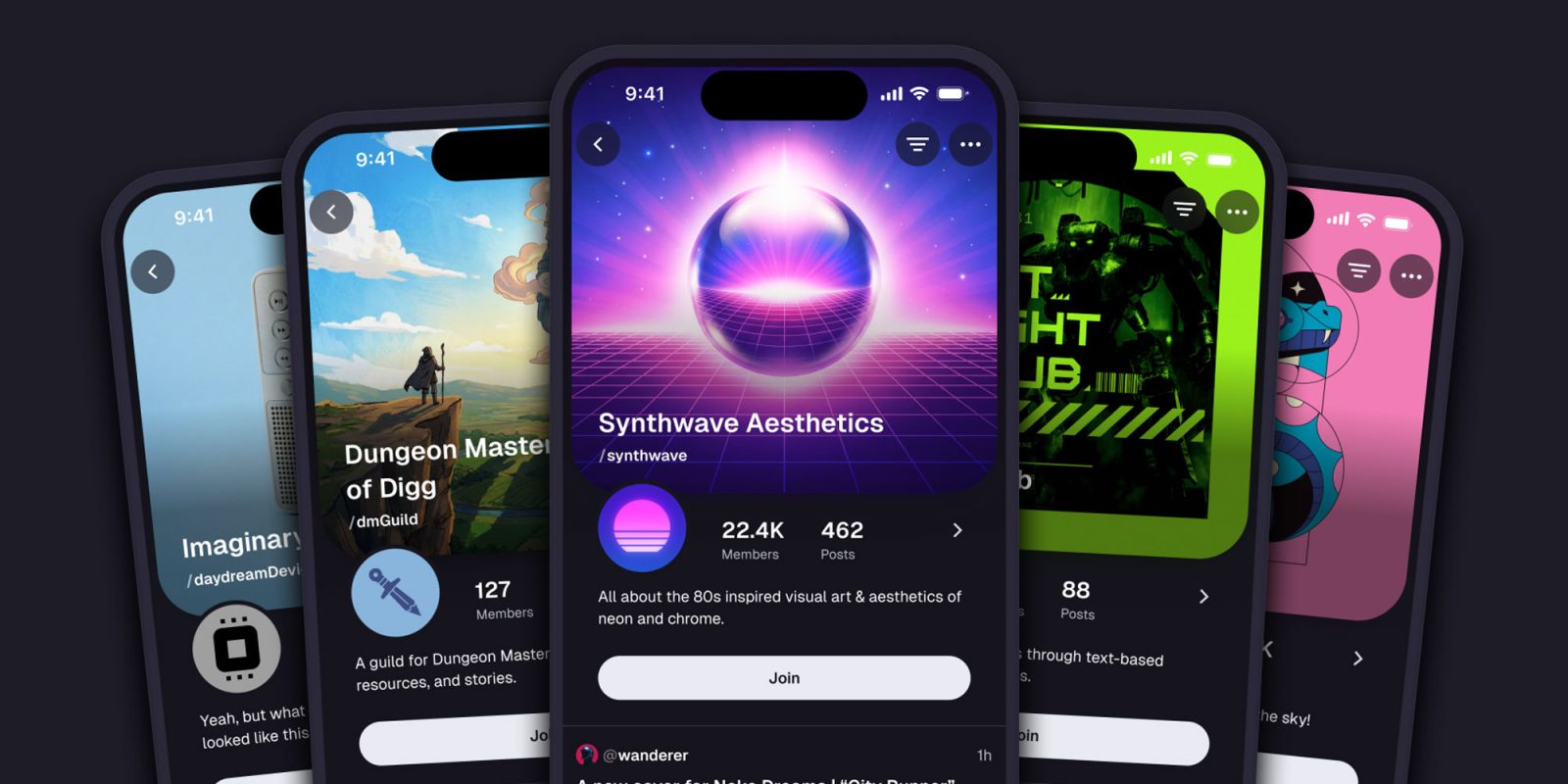
In March 2025, Kevin Rose, in collaboration with Reddit co-founder Alexis Ohanian, reacquired Digg with the vision of revitalizing the platform. Their ambitious plan aimed to create a community-driven space that prioritized trust, transparency, and authenticity. The relaunch was marked by a closed beta phase, during which the team focused on developing robust mechanisms to combat spam and ensure genuine user engagement.
By January 2026, Digg transitioned to a public beta, introducing features designed to foster a healthier online discourse. These included:
– Trust Signals: Implementing indicators to assess the credibility of user interactions and content.
– Transparent Moderation: Ensuring that moderation decisions were open and understandable to the community.
– AI-Driven Spam Defense: Utilizing artificial intelligence to detect and mitigate spam and inauthentic behavior.
The goal was to create a platform where users could engage in meaningful discussions without the interference of malicious actors.
The Unforeseen Challenge
Despite these proactive measures, Digg faced an overwhelming influx of sophisticated AI-driven bots almost immediately after its public beta launch. These bots were not only numerous but also highly advanced, capable of mimicking human behavior to an alarming degree. They engaged in activities such as:
– SEO Manipulation: Posting content designed to exploit Digg’s link authority for search engine optimization purposes.
– Artificial Engagement: Generating fake votes and comments to manipulate content visibility and credibility.
– Community Disruption: Flooding discussions with irrelevant or harmful content, undermining genuine user interactions.
The scale and sophistication of these attacks were unprecedented. As Digg’s CEO, Justin Mezzell, noted, We knew bots were part of the landscape, but we didn’t appreciate the scale, sophistication, or speed at which they’d find us.
The Decision to Shut Down
Faced with an insurmountable bot problem that compromised the platform’s integrity, the Digg team made the difficult decision to take the site offline. In a candid letter to users, Mezzell explained:
When you can’t trust that the votes, the comments, and the engagement you’re seeing are real, you’ve lost the foundation a community platform is built on.
This statement highlights the critical importance of trust in online communities. Without it, user engagement becomes meaningless, and the platform’s purpose is undermined.
Looking Ahead: A Commitment to Rebuild
Despite this setback, the Digg team remains committed to their vision. Plans are underway for a comprehensive overhaul of the platform, with a focus on developing more effective strategies to combat inauthentic behavior. Notably, Kevin Rose will be joining the team full-time to spearhead this initiative. The team acknowledges that simply positioning Digg as an alternative to existing platforms is insufficient. Instead, they aim to create a genuinely different and innovative space for online community engagement.
The Broader Implications
Digg’s experience serves as a stark reminder of the pervasive challenges posed by automated bots and inauthentic activities across the internet. Other platforms have faced similar issues:
– Twitter’s API Changes: In April 2023, Twitter shut down its free API, affecting numerous apps and websites that relied on it. This move was partly in response to the misuse of the API by bots and spam accounts.
– Spotify’s Live Audio App Shutdown: In April 2023, Spotify discontinued its live audio app, Spotify Live, due to declining user interest and challenges in maintaining authentic user engagement.
– Quibi’s Short-Lived Service: The short-form video streaming service Quibi shut down in October 2020, just six months after its launch, highlighting the difficulties new platforms face in sustaining user interest and combating content saturation.
These examples illustrate the broader industry struggle to maintain authentic user engagement in the face of sophisticated automated threats.
Conclusion
Digg’s rapid shutdown after its relaunch is a cautionary tale for all digital platforms. It underscores the necessity of robust, adaptive strategies to combat inauthentic behavior and the importance of building and maintaining user trust. As Digg prepares for its next chapter, the lessons learned from this experience will undoubtedly inform a more resilient and innovative approach to online community building.