Enterprises have long relied on traditional software inventories to track what’s installed across their networks. But in today’s world of AI assistants, local model runtimes, and embedded tools, much of what employees use goes entirely under the radar. Bitdefender’s new AI Visibility and Control (AIVC), part of the GravityZone suite, is designed to shine a light on these hidden AI presences and manage the associated risks.
What’s Unseen by Traditional Tools
Many AI-driven tools evade detection by classic inventory systems. Examples include browser-based chat assistants, editor extensions with AI capabilities, model runtimes running locally, and Model Context Protocol (MCP) servers. These tools don’t show up in standard application lists, and often they operate without generating network traffic strong enough to trigger alerts. AIVC can discover all of these, giving organizations a clearer view of what’s really running. It highlights four categories of exposure: AI accessed through the browser, AI inside development environments, local AI runtimes, and AI tools with access to external systems (database, APIs, repo access, etc.).
How AIVC Detects and Prioritizes Risk
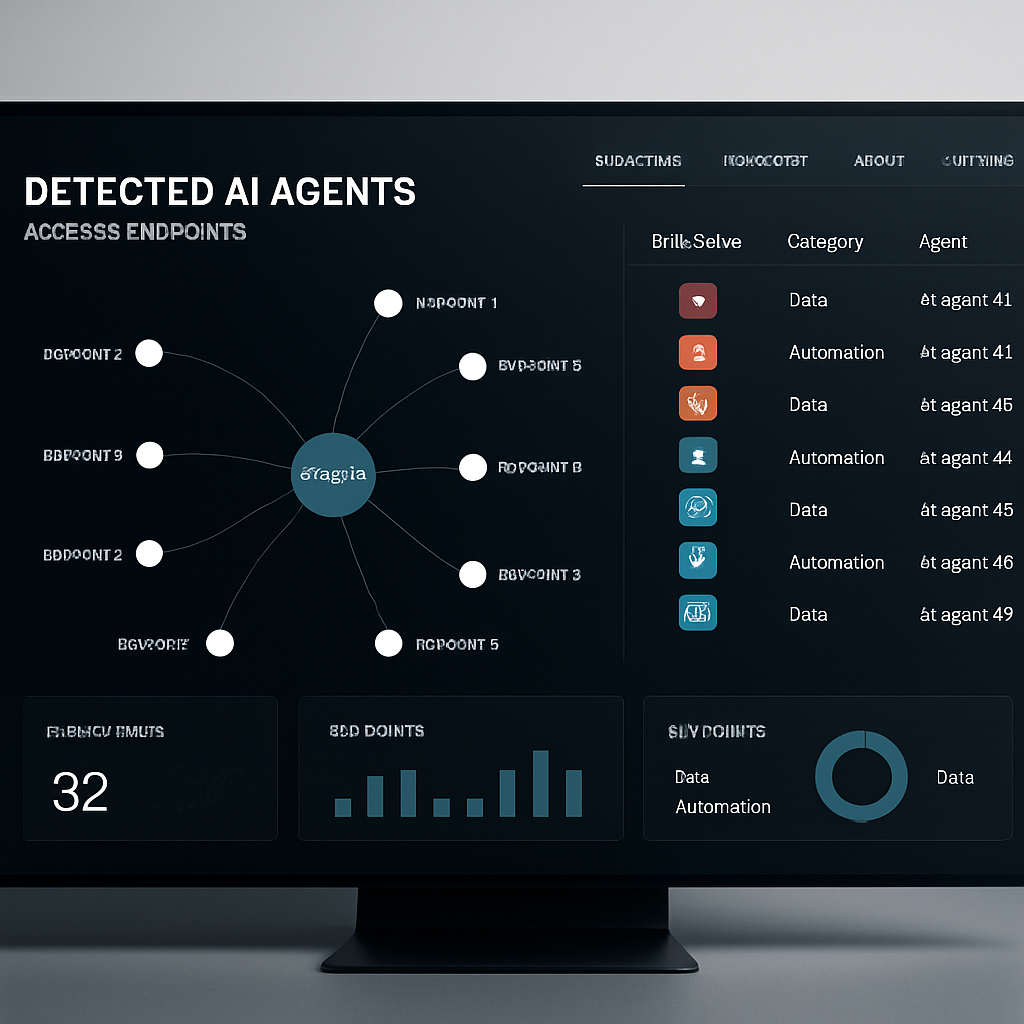
The heart of AIVC is its discovery and risk scan capabilities. Bitdefender’s GravityZone BEST agent runs these scans, gathering metadata—without inspecting model weights, user prompts, or private file content—to detect which AI software is present and how it’s configured. The system recognizes over 50 known AI agents and upwards of 70,000 skills—modular extensions that expand what agents can do. Each AI instance is assigned to one of 17 functional categories (like coding tools, productivity, LLMs) to help tailor assessment and response.
AIVC offers two main dashboard views to help security teams manage findings. “AI Services” is the full inventory view, listing every AI tool found with risk scores, categories, and which endpoints are impacted. “AI Findings” distills that into what needs attention right away, ranking issues based on risk and providing guidance for mitigation.
Enforcement Still Up to You
AIVC doesn’t automatically enforce policies—blocking or removing unauthorized tools is left to existing controls within GravityZone. Once an AI service is discovered, teams can block it via Web Content Filtering; define custom detection rules to kill processes or monitor usage; or apply PHASR policies, which distinguish between agent behavior and user behavior to impose restrictions appropriately. Enabling AIVC simply involves updating policy settings—no added rollout needed, and it starts working with the next risk scan.
In sum, AIVC fills a blind spot in enterprise security. It doesn’t care what AI tools people are using—it only cares what’s running, where, and how risky their configuration is. The system gives organizations the ability to see AI agents, their skills, exposure to internal systems—all without peeking into private data or usage. It complements existing security controls, converting guesswork about shadow AI into actionable insights.
Why this matters: as AI adoption accelerates, shadow AI—tools that evade visibility—becomes a major risk. Weakly configured editor extensions touching source code, a developer connecting an assistant to internal ticketing systems, or a local large model that accesses sensitive files are all plausible vectors for data leaks or supply-chain compromises. With tools like AIVC, security teams finally get a structured path toward managing AI risk, rather than responding only after damage is done. What to watch next: how organizations integrate AIVC into broader compliance frameworks, how well its risk scoring aligns with real incidents, and whether shadow AI becomes a domain where proactive inventory beats reactive incident response.