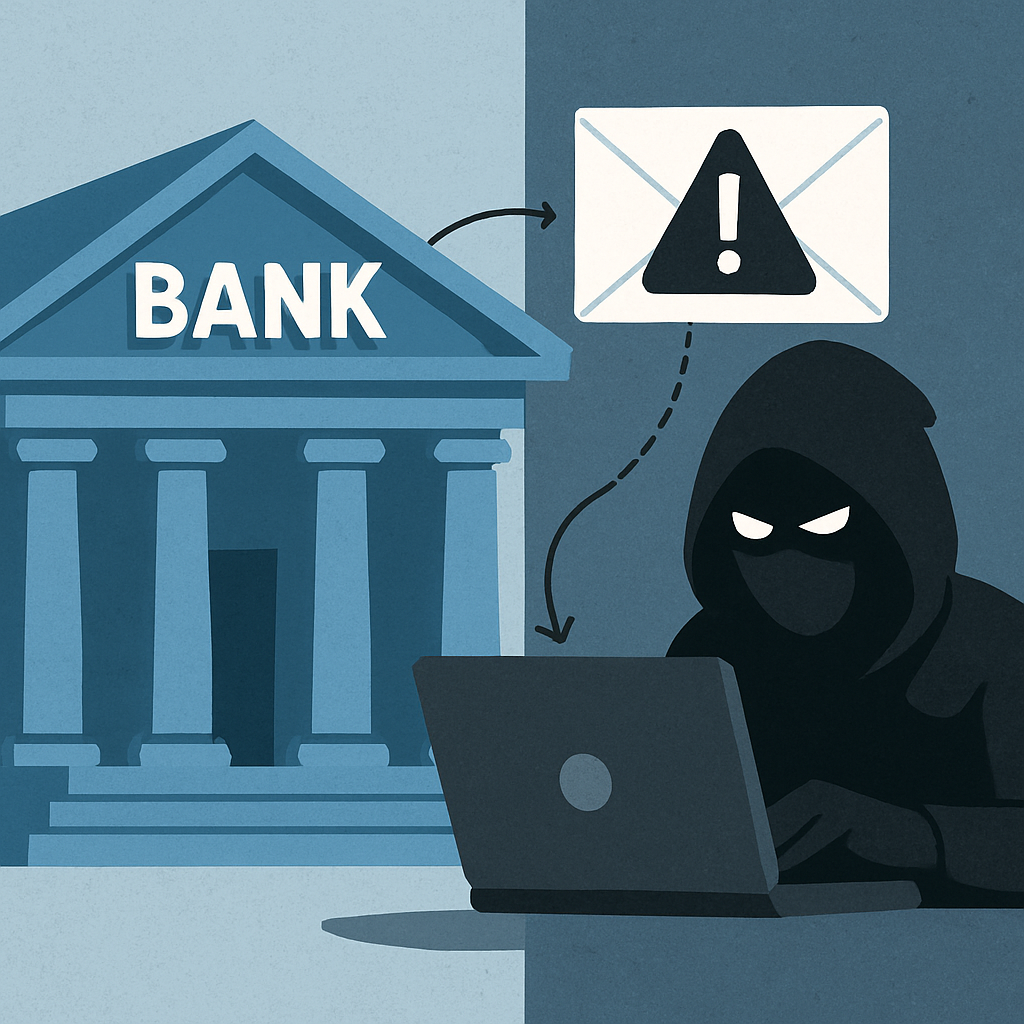
Bank of Baroda, one of India’s leading public sector banks, has recently disclosed a cybersecurity incident involving unauthorized access to an employee’s email account. This breach has raised significant concerns regarding the security of internal communications and the potential exposure of sensitive information.
The bank detected the unauthorized access following observations of unusual activity within the compromised employee’s mailbox. It is believed that attackers obtained the account credentials, granting them access to emails, attachments, and internal correspondences associated with that user.
Upon discovering the breach, Bank of Baroda promptly initiated an investigation and implemented measures to contain the unauthorized access. The bank is currently reviewing affected systems, analyzing mailbox logs, and assessing whether any data was viewed, copied, or exfiltrated by the attackers.
Implications of Email Compromise in Banking
Email account compromises are a prevalent entry point for cybercriminals targeting large organizations. Attackers often employ phishing emails, utilize stolen passwords, conduct credential-stuffing attacks, or deploy malware to infiltrate corporate mailboxes. Once inside, they can impersonate employees, search for sensitive documents, identify business partners, and launch further attacks against internal networks.
In the banking sector, a compromised email account poses severe risks. Internal mailboxes may contain customer communications, loan-related documents, transaction references, employee records, operational details, and vendor information. Even without direct access to core banking systems, this information can facilitate fraud, social engineering attacks, or targeted phishing campaigns.
Bank of Baroda’s Response and Recommendations
Bank of Baroda has not publicly disclosed the specific method used to compromise the employee’s email account. It remains unclear whether customer data, financial records, or banking systems were affected. The scope of the incident depends on the level of access held by the compromised employee and the amount of information stored in the mailbox.
This incident underscores the critical importance of implementing multi-factor authentication (MFA) for all employee accounts, especially for staff handling sensitive customer, financial, and administrative information. MFA can significantly reduce the risk of account takeover, even if a password is stolen through phishing or exposed in a previous data breach.
Organizations should also monitor email login activity for unusual locations, unfamiliar devices, impossible travel patterns, and abnormal forwarding rules. Attackers often create hidden mailbox rules to silently forward emails to external addresses, allowing them to maintain access and collect information without immediate detection.
Financial institutions are high-value targets for cybercriminals due to the volume of personal, transaction, and financial data they manage. A single compromised employee account can provide attackers with valuable intelligence that helps them expand their access or deceive customers and staff.
Bank of Baroda’s ongoing investigation aims to clarify the full impact of the breach, including whether data was accessed or removed. Customers are advised to remain vigilant for suspicious emails, fake banking messages, and unsolicited requests for credentials, one-time passwords (OTPs), or account details that may attempt to exploit this incident.
In light of this breach, it is imperative for financial institutions to reassess their cybersecurity protocols, emphasizing the need for robust email security measures and employee training to prevent similar incidents in the future.