Security researchers have confirmed that autonomous AI attackers uncovered a previously unknown vulnerability in an open-source medical imaging app in just 11 minutes—then escalated access to full administrator control over its server in a later phase.
What Happened
The intrusion campaign ran for about 48 hours beginning on September 8, 2026. It specifically targeted IP addresses tied to universities in East Asia (excluding mainland China). Automatically operating AI agents were programmed with the goal of achieving remote command-line access—but made their own decisions about steps to take on each target. Some operations succeeded quickly, while others failed despite persistent attempts over hours. In one failed case, an agent spent roughly 16 hours taking 148 actions against a system with an unsecured Redis database. In another, over six hours passed and more than 30,000 credential guesses failed to gain any access.
AWS spotted the activity on September 10 after discovering a deployment of an AI-security testing framework called Cairn exposed to the internet without authentication. This misconfiguration allowed the attacker to review both prompts and settings used by the agents, as well as their outputs. The exposed server revealed enough detail to let them trace the attacker’s steps—including a payload that later enabled root-level remote command execution.
The Zero-Day & What Came Next
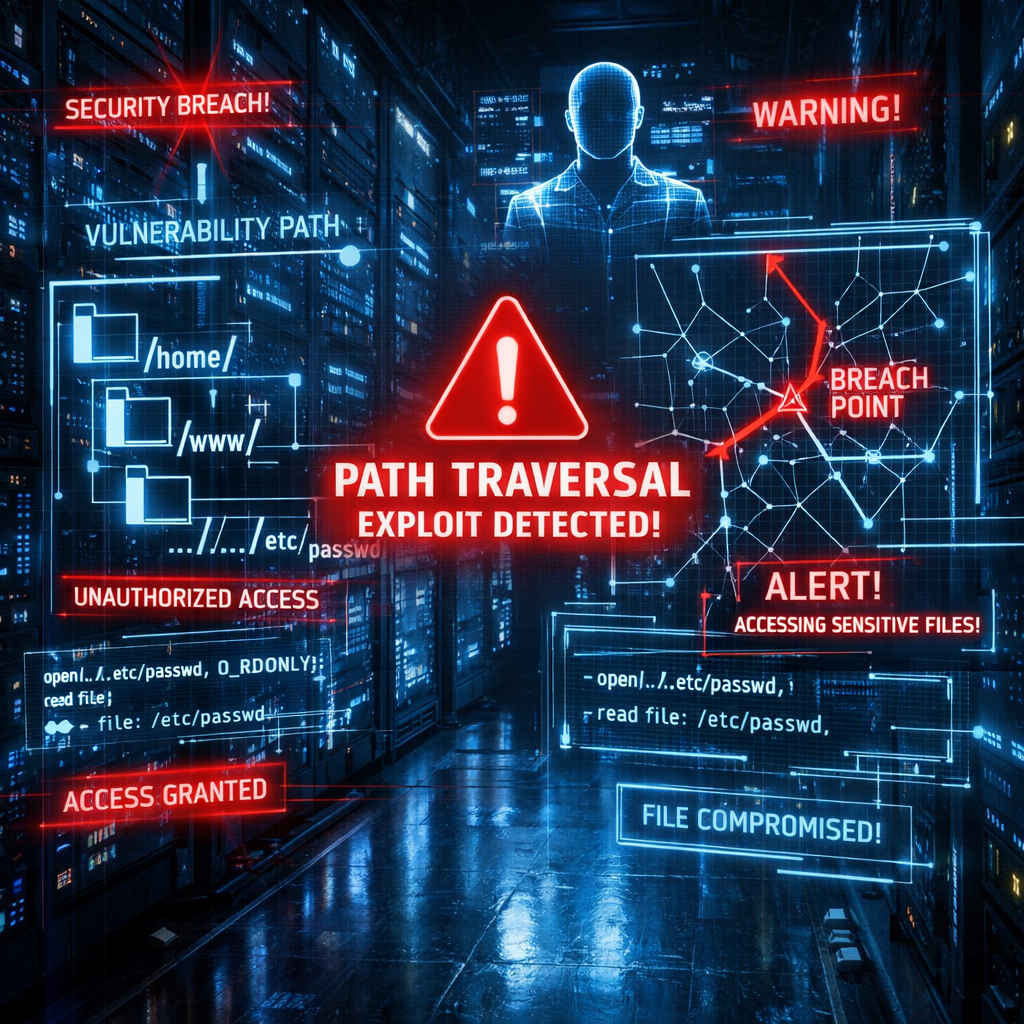
The flaw exploited was a path-traversal vulnerability in the app’s file upload functionality. It allowed writes to directories outside the intended path—a classic vector often used for privilege escalation. AWS assessed with high confidence that this was a zero-day flaw: no patches or advisories existed beforehand in any known vulnerability repositories.
Using this vulnerability, attackers achieved command execution at root privileges during a subsequent session. That means total server compromise. While the zero-day and root access marked the high-severity breach, not all cases led to a complete takeover. Some systems resisted that further phase. AWS also refrained from naming the specific app or the universities involved, citing confidentiality. Once alerted, maintainers of the software released a security fix and a public advisory. External partners notified affected institutions outside AWS’s own customer base.
Implications for Defenders
This case underlines how fast autonomous AI agents can move—from reconnaissance to intrusion—and why traditional detection and response workflows may struggle. Because the initial discovery happened in minutes, containment and prevention must be as automated and reliable as possible. For teams running AI security tools, one major lesson is to scan for exposed interfaces: the audit panel for Cairn was left unsecured, giving full visibility into the agents’ operations and making this breach much easier to reconstruct.
AWS’s investigation suggests the campaign may have a Chinese origin, citing Simplified Chinese used in prompts, timestamps aligned with China Standard Time, and the selection of academic targets. But no definitive attribution has been made. Indicators of compromise include two IPv4 addresses observed between September 8-10, 2026.
Suggestion: use high-confidence detections to trigger automatic responses—but ensure human review of outcomes. Regularly verify there are no unsecured AI-testing UIs on your network. That may help spot similar threats early.
Estimated time to discovery: 11 minutes. Time to full server control: somewhat longer. With AI systematically probing for zero-days, defenders are working against shrinking windows across the board.
Why It Matters: Hackers leveraging autonomous AI agents represent a paradigm shift. The ability to discover undocumented vulnerabilities and escalate to full control, with minimal human oversight, accelerates the threat timeline dramatically. Defenders and software maintainers must now assume such threats aren’t hypothetical—they’re already unfolding.