Audible is rolling out three new features aimed at reshaping how listeners engage with audiobooks, leaning heavily into AI and enhanced immersion. The additions are designed to help users explore story settings, follow along with characters in real time, and even carry on conversations with characters—all in support of Audible’s broader push to deepen listener experience amid rising competition.
What’s new?
The first feature, available now in a single title, is the “book world” mode. In “The Cultural Tutor: A Modern Guide to History, Art, and Philosophy in 49 Short Chapters,” bonus materials such as images, background on places, artworks, and architecture tied to the content are provided to listeners as they move through the audiobook. This aims to enrich the educational and narrative value of nonfiction stories.
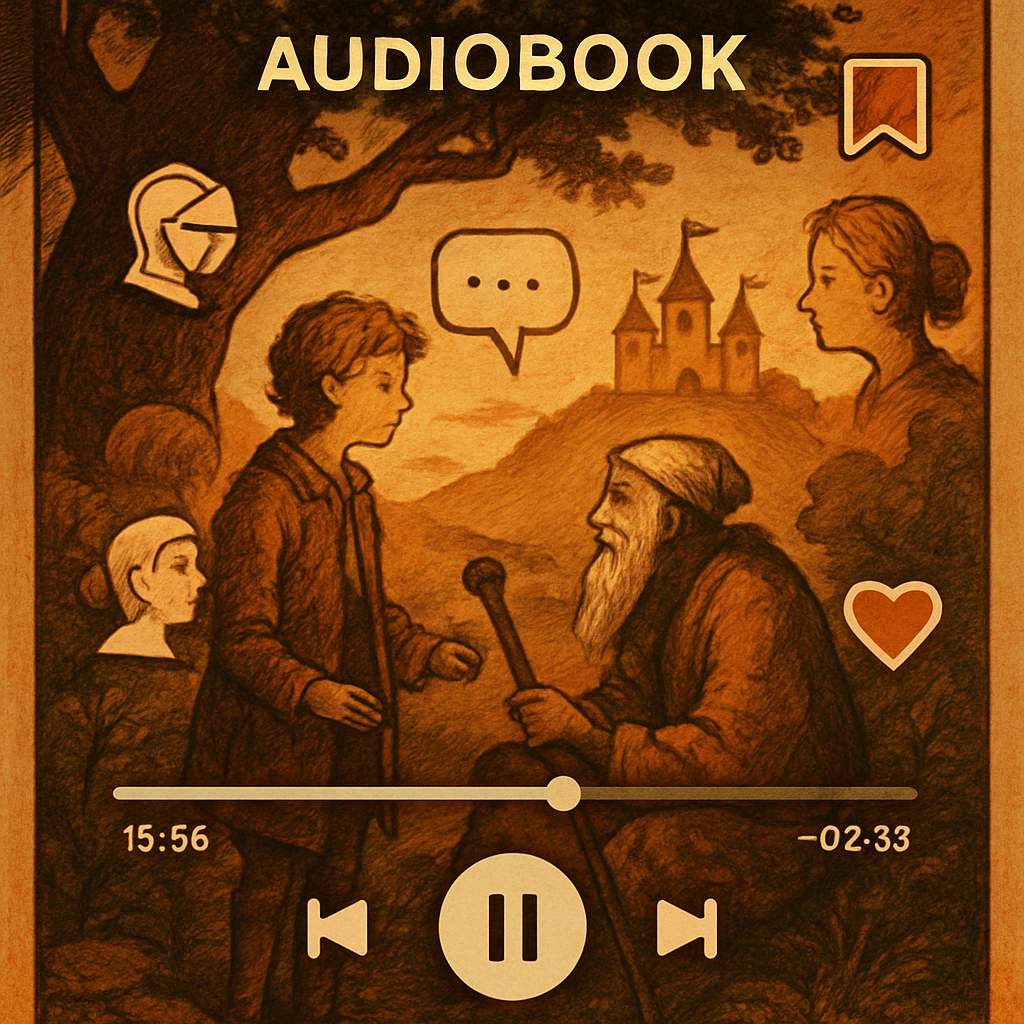
The second addition is a character guide, debuting with the studio-produced version of “Dracula.” When listening, users will see which character is speaking at any given moment displayed in the player. There are also spoiler-free character bios including voice details. Other titles adopting this guide include the Audible Originals of “1984” by George Orwell and the upcoming sci-fi work “Exoplanet” from Benjamin Percy, executive produced by Andy Weir.
Finally, the interactive stories feature lets listeners go beyond passive listening. Powered by generative AI, this lets someone converse with a character—in this case Renfield from “Dracula”—who will initiate the interaction, assign the listener a role and react dynamically to responses. The company notes creators help guide these interactions to stay true to the tone, setting, and story canon of each work.
Why this matters
These updates come amid strong growth in audiobook revenue and audience size in the U.S.—sales hit $2.43 billion in 2025. Part of the surge is attributed to mobile adoption and busy lifestyles, which have made audio formats more appealing. Another factor: the influence of “BookTok,” where fiction genres such as romance, fantasy (including romantasy), thrillers, and sci-fi are particularly popular.
For Audible, the changes are a bet on turning listening into a more interactive, multimedia-rich experience. Instead of competing just on content volume, it’s leveraging AI and enhanced contextual features to pull users deeper into stories. Within Audible Original productions, these tools might become a selling point to differentiate from other audio marketplaces or streaming platforms.
What to watch: how smoothly these features scale to more titles, how richly situational content enhances the experience rather than distracting, and whether AI-powered interaction feels meaningful rather than gimmicky. If done well, this could redefine audiobooks not just as narrated stories, but interactive storytelling platforms chronicling character, setting, and narrative as live experiences.