A new startup named Atomic—founded by ex-Tesla supply chain veterans—just secured $12.5 million in Series A funding to bring more automation and AI into operations. The Boston-based company, which emerged from stealth last year, is building tools to move companies beyond spreadsheets toward systems that can not only recommend decisions, but actually make them. This marks a turning point in how supply chain management works.
From Tesla roots to real-world impact
Atomic traces its origins to work done by its founders during the 2018 Model 3 production ramp at Tesla, when manual planning systems failed to keep up with rapid changes. Using that experience, the co-founders developed a system that simulates different supply chain scenarios, determines how much inventory is needed and where, and then proposes—or executes—the optimal response. What was once a prototype is now being used by large customers like DoorDash and HelloFresh. In under a year, Atomic’s annual recurring revenue has grown five-fold. Before this funding round, the company had raised enough to push its total financing just above $15 million.
How the tech works, who’s backing it
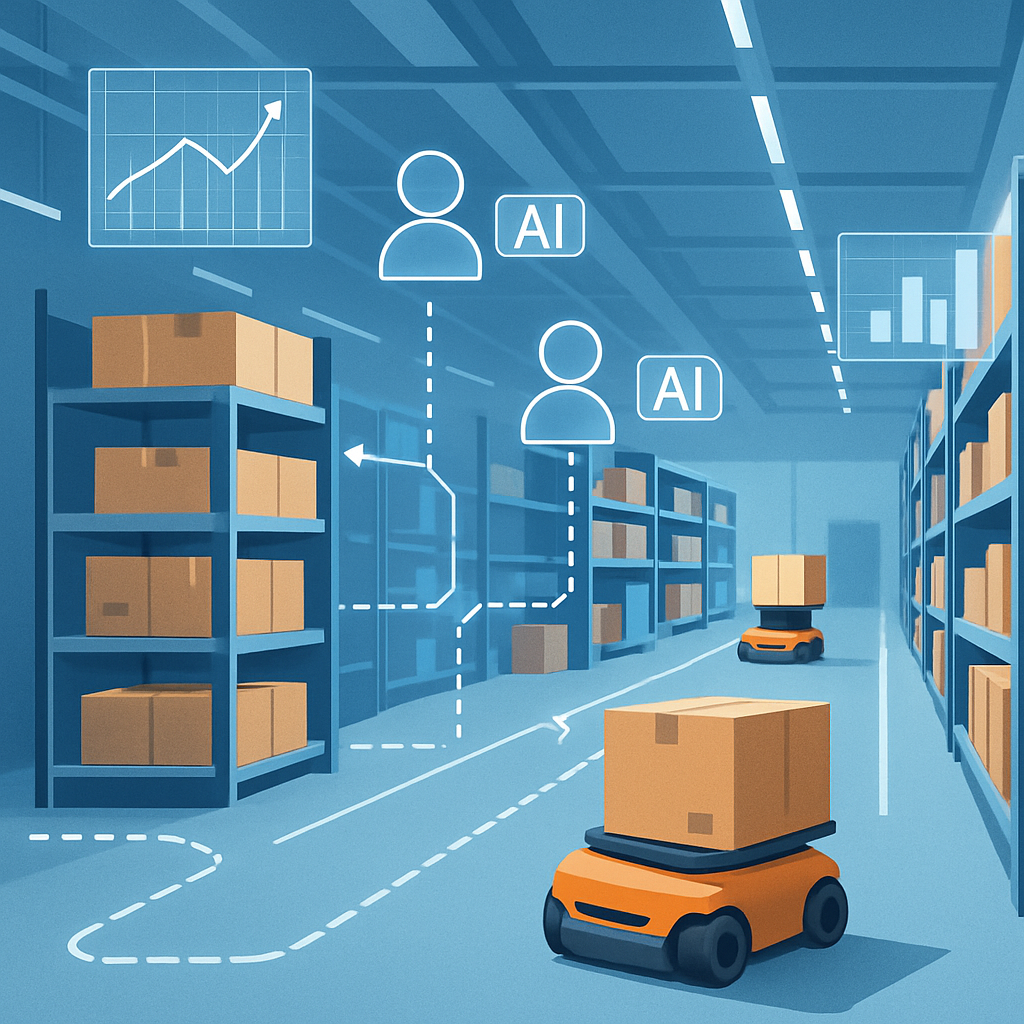
At its core, Atomic employs AI agents that move past simple recommendations. These systems learn decision rules intrinsic to a company’s operations—even ones not documented anywhere—so they can automate choices. For example, DoorDash uses Atomic for nearly 90% of its purchasing across hundreds of sites. For companies in sensitive sectors like food delivery, the tech helps reduce waste and spoilage. Atomic is also expanding into consumer packaged goods, manufacturing, and mobility, adapting to the specific challenges each vertical presents.
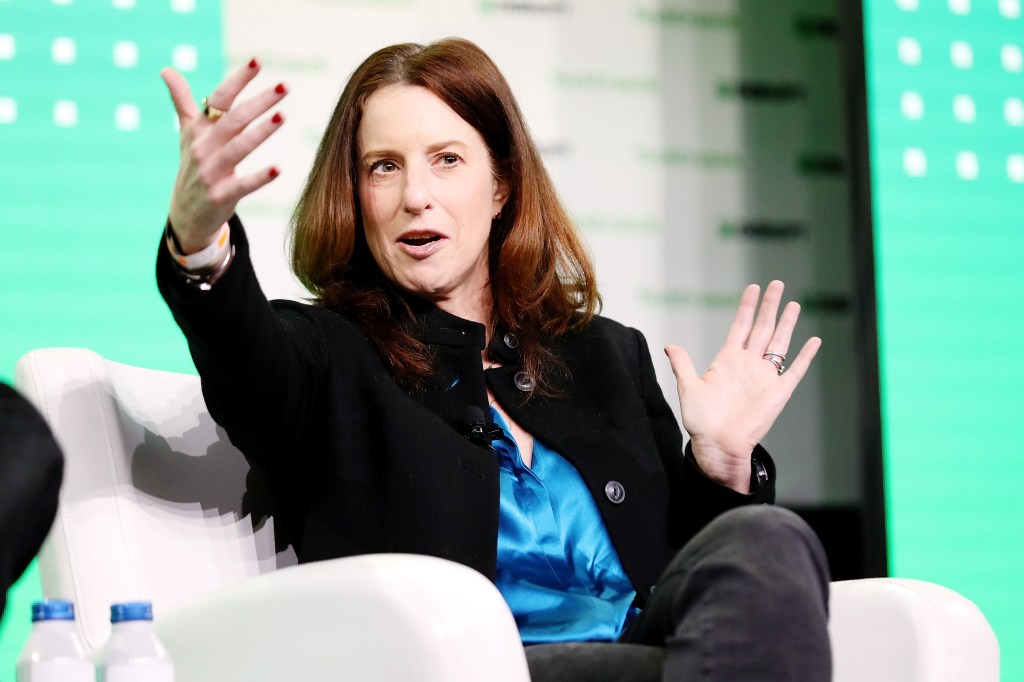
The Series A round was led by Klass Capital and Madrona Venture Group. Joining the founding team as CTO is Jeff Goodrich, formerly a senior planning director at Tesla, now Atomic’s third co-founder. The team is focused on reducing onboarding time, refining the AI so customers can begin using full decision automation without long ramp-up periods.
Atomic’s co-founders argue that the speed of decision-making is often a company’s hidden competitive advantage. They frame their startup as shifting supply chain management from slow, spreadsheet-bound practices toward fast, autonomous systems, something which was a core value at their former employer. While finance and executive buying tends to favor quantified financial data, operations often lags behind—Atomic wants to bring operations into the same level of strategic priority.
Why it matters: supply chains are among the most complex and costly functions within large organizations, with thousands of moving parts, fluctuating demand, and high inventory costs. Automating them could unlock savings, efficiency, and resilience—especially in food, manufacturing, and retail.
What to watch: whether Atomic can maintain accuracy and reliability across diverse industries, manage risks when automating decisions, and gain deeper integration with legacy systems. If it succeeds, this could reshape how much human decision-making remains in supply chain operations, and which companies lead the next wave of smart automation.