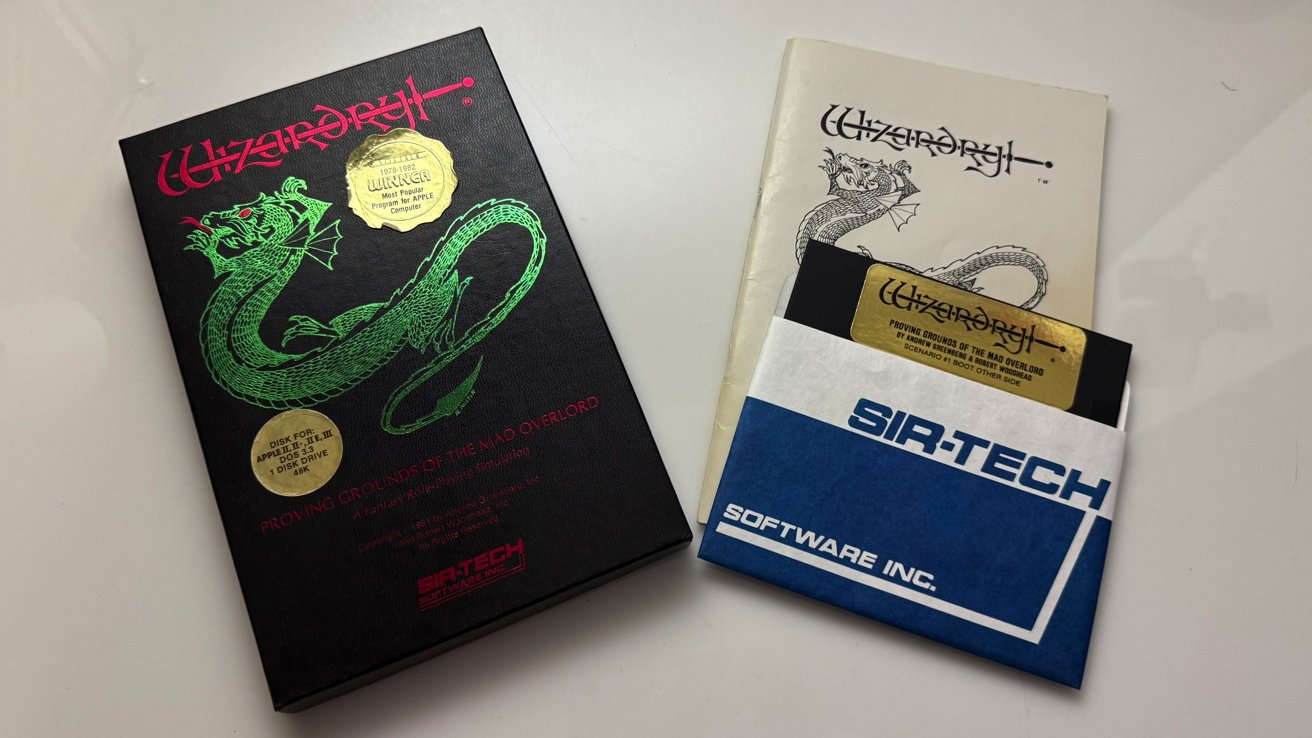
Atari Revives ‘Wizardry’ Franchise with Acquisition of Early Titles
In a significant move for the gaming industry, Atari has acquired the exclusive rights to the first five titles of the seminal ‘Wizardry’ role-playing game (RPG) series. This acquisition encompasses ‘Wizardry: Proving Grounds of the Mad Overlord’ (1981), ‘Wizardry II: The Knight of Diamonds’ (1982), ‘Wizardry III: Legacy of Llylgamyn’ (1983), ‘Wizardry IV: The Return of Werdna’ (1987), and ‘Wizardry V: Heart of the Maelstrom’ (1988). These games are collectively known as the ‘Original Wizardry’ or ‘The Llylgamyn Saga’ and are credited with laying the foundation for the Japanese RPG genre.
The acquisition also includes various Wizardry-related video games, contract rights, and other associated intellectual property. Atari’s plans for the franchise are ambitious, aiming to reintroduce these classic titles through expanded digital and physical distribution channels. The company intends to develop remasters, compilations, and new releases to bring these games to contemporary audiences.
Beyond game publishing, Atari envisions a broader entertainment franchise based on the original Wizardry universe. This includes ventures into merchandise, card and board games, books, comics, and potential television and film projects. This multifaceted approach aims to revitalize the Wizardry brand and introduce it to a new generation of fans.
Robert Woodhead, co-creator of the Wizardry series, expressed his enthusiasm for the acquisition. He noted that when he and Andrew Greenberg developed Wizardry in the 1980s, the video game industry was still in its infancy. The original games were among the first to bring the role-playing experience to PCs and consoles. Woodhead is keen to see how modern gamers will respond to these classic challenges as Atari reintroduces the games on new platforms.
Atari’s CEO and Chairman, Wade Rosen, highlighted the significance of the Wizardry franchise. He pointed out that many of these influential RPG titles have been unavailable for over two decades. Rosen expressed excitement about the opportunity to republish, remaster, and bring console ports and physical releases of these early games to market.
This acquisition follows Atari’s previous involvement with the Wizardry series. In 2024, Atari-owned studio Digital Eclipse released a remake of ‘Wizardry: Proving Grounds of the Mad Overlord.’ At that time, the remake was licensed by Drecom, a Japanese company that had acquired the Wizardry intellectual property in 2020. Drecom will retain ownership of ‘Wizardry VI: Bane of the Cosmic Forge,’ ‘Wizardry VII: Crusaders of the Dark Savant,’ and ‘Wizardry 8,’ which are based on a different fictional universe.
The Wizardry series has a storied history, with its origins dating back to the early 1980s. The first game, ‘Wizardry: Proving Grounds of the Mad Overlord,’ was released in 1981 and is often regarded as one of the first graphical role-playing games. Its success led to a series of sequels that expanded the game’s universe and mechanics. The series is known for its challenging gameplay, intricate dungeons, and deep character customization, elements that have influenced numerous RPGs that followed.
Atari’s acquisition of these titles signifies a commitment to preserving and revitalizing classic games. By bringing the original Wizardry games to modern platforms, Atari aims to honor the legacy of these pioneering RPGs while introducing them to new audiences. The planned remasters and new releases are expected to retain the core elements that made the originals beloved by fans, while updating them to meet contemporary gaming standards.
The broader entertainment initiatives, including merchandise and potential media adaptations, suggest that Atari sees the Wizardry franchise as more than just a series of games. By expanding into various forms of media, Atari aims to create a comprehensive Wizardry universe that can engage fans across different platforms and formats.
This strategic move by Atari reflects a growing trend in the gaming industry to revisit and rejuvenate classic franchises. By leveraging the nostalgia associated with these titles and introducing them to new generations, companies can tap into both existing fan bases and new markets. For Atari, a company with its own rich history in the gaming industry, the acquisition of the Wizardry franchise aligns with its efforts to reestablish itself as a significant player in the market.
As development progresses, fans of the original Wizardry games and newcomers alike can look forward to experiencing these classic RPGs in new and exciting ways. Whether through remastered versions that stay true to the originals or entirely new entries that expand the universe, the future of the Wizardry franchise under Atari’s stewardship appears promising.