Asin Spyware Targets Arabic-Speaking Users Through Deceptive Apps
A sophisticated Android spyware campaign, dubbed Asin, has been identified targeting Arabic-speaking users through malicious applications disguised as legitimate tools. Cybersecurity firm ESET first detected this campaign in early 2025, noting its use of various deceptive websites to distribute the malware.
Deceptive Distribution Channels
The Asin spyware is disseminated via multiple websites that impersonate credible services:
– govlens[.]net: Mimics a government news portal, registered on May 27, 2025.
– pdf-reader[.]help: Poses as a secure PDF editor, registered on May 29, 2025.
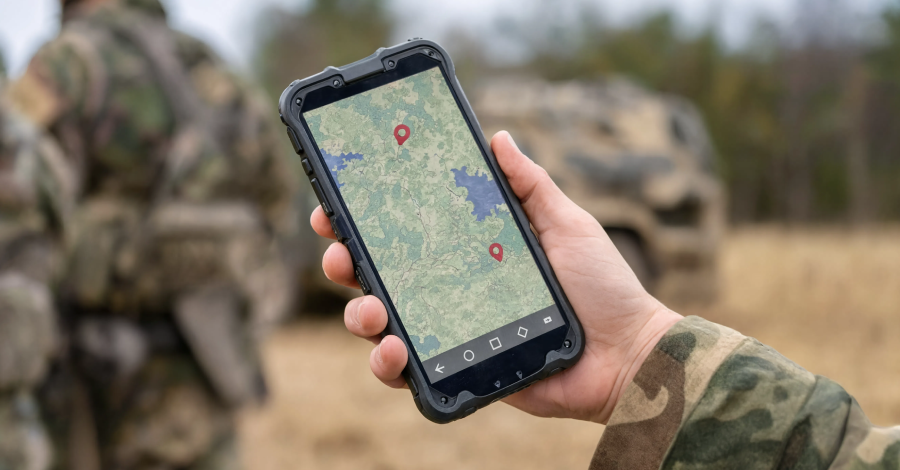
– live-war-map[.]com: Claims to provide real-time military incident updates, registered on January 20, 2025.
To enhance credibility and reach, the operators have promoted these sites through dedicated social media accounts:
– Facebook: www.facebook[.]com/GovLens
– Telegram: t[.]me/liveuamap_ar
Notably, the Telegram channel’s name appears to be inspired by Live Universal Awareness Map, a legitimate platform that maps global conflicts and geopolitical events.
Malware Functionality and Impact
Each of these deceptive websites offers applications that combine genuine functionalities with covert spyware capabilities. Once installed, these apps request permissions that, if granted, allow the malware to:
– Access and exfiltrate personal data, including contacts, messages, and call logs.
– Monitor user activities and device location.
– Potentially activate the device’s microphone and camera without user consent.
ESET’s analysis uncovered multiple instances of the Asin malware:
– An APK uploaded to VirusTotal from Türkiye in October 2025.
– A sample downloaded from c-pdf[.]net in December 2025 on a Xiaomi Redmi Note 13 Pro running Android 15.
– An app named Syria Defense Map detected on a Xiaomi Redmi Note 13 Pro+ 5G in mid-January 2026, downloaded from syriadefensemap[.]com.
In each case, users were required to manually install the app and grant permissions, facilitating the spyware’s operations.
Potential Targets and Objectives
While the exact objectives of the Asin campaign remain unclear, the nature of the lures suggests a focus on individuals interested in open-source intelligence (OSINT) and current events. ESET posits that Arabic-speaking journalists and OSINT researchers may be primary targets, given the themes of the deceptive apps:
– GovLens: Appeals to those seeking government news.
– WarMap and Syria Defense Map: Attract users interested in military developments and conflict zones.
This targeting aligns with previous campaigns where threat actors have exploited current events and information-seeking behaviors to distribute malware.
Broader Context of Mobile Spyware Threats
The Asin campaign is part of a broader trend of sophisticated spyware targeting mobile users, particularly in regions of geopolitical interest. Similar campaigns include:
– Arid Viper’s Mobile Espionage: Utilized trojanized Android apps to deliver AridSpy malware, targeting users through fake messaging and job opportunity apps. ([thehackernews.com](https://thehackernews.com/2024/06/arid-viper-launches-mobile-espionage.html?utm_source=openai))
– Kamran Spyware: Targeted Urdu-speaking users in Gilgit-Baltistan via a compromised regional news website, leading to the installation of espionage-capable apps. ([thehackernews.com](https://thehackernews.com/2023/11/stealthy-kamran-spyware-targeting-urdu.html?m=0&utm_source=openai))
– ClayRat Malware: Distributed through fake versions of popular apps like WhatsApp and TikTok, this spyware exfiltrated sensitive data and propagated itself by sending malicious links to contacts. ([thehackernews.com](https://thehackernews.com/2025/10/new-clayrat-spyware-targets-android.html?m=0&utm_source=openai))
These incidents underscore the evolving tactics of cyber adversaries who exploit trusted platforms and current events to infiltrate devices and gather intelligence.
Protective Measures for Users
To mitigate the risk of spyware infections, users should adopt the following practices:
1. Download Apps from Official Sources: Always obtain applications from reputable app stores like Google Play or the Apple App Store.
2. Verify App Authenticity: Scrutinize app reviews, developer information, and permissions requested before installation.
3. Be Cautious with Permissions: Grant only necessary permissions to apps and be wary of those requesting excessive access.
4. Stay Informed: Keep abreast of cybersecurity news to recognize emerging threats and deceptive tactics.
5. Use Security Solutions: Employ reputable mobile security software to detect and prevent malware infections.
By remaining vigilant and adopting these practices, users can significantly reduce their vulnerability to spyware campaigns like Asin.