Apple’s Zero-Touch Enrollment: A Game-Changer in Combating Corporate Device Theft
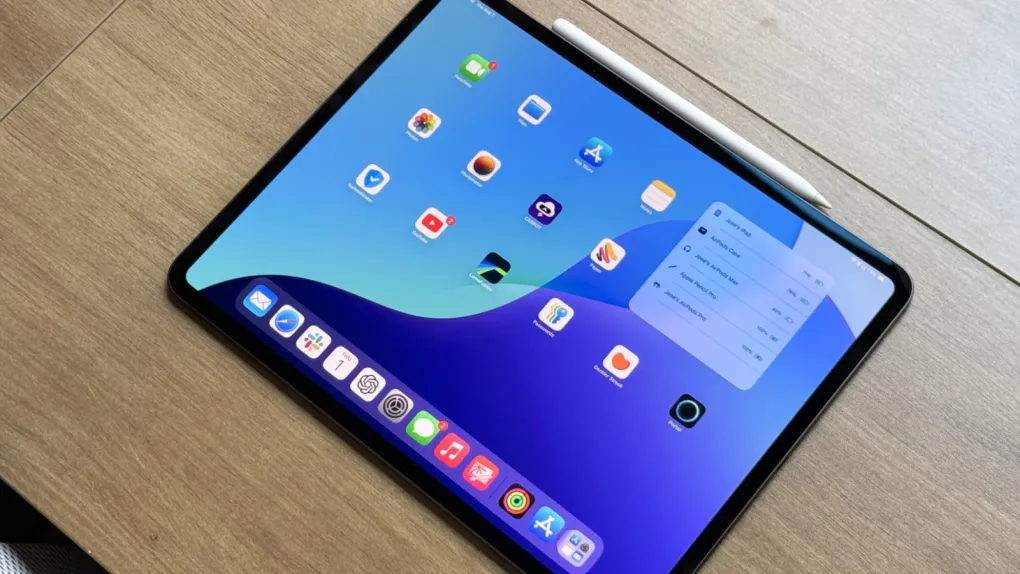
In the past, the theft of corporate devices like iPads and MacBooks posed significant challenges for IT departments. Beyond the immediate loss of hardware, there was the looming threat of sensitive data breaches. Thieves could easily wipe these devices, reinstall the operating system, and sell them as if they were brand new. However, with the advent of Apple’s Zero-Touch Enrollment, the landscape of device security has undergone a transformative shift.
The Evolution of Device Theft
Historically, stolen corporate devices were a lucrative target for thieves. By simply booting to a recovery drive or using a USB installer, they could format the device, erasing all traces of the original owner. This process rendered the device a blank slate, ready for resale on platforms like Facebook Marketplace or at pawn shops. IT teams attempted to counteract this by implementing firmware passwords, but managing these at scale proved cumbersome. Consequently, once a device was stolen, it was often considered a total loss.
The Advent of Automated Device Enrollment
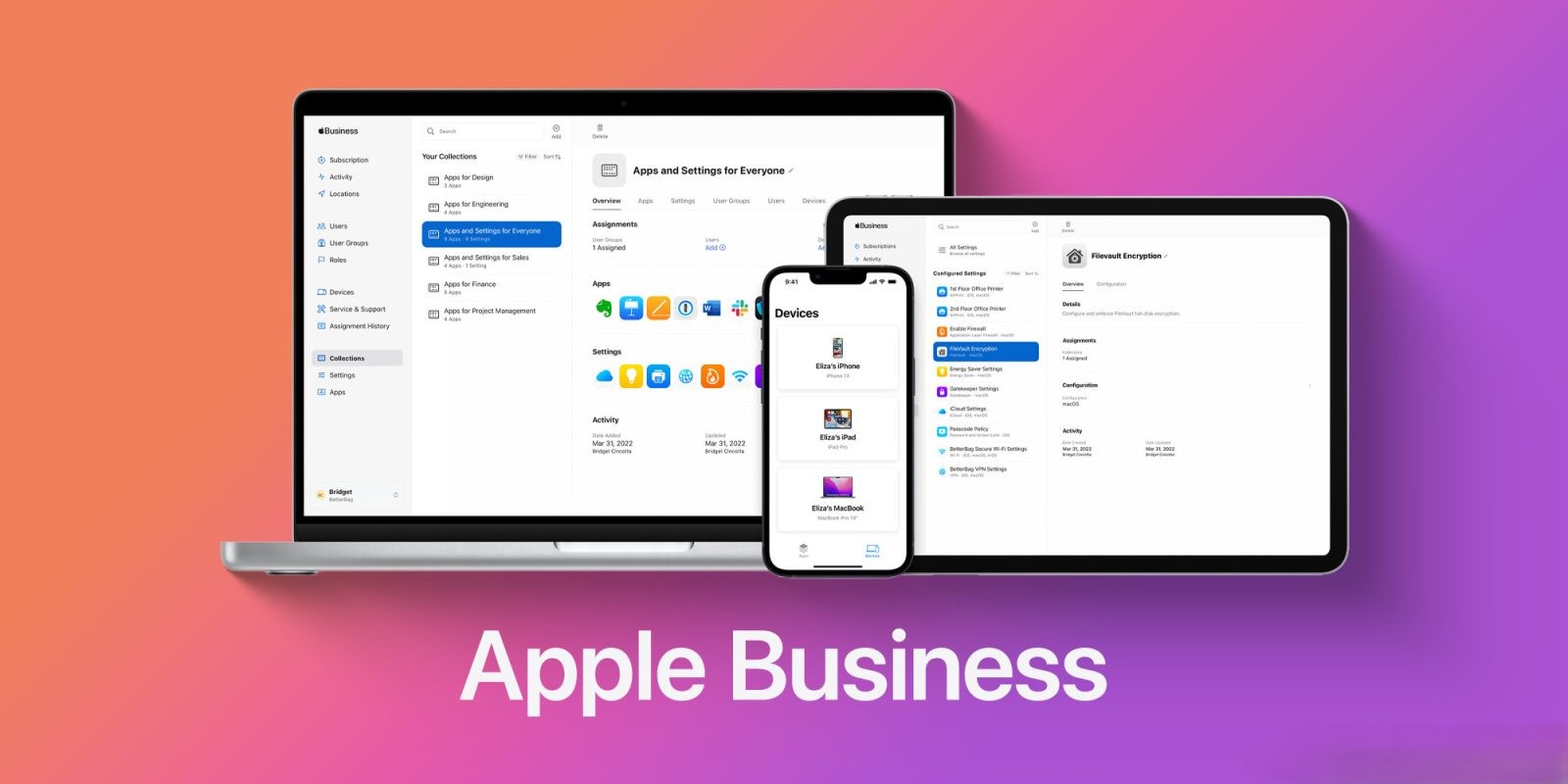
The introduction of Automated Device Enrollment, integrated with Apple Business Manager (now known as Apple Business), marked a pivotal moment in device security. When organizations purchase devices directly from Apple or authorized resellers, each device’s serial number is permanently linked to the company’s portal upon activation. This integration ensures that, upon unboxing and connecting to Wi-Fi, the device automatically checks in with Apple’s activation servers. Recognizing its association with the company, the device then downloads all necessary management profiles, applications, and security policies without manual intervention.
Deterrence Through Zero-Touch Enrollment
This seamless zero-touch workflow has significantly deterred device theft. Consider a scenario where a managed MacBook Pro is stolen. The thief’s instinct would be to wipe the drive and reinstall macOS. However, as soon as the freshly wiped device connects to the internet during the setup process, it communicates with Apple. The device is then met with a Remote Management screen, prompting for corporate login credentials—a step that cannot be bypassed. The device remains hardcoded to the organization at the server level upon activation.
When combined with managed Activation Lock, the stolen device becomes virtually inoperable. The thief cannot use it, nor can they sell it to informed buyers. The only remaining value lies in stripping the device for unserialized spare parts, drastically reducing the profit margin of the theft. Additionally, once the device connects to the internet, the company can ascertain the IP address of its location, aiding in potential recovery efforts.
Broader Implications and Additional Measures
Apple’s commitment to device security extends beyond zero-touch enrollment. In iOS 26.4.1, the company enabled Stolen Device Protection by default for enterprise devices. This feature adds extra security layers to sensitive actions when an iPhone is away from familiar locations, requiring biometric authentication for tasks like accessing saved passwords or changing account settings. It also introduces delays for certain high-risk changes to prevent unauthorized access. This proactive approach further fortifies devices against potential threats.
Moreover, Apple has updated its repair policies to deny service for iPhones reported as lost or stolen in the GSMA Device Registry. This global database allows smartphone owners to register events such as loss, theft, or fraud. By cross-referencing this database, Apple ensures that stolen devices cannot be serviced, further diminishing their value to thieves.
Conclusion
Through innovations like Zero-Touch Enrollment and Stolen Device Protection, Apple has revolutionized device security. By tying physical hardware to cloud activation and implementing stringent security measures, the company has effectively rendered stolen corporate devices useless to unauthorized users. For IT administrators, this evolution offers peace of mind, knowing that both their data and hardware are safeguarded against theft.