Apple’s Strategic Decision: Keeping iPad and Mac Separate to Safeguard Revenue Streams
Apple has consistently maintained a clear distinction between its iPad and Mac product lines, resisting the integration of the two into a hybrid device. This deliberate separation is rooted in a strategic effort to preserve robust revenue streams from both categories, each contributing approximately $30 billion annually to the company’s earnings.
The Rationale Behind Distinct Product Lines
The tech community has long speculated about the potential for a device that seamlessly combines the functionalities of both the iPad and Mac. Enthusiasts envision a touch-centric computer running macOS or an iPad capable of fully replacing a traditional laptop. Despite these discussions, Apple has chosen to keep the two lines separate. According to insights from Mark Gurman’s Power On newsletter, Apple executives are steadfast in their commitment to this separation, believing that a hybrid device could cannibalize sales from both product lines.
Financial Implications of a Unified Device
Apple’s financial performance underscores the significance of maintaining distinct product categories. In the fiscal year 2025, the company reported revenues of $94.04 billion in the third quarter alone, with substantial contributions from both iPhone and Mac sales. The iPhone generated $44.58 billion, while Mac sales accounted for $8.05 billion. These figures highlight the critical role each product line plays in Apple’s overall financial health.
Enhancing Interoperability Without Merging
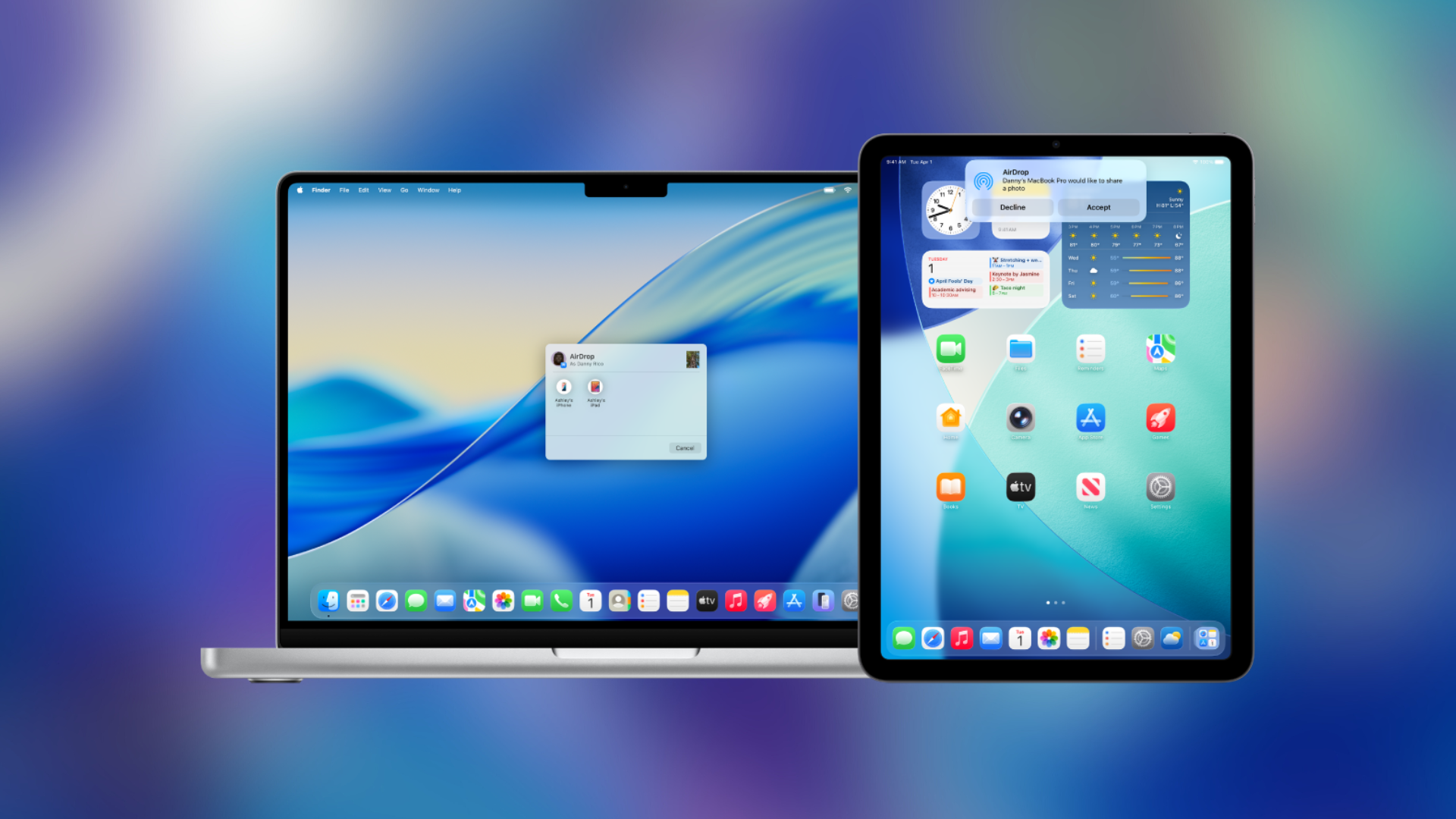
To provide users with a cohesive experience across devices, Apple has introduced features like Sidecar and Continuity. These tools enable seamless interaction between iPads and Macs, allowing users to extend their Mac desktops onto iPads or transition tasks between devices effortlessly. This approach enhances user experience without necessitating a unified device.
Advancements in iPadOS and macOS
Apple continues to evolve its operating systems to meet user demands. iPadOS 26, for instance, introduced a rebuilt windowing engine, offering features like fully resizable windows and advanced multitasking capabilities. Craig Federighi, Apple’s software chief, emphasized that these enhancements are designed to preserve the iPad’s unique identity, avoiding the complexities associated with macOS.
Future Hardware Developments
Looking ahead, Apple is reportedly developing a touch-enabled MacBook Pro slated for release in late 2026. This device is expected to retain its traditional laptop form factor, incorporating touch functionality as an optional input method rather than a primary feature. Additionally, Apple is exploring the development of a large foldable iPad, which, despite its expanded screen size, will continue to operate on iPadOS, reinforcing the company’s commitment to distinct product lines.
Conclusion
Apple’s strategic decision to maintain separate iPad and Mac product lines reflects a calculated effort to protect and maximize revenue from both categories. By enhancing interoperability through software features and advancing each platform independently, Apple aims to meet diverse user needs while safeguarding its financial interests.