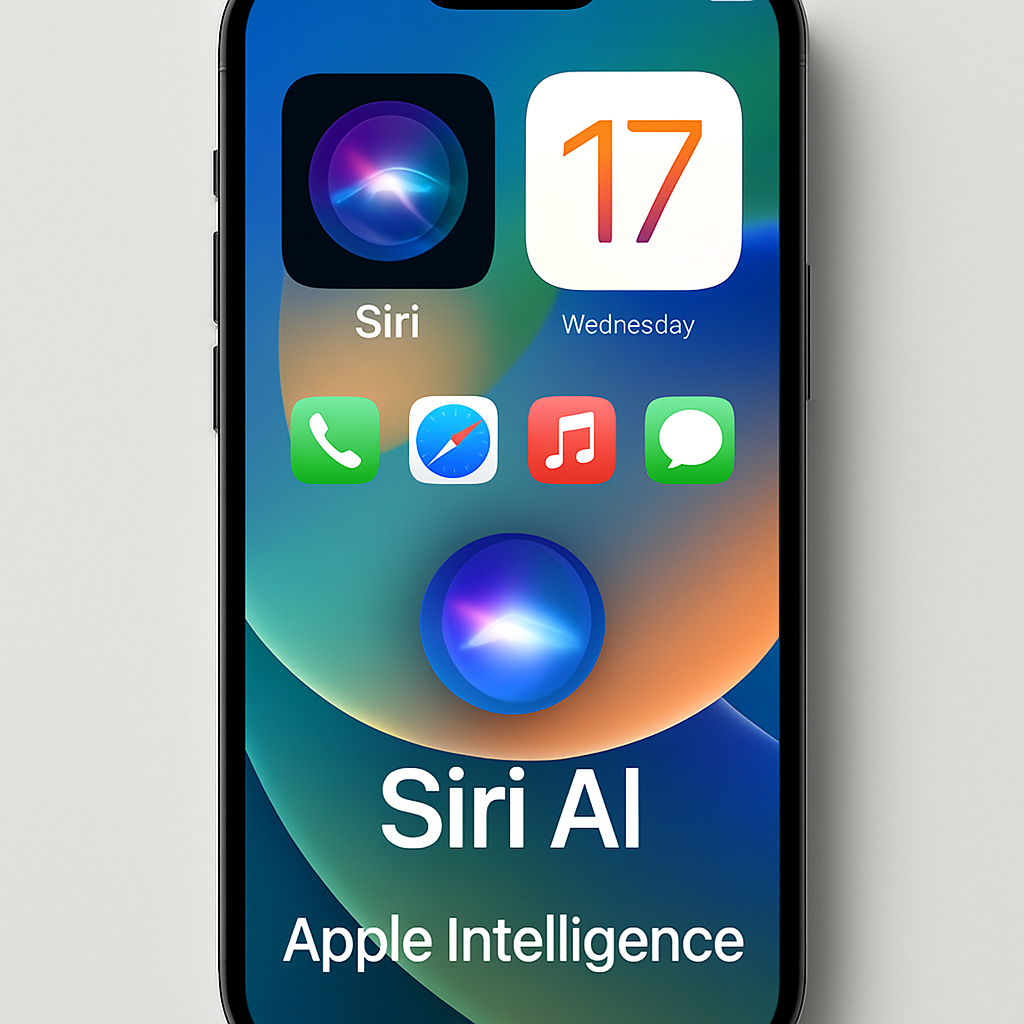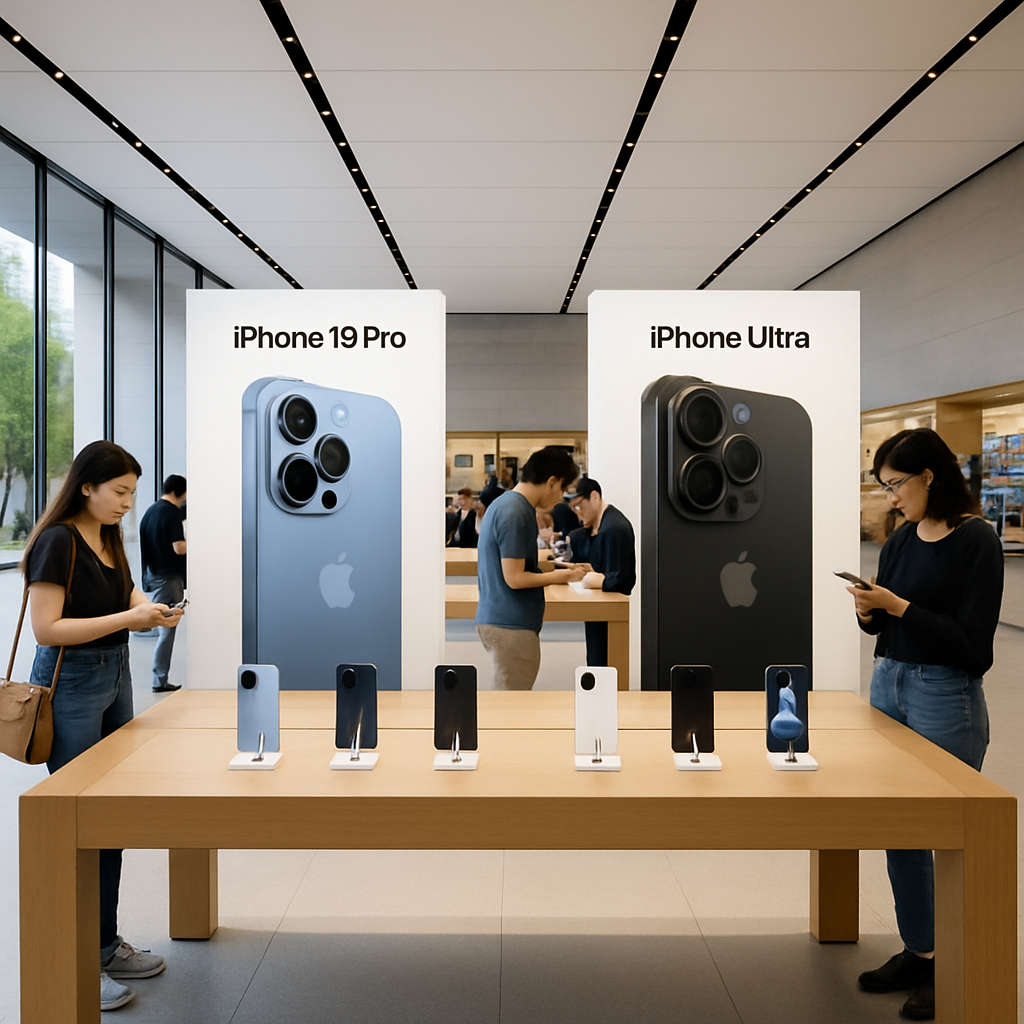
Apple is gearing up for a significant shift in its iPhone launch strategy this fall, focusing on the premium iPhone 18 Pro and introducing its first foldable device, the iPhone Ultra. This move marks a departure from previous years, as the standard iPhone 18 is slated for a spring release, leaving the spotlight on the higher-end models in September.
Introducing the Apple Upgrade Program
To make these premium devices more accessible, Apple has launched the Apple Upgrade program in the United States. This initiative allows customers to lease an iPhone for 12 or 24 months, resulting in lower monthly payments compared to traditional financing. At the end of the lease term, users have the option to upgrade to a new device, return the current one, or pay the remaining balance to own it. While AppleCare is available at an additional cost, the AppleCare One plan offers a more affordable way to bundle warranties.
Enhanced Trade-In Values
In addition to the leasing program, Apple has increased trade-in values for existing devices. For instance, an iPhone 16 Pro Max now offers up to $720 in trade-in credit, up from $695, while the iPhone 16 Pro’s value has risen from $560 to $630. This enhancement allows customers to apply higher credits toward new purchases or lease agreements, effectively reducing the financial burden of upgrading.
Targeting Android Users
Apple is also expanding its trade-in program to include a broader range of Android devices. The updated list now encompasses models from Google, Samsung, and OnePlus, such as the Pixel 9 series, Galaxy S21 Ultra, OnePlus 13, and OnePlus 13R. This strategic move aims to attract Android users by offering them a pathway into the Apple ecosystem through trade-in credits applicable toward new purchases or leases.
These initiatives collectively aim to mitigate the impact of higher price points associated with the upcoming iPhone 18 Pro and iPhone Ultra. By offering flexible financing options, increased trade-in values, and targeting a wider audience, Apple is positioning itself to maintain strong sales figures despite the premium pricing of its new devices.
As Apple continues to innovate and push the boundaries of smartphone technology, these strategic moves reflect a keen understanding of market dynamics and consumer behavior. The success of this approach will depend on how effectively Apple can communicate the value proposition of its premium devices and the benefits of its new programs to potential customers.