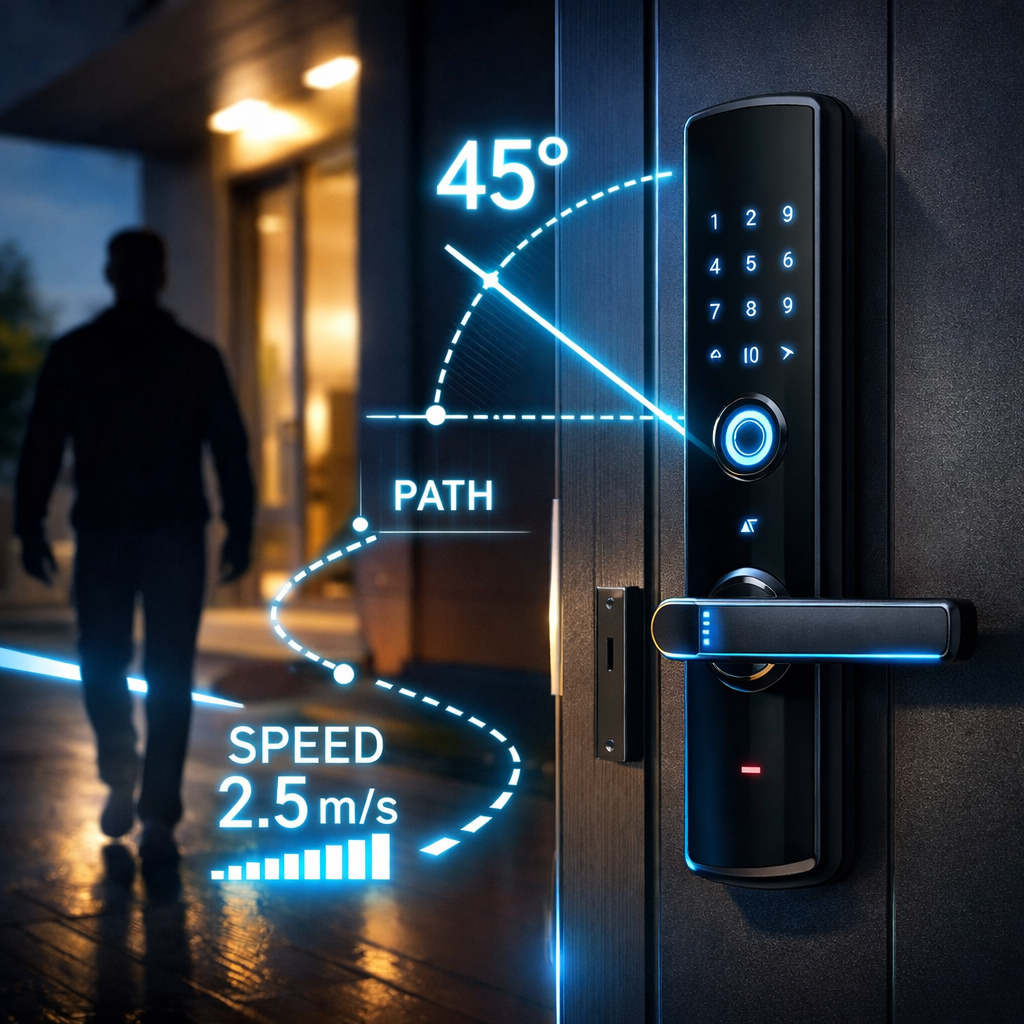
Apple is exploring ways to make its smart lock technology more discerning about when to unlock automatically, based on how someone approaches their lock—not just whether their iPhone or other authorized device is nearby.
Redefining Automatic Unlocks with “Approach-Based Lock Control”
A new Apple patent dubbed “Approach-Based Lock Control” details how future smart locks could evaluate more than mere proximity. To avoid unintended unlocks—say, when you’re walking away from the door or passing by—the system would check for specified approach paths, angles, speed, consistency, and even previously traveled areas to determine if unlocking makes sense. It’s not enough for your device to simply be close; the way you arrive at the door plays a key role.
Where This Adds Value (& Why It’s More Than Just Doors)
The idea is that if someone is walking past a door after mowing the lawn, or moving through another part of the house, the lock won’t release despite proximity. If you left through the front door earlier and are inside now, even getting near the door again won’t trigger an unlock. In addition to home doors, Apple suggests the technology could protect access in vehicles, gyms, pools, safes, lockers, or other restricted spaces.
Apple credits the patent to engineer Zachary A. Rosen, who’s worked on secure access and data protection in multi-user settings. The filing indicates Apple continues to build on its smart home push, integrating spatial, behavioral, and positional data to bolster security.
There’s no guarantee this system will ship in a product, but the research shows where smart lock tech could go: less accidental access, more context awareness.
Why this matters: As homes get smarter, protections need to keep up. The risk isn’t just about someone near your door—it’s about when, how, and from where they approach. Apple’s patent points toward a future where smart locks do more than know you’re close—they know whether you should unlock.