Apple is preparing to introduce a dedicated smart-home hub, internally dubbed “HomeView,” a device that aims to unite home automation under one voice-driven interface. While the device won’t launch in October, it’s expected to hit the market mid-November 2026.
What Is HomeView?
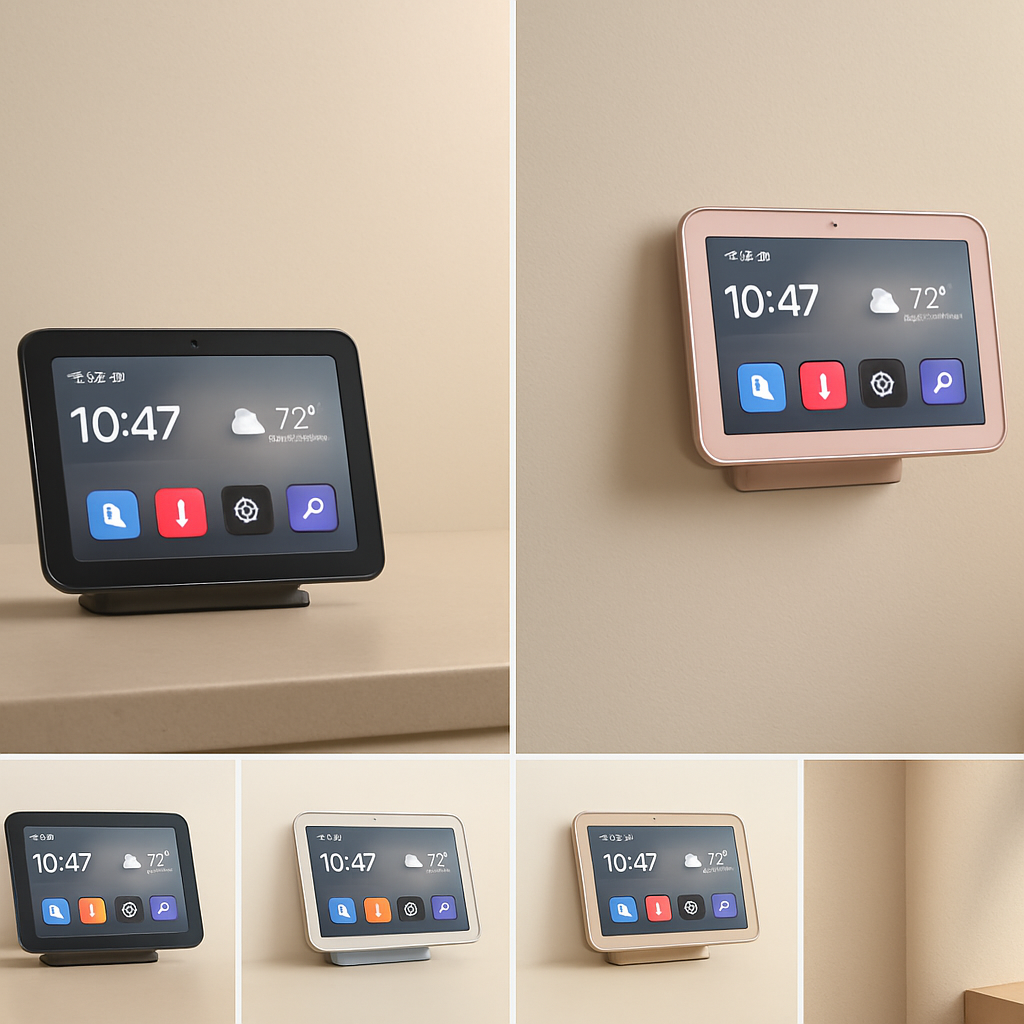
The HomeView will function as Apple’s new central appliance for controlling smart-home devices. It’s built around an A18 chip and features a display designed to facilitate interactions—primarily through voice commands. Touch input will be available, but the system won’t make heavy use of it.
This controller won’t support the App Store or permit adding new apps. Instead, it will include a curated selection of Apple’s own apps. Siri will serve as the main interface between the user and their smart-home setup.
Configurations and Design Variants
HomeView will ship in two distinct versions. The first is a countertop model featuring a metal speaker base, available in four finishes: space gray, silver, starlight, and pink. The second is a wall-mounted variant, which has a flatter square base and comes in just two finishes: space gray and silver.
While there’s no precise pricing disclosed, availability is targeted for mid-November, making it a few weeks delayed from its anticipated unveiling event on October 13. That event is expected to focus on Apple’s smart-home hardware line.
Apple isn’t revealing everything yet, but it seems clear HomeView is meant to act as a nerve center for the smart home—something that ties together Apple’s growing roster of home-focused devices. Limited app support and a reliance on Siri make that role very specific, distinct from full-fledged tablets or screens. Its design choices suggest it’s more about ambient control than heavy use.
Analytical Angle
HomeView reflects Apple’s evolving strategy in the smart-home arena: integrating hardware with well-controlled software and dominance of voice interfaces. It signals a shift away from the multi-app approach toward simplicity and seamless control, likely to appeal to consumers overwhelmed by device fragmentation. As smart homes become more common, the success of HomeView may hinge not just on specs, but on how effortlessly it connects with other devices—and whether its limitations (no App Store, limited touch use) are seen as trade-offs or drawbacks. What’s worth watching: pricing alignment with similar hubs, how well Siri handles complex home setups, and whether Apple expands compatibility outside its ecosystem.