Apple is preparing to unveil its first pair of Siri-enabled AI smart glasses, reportedly at WWDC next year, with consumer availability aimed for late 2027. These glasses represent a crucial step in Apple’s push to expand its AI and wearable hardware offerings. The device has been under development as part of Apple’s broader AI strategy to deepen its ecosystem and provide new form factors for its intelligence tools.
Core Capabilities and Hardware
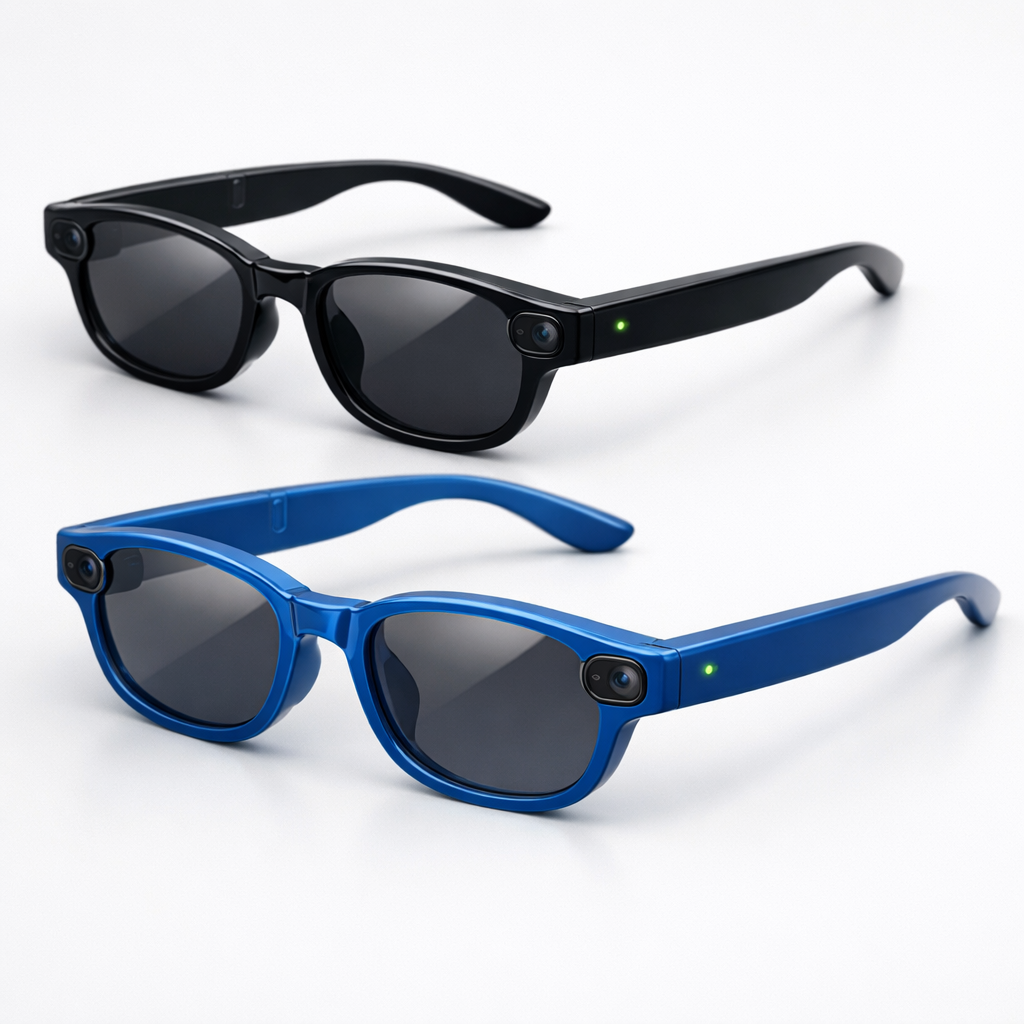
The smart glasses won’t include augmented reality (AR) displays—instead, they’ll deliver voice, camera, speaker, and microphone features. Most of the processing will depend on a paired iPhone; the glasses themselves are set to function largely as an accessory that taps into the phone for apps and AI functions. Though there may be limited Wi-Fi support to maintain certain features without the iPhone, the full app experience will rely on your phone nearby. In terms of design, early prototypes are slightly thinner than the second-generation Meta Ray-Bans, with front-facing oval camera modules that sit flush within the frame rather than protruding. A front indicator light will signal when the device is active or charging. Audio quality is described by Apple’s engineers as “industry-leading.”
Siri AI and Third-Party Apps
An important component of the glasses will be enhanced Siri integration. Starting with iOS 27.3, Apple has introduced more robust third-party app support for Siri—moving beyond mere Shortcuts. By the time the glasses arrive, Siri should be able to work closely with a range of third-party apps to enhance its usefulness across tasks. Despite these improvements, users shouldn’t expect the glasses to run apps directly; the apps will run through the iPhone, while the glasses serve as a hands-free interface.
Design, Style & Privacy
Apple is reportedly exploring multiple frame styles and materials to give the glasses a fashionable, premium feel. Early design testing includes a variety of frame options—large and slim rectangular frames, larger and smaller oval or circular styles—in materials like acetate and finishes such as black, ocean blue, and light brown. On the privacy front, Apple is testing options like using cameras strictly for environmental sensing, and not allowing photo or video recording, to address concerns about wearables with always-on cameras. Privacy indicator lights and restrictions on recording are part of Apple’s strategy to maintain user trust.
This product marks Apple’s entry into the non-AR smart glasses category—bringing together audio, visual intelligence, and voice interaction in a wearable that enhances rather than replaces the iPhone. Apple aims to reveal the device at WWDC and hit the market by year’s end to give developers time to build for it and users something new in the wearable space.
What this means: If these reports hold true, the glasses could catalyze a new class of AI wearables that lean on devices people already own, rather than trying to replace them. For the tech industry, it means that Cupertino may set the standard for trustworthy wearable AI—stylistically attractive, deeply connected to existing platforms, and built with privacy front and center. The key to adoption will be not just the glasses themselves, but whether the Siri-powered apps deliver tangible value day in, day out. Watch for developer tools, third-party integration, privacy safeguards, and pricing in late 2027 to 2028 as these will shape whether the glasses become more than just a novelty.


