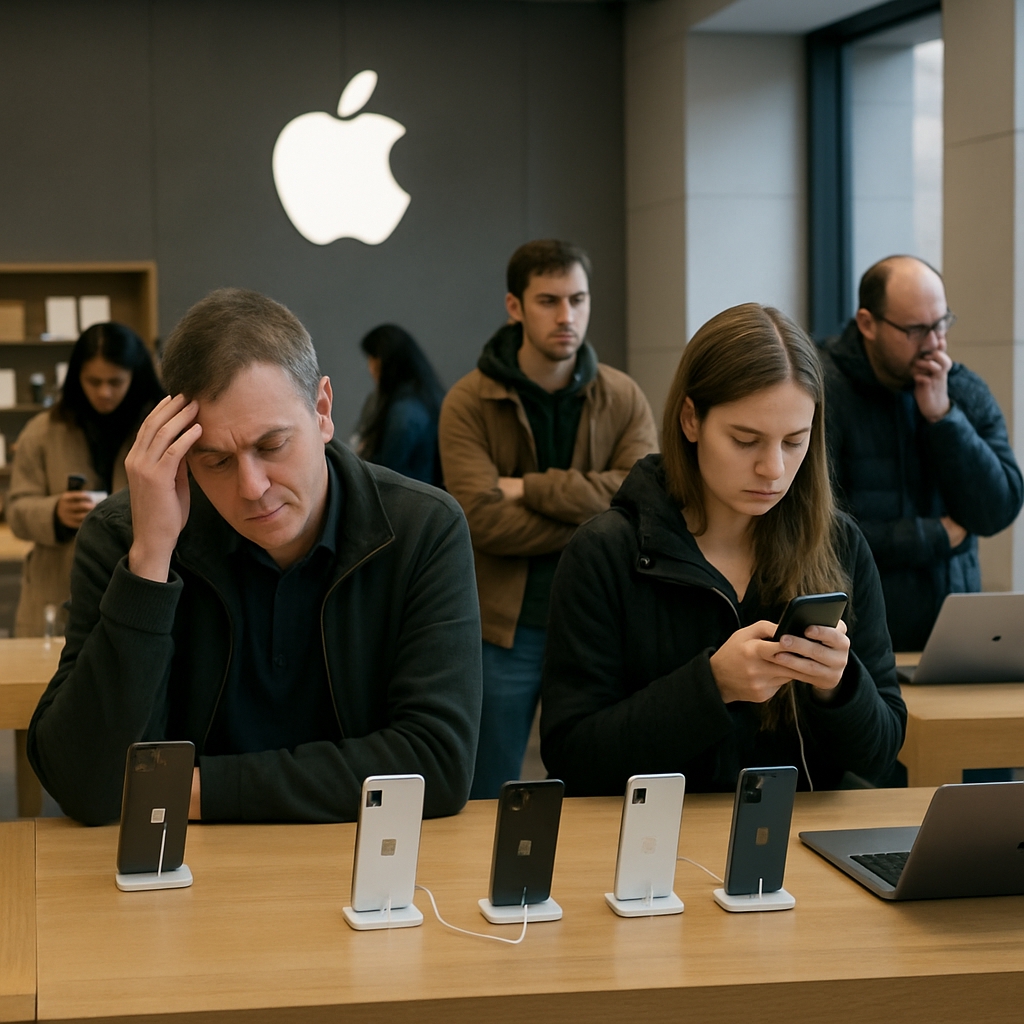
Recent price increases across Apple’s product lineup are poised to significantly impact consumer upgrade cycles. A survey of thousands of Apple enthusiasts indicates that over 90% plan to alter their purchasing behavior in response to these hikes.
Among the respondents, 38% intend to upgrade their devices less frequently, while 14% will wait for sales before making a purchase. Additionally, 12% are considering dropping one or more Apple products from their lineup, and 9% plan to opt for lower-end models. Notably, only 9% of those surveyed stated that the price increases would not affect their buying decisions.
These price adjustments come amid substantial hikes, with some products experiencing increases exceeding 50%. Memory and storage upgrades have seen costs double in certain cases. Industry analysts suggest that this trend is unlikely to reverse in the near future, with supply chain pricing pressures expected to persist until at least 2028.
Apple’s decision to raise prices is largely attributed to soaring component costs, particularly in memory and storage, driven by heightened demand from AI data centers. This surge has led to a global shortage, compelling manufacturers to prioritize AI-related production over consumer electronics, thereby escalating costs for companies like Apple.
For consumers, these price increases may necessitate reevaluating upgrade timelines and purchasing strategies. Some may choose to extend the lifespan of their current devices, seek out refurbished options, or take advantage of trade-in programs and financing plans to mitigate the financial impact.
In the broader context, Apple’s pricing strategy reflects the challenges faced by the tech industry in balancing innovation with affordability amid fluctuating component costs. As the market adapts to these changes, both consumers and manufacturers will need to navigate the evolving landscape of technology pricing and availability.