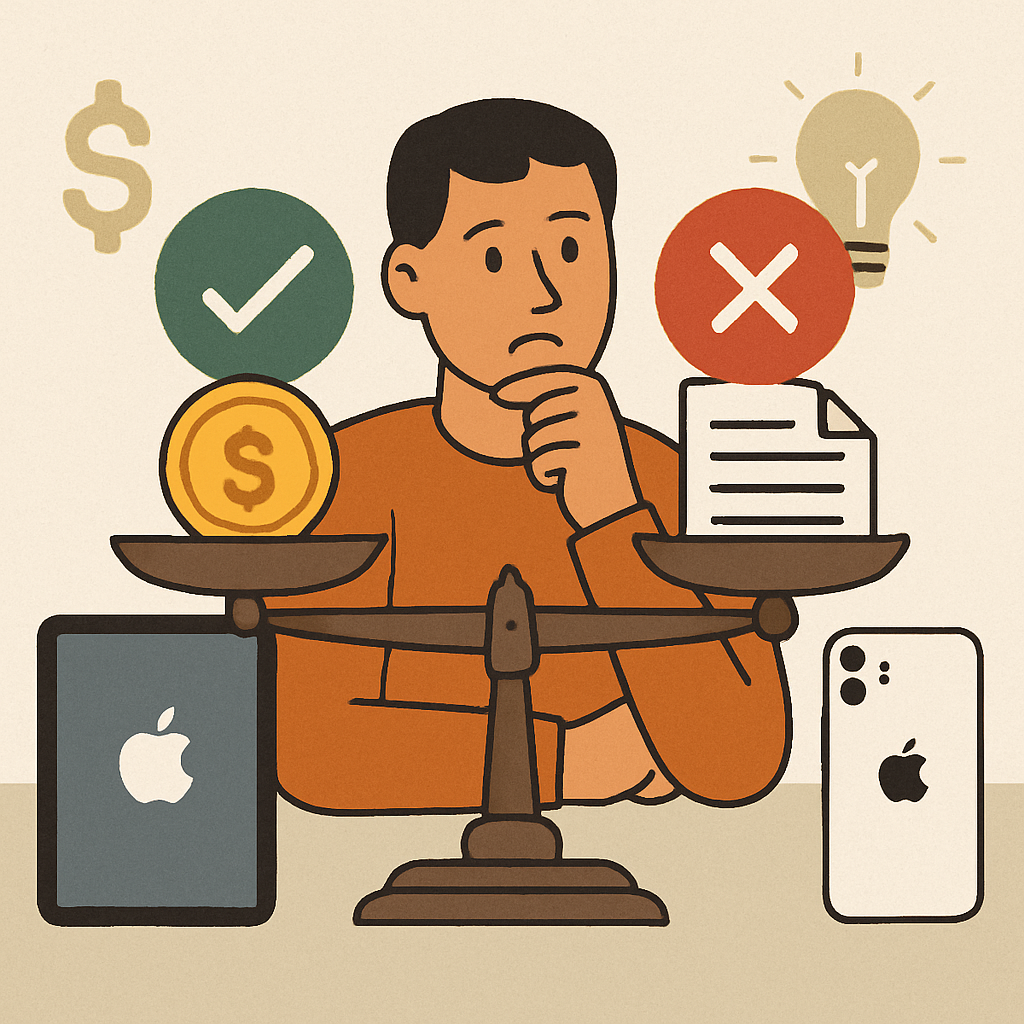
Apple has introduced the Apple Upgrade program, a leasing initiative that allows customers to acquire devices like iPhones and Macs through monthly payments, with options to upgrade, return, or purchase outright. This strategy aims to make high-priced products more accessible by reducing the initial financial burden.
Historically, Apple has offered installment plans, such as the iPhone Upgrade Program launched in 2015, which bundled AppleCare+ and permitted annual upgrades. The new Apple Upgrade program expands this concept to a broader range of products, including Macs and iPads, offering plans spanning 24 to 26 months, depending on the device. Notably, AppleCare is now a separate purchase, and the program is facilitated through a partnership with Klarna, a firm specializing in Buy Now Pay Later services.
While this program provides consumers with more flexible purchasing options, it also carries potential risks. The ease of acquiring multiple devices through manageable monthly payments may lead some individuals into financial commitments beyond their means. Additionally, failure to meet payment obligations could result in usage restrictions imposed by Apple or associated carriers.
For Apple, the Upgrade program is a strategic move to maintain sales momentum amid economic challenges and rising product costs due to factors like global chip shortages. By offering a leasing model, Apple can continue to sell high-end devices without requiring customers to pay the full price upfront, potentially boosting sales and customer retention.
Consumers should carefully assess their financial situations before enrolling in such programs. While the prospect of accessing the latest Apple devices through affordable monthly payments is appealing, it’s essential to consider the long-term financial implications and ensure that the commitments align with one’s budget and needs.