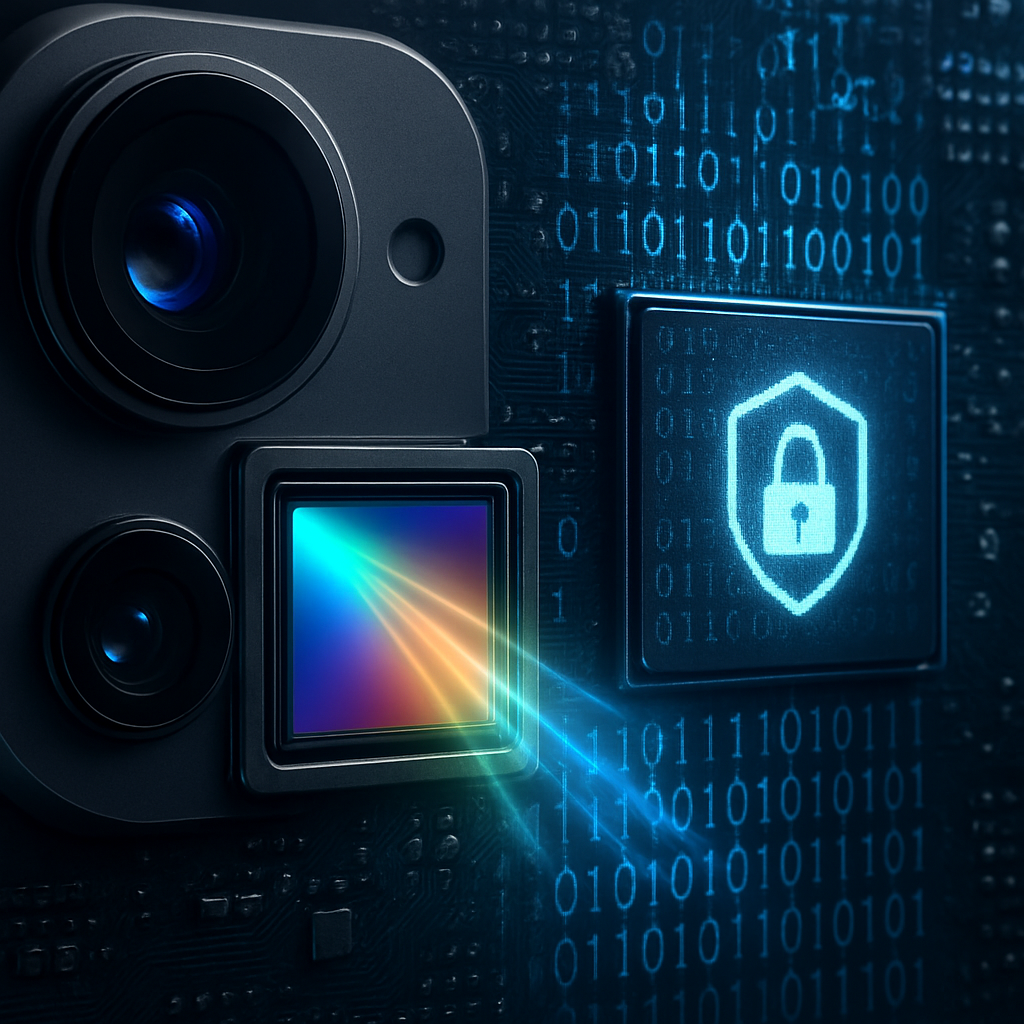
Apple has unveiled “Apple Reference Image,” a complex security system built into the iPhone 18 Pro and related devices that serves as a “digital negative” to verify that a photo hasn’t been generated or altered using AI tools. More than a simple metadata stamp, this mechanism injects protections into the camera sensor, Secure Enclave, and the processing pipeline to guarantee semantic authenticity—and it’s designed to work even when under attack. The goal: provide users and news media with strong proof that what they’re seeing is exactly what the sensor captured.
Why AI-forged photos are no longer obvious
Today’s AI image tools produce visuals nearly indistinguishable from those captured by real cameras. Photos that look true to the naked eye may have undergone processing, manipulation, or total fabrication. To counter this, Apple positions Reference Image as a more trustworthy standard than existing content provenance frameworks. Apple argues that many tools built around the C2PA (Coalition for Content Provenance and Authenticity) standard rely on metadata added after capture—making them vulnerable to tampering.
Apple’s system aims to prove authenticity from the moment the sensor captures light, not after the fact. If every step is secure—from sensor to final file—then it becomes much tougher to fake or misrepresent an image.
How Apple builds “trust” into your camera
Apple Reference Image rests on three pillars: semantic authenticity, resilience to compromise, and user privacy. Semantic authenticity means that every transformation from raw sensor data to the final image must be verifiable—and all captured data must match what the sensor actually received, with cryptographic signatures applied before anything else.
Resilience to attacks is central. The system is designed to resist firmware tampering, OS-level breaches, even physical sensor removal. At manufacture, each camera sensor is given its own cryptographic identity that’s tightly bound to the device via the Secure Enclave. The signatures used are post-quantum secure, combining RSA-3072 with ML-DSA-87. If a sensor shows signs of being compromised—either through repeated failed integrity checks or suspicious behavior—it can be blacklisted and its images will be refused signature.
Privacy is built into the design. Photos are signed and validated without exposing the photographer’s identity. Apple processes data using its Private Cloud Compute (PCC) system so that even Apple itself cannot view image content during signature or timestamping. Public identity ties like names or accounts are avoided. Network requests are also designed to hide identifying metadata, using techniques like Oblivious HTTP for timestamping.
Beyond capture: securing post-processing, timestamps, and prevention of misuse
After capturing an image, it’s sent to PCC where typical operations like demosaicing, tone mapping, and compression happen. All these steps are logged in a transparency log that’s append-only and cryptographically tamper-evident, so anyone can audit that “Reference Image” evolves from the original negative without unauthorized changes.
Countermeasures include timestamping bounds rather than fixed stamps, so an image’s capture time is verifiably somewhere between two points rather than a single modifiable timecode. There’s also a revocation system. If a device—or a specific sensor—loses trustworthiness, its future images won’t get the signature. Older images may also be invalidated if necessary.
This entire architecture makes Reference Image more than a layer you add—it’s deeply wired into the iPhone’s camera firmware and cloud infrastructure to prevent tampering before, during, or after photo capture.
What this means going forward:Apple’s Reference Image could redefine how trust is established in digital photography at a moment when manipulated visuals threaten everything from photojournalism to personal security. Expect to see legal, journalistic, and technical debates over how this standard interoperates with existing tools, how transparent Apple is about its cryptographic and cloud mechanisms, and whether rivals can match or standardize similar protections. For consumers, this promises clearer markers of authenticity—but depends heavily on adoption and external verification of those trust systems. It’s a strong step toward reclaiming faith in what our cameras deliver.