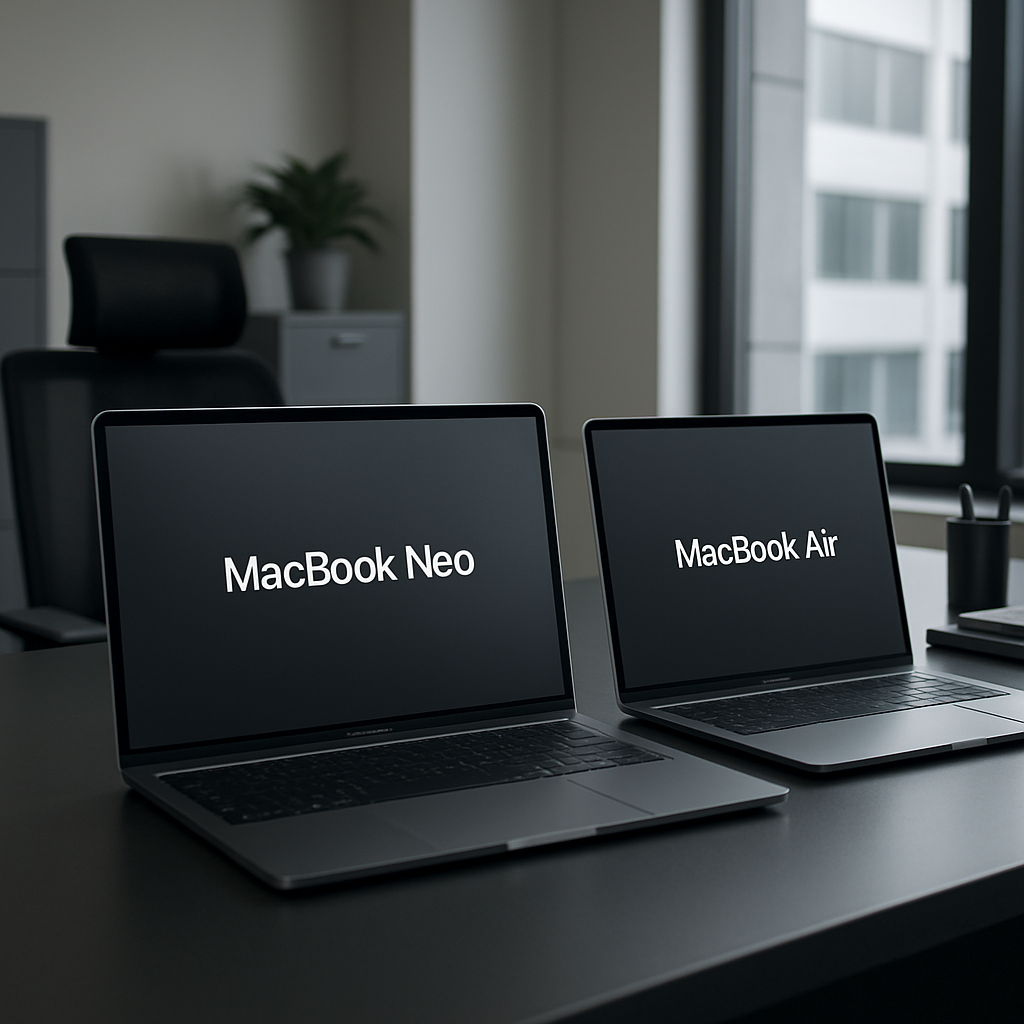
Recent data from IDC indicates a notable shift in the global PC market, with Apple emerging as the only major manufacturer to report an increase in shipments. While the overall industry experienced a 4.9% decline in shipments during the second quarter of 2026, Apple achieved a 10% growth. This development is particularly significant in the enterprise sector, where the MacBook Neo and MacBook Air are gaining traction.
The broader PC market’s downturn is attributed to several factors, including ongoing memory shortages and escalating component costs. These challenges have led to increased prices across the industry, affecting both consumer and enterprise purchasing decisions. Despite these hurdles, Apple’s strategic pricing and supply chain management have positioned its products favorably among enterprise clients.
The MacBook Neo, introduced earlier this year, has been a standout performer. Priced at $599, it offers a compelling combination of affordability and functionality, making it an attractive option for businesses seeking cost-effective solutions without compromising on performance. The MacBook Air, equipped with the latest M5 chip, continues to be a preferred choice for enterprises requiring robust performance in a lightweight design.
Apple’s ability to navigate supply chain complexities and maintain competitive pricing has been instrumental in its recent success. The company’s decision to delay price increases, in contrast to competitors who have raised prices in response to component shortages, has enhanced its appeal in the enterprise market.
Looking ahead, the enterprise sector faces a critical decision: opt for the more affordable MacBook Neo with a shorter refresh cycle or invest in the higher-priced MacBook Air with a longer lifecycle. This choice will depend on individual business needs, budget considerations, and performance requirements.
Apple’s recent growth in the enterprise market underscores the importance of strategic product offerings and supply chain agility. As the industry continues to grapple with supply constraints and price fluctuations, Apple’s approach may serve as a model for balancing affordability with performance, particularly in the enterprise sector.