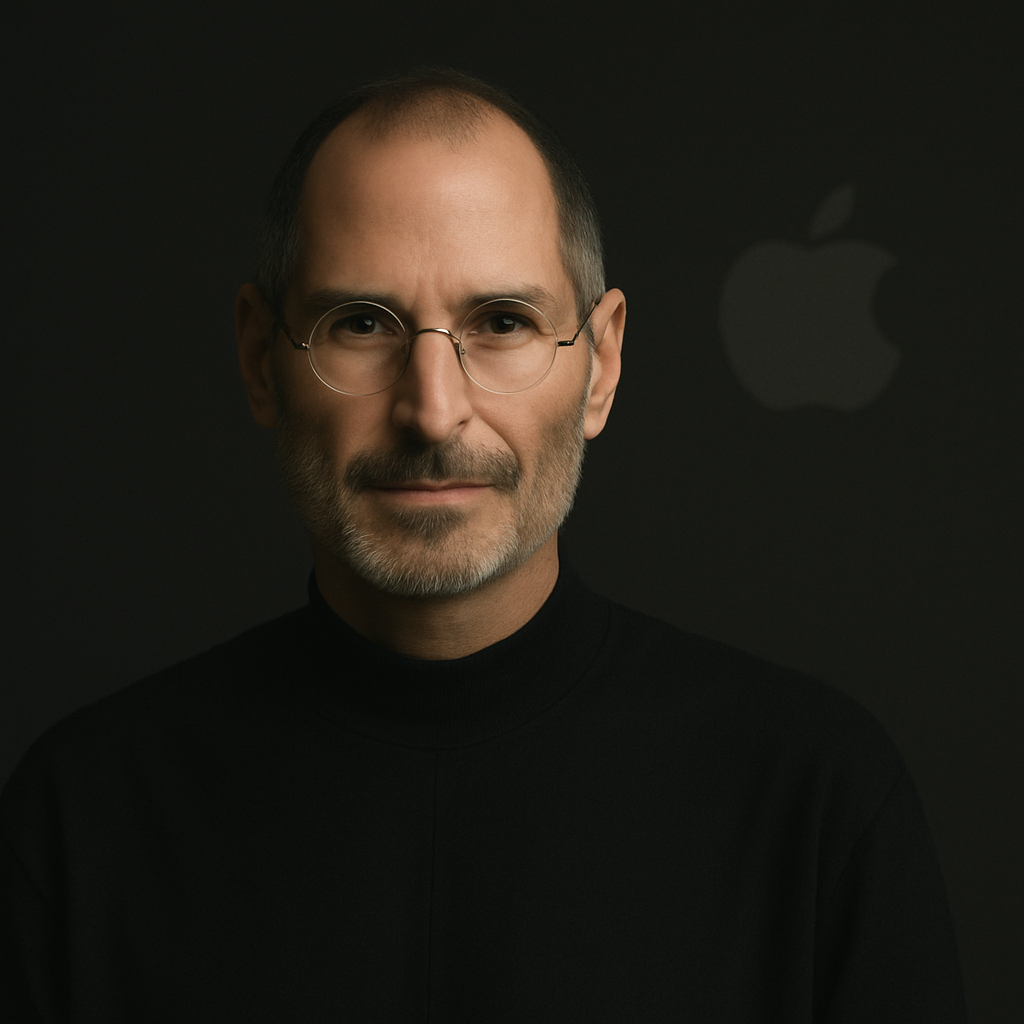
October 5, 2026 marks 15 years since the passing of Steve Jobs, and Apple’s leadership is paying tribute. Current CEO John Ternus and former CEO Tim Cook both shared reflections on how Jobs continues to shape their work and Apple’s legacy.
Ternus expressed that Jobs’ approach to focusing on every detail—every person, every experience—remains central to Apple’s values today. He described how that sense of care still guides the company’s efforts and innovation. Meanwhile, Cook emphasized the extent to which Jobs changed not just a company, but the world itself. He said Jobs reshaped lives, including his own, and noted that Jobs’ influence lives on through his creations and those he inspired.
Leaders Remembering a Visionary
These messages arrive on the anniversary of Jobs’ death, when Apple reflects not just on loss, but on the vision that helped shape modern technology—especially in design, user experience, and simplicity. Jobs co-founded Apple and was instrumental in defining its philosophy; the leaders who follow him often stress that his teachings are not mere legacy, but active guidance.
For Ternus, who stepped into the CEO role recently, emphasizing Jobs’ attention to detail signals continuity. For Cook, who led Apple for over a decade alongside Jobs, it’s a chance to underline the personal and institutional impact Jobs had—how one individual’s ideals became woven into the fabric of a global company.
Why These Remembrances Matter
Fifteen years later, Jobs’ passing is more than historical—it’s a touchstone in Apple’s identity. As the tech industry accelerates, themes like design integrity, user-first products, and company ethos are being tested. Leaders invoking Jobs help reaffirm that Apple still holds fast to what differentiated it under its co-founder.
These reflections also offer insight into the role of leadership today. With Jobs gone, his lessons serve as benchmarks—not only for products, but for culture. Ternus and Cook both highlight how principles more than products carry forward—how building with care, inspiring others, and creating meaningful experiences continue to define Apple’s mission.
This annual remembrance becomes a signal. It says Apple isn’t just preserving memory—it’s anchoring its future. As the company faces new challenges in AI, privacy, hardware design, and global competition, leaning into Jobs’ legacy isn’t nostalgia—it’s strategic grounding. What we’ll watch next is how those ideals manifest in Apple’s upcoming products and how Ternus shapes the company with Jobs’ philosophy still at the core.