Apple’s iPhone Air, introduced in September 2025, faced a challenging first year in the market. Reports indicated minimal demand shortly after its launch, leading to significant production cuts by suppliers. By early 2026, major manufacturers like Luxshare and Foxconn had ceased production, and Apple resorted to substantial discounts to stimulate sales. Depreciation rates for the device were notably higher compared to the iPhone 17 series, and activation numbers remained low despite multiple price reductions.
Several factors contributed to the iPhone Air’s underperformance. The device’s single rear camera was perceived as a drawback, especially when compared to the dual-camera setup of the less expensive iPhone 17. Additionally, the absence of vapor chamber cooling resulted in higher operating temperatures under load, and the lack of stereo speakers diminished the audio experience. Battery life was also a concern, often falling short of a full day’s use, prompting Apple to offer a dedicated MagSafe battery accessory. With the iPhone 17 Pro priced just $100 higher, consumers found little incentive to choose the iPhone Air.
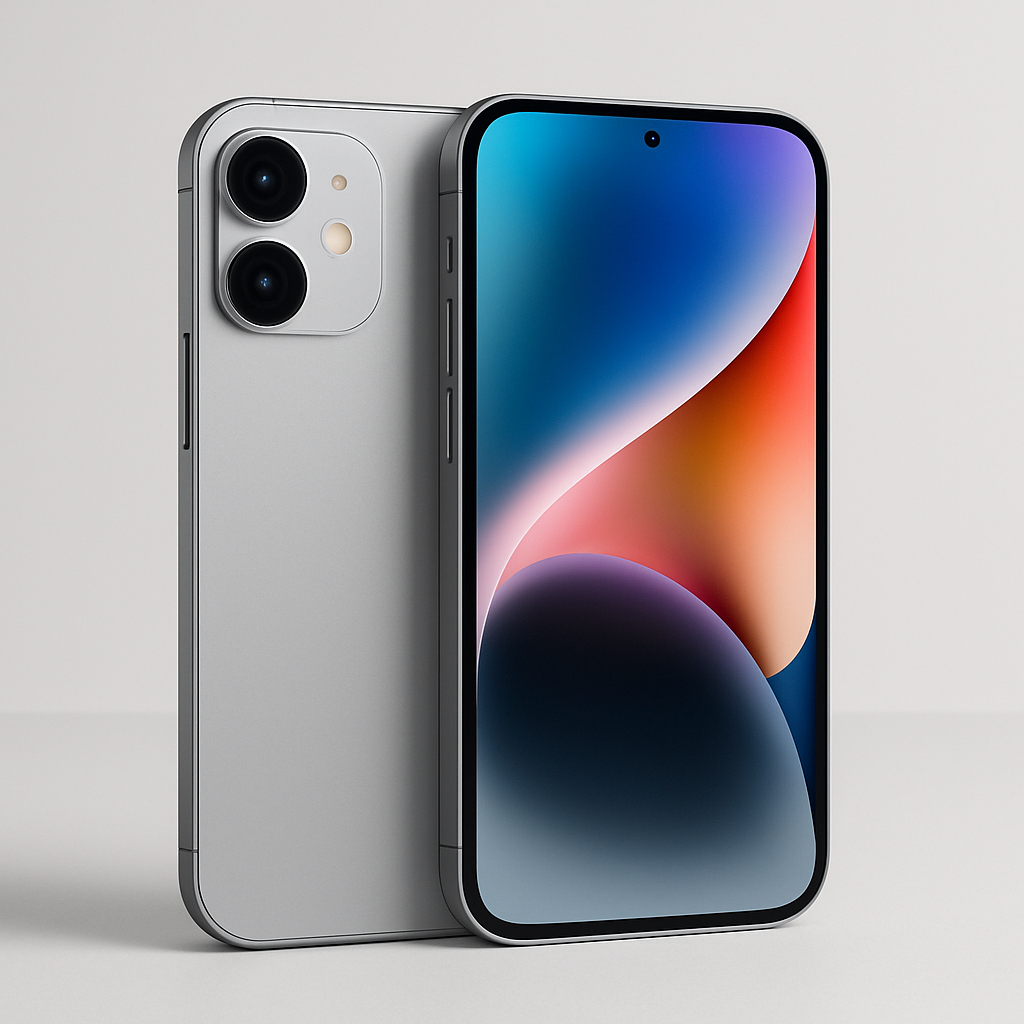
In response to these challenges, Apple is reportedly planning significant upgrades for the second-generation iPhone Air. The upcoming model is expected to feature a dual-camera system by adding an Ultra Wide lens alongside the existing 48-megapixel Fusion camera. This design has reportedly reached advanced testing stages, maintaining the current exterior with the addition of the extra lens.
To accommodate these enhancements, Apple has requested an ultra-thin Face ID module to free up internal space. The company also plans to adopt Samsung’s CoE display technology, which offers a thinner and brighter panel. Battery capacity is anticipated to increase to 3,500mAh from the current 3,149mAh, and the device may incorporate vapor chamber cooling to manage heat more effectively. Despite these additions, Apple aims to make the device lighter than its predecessor.
The second-generation iPhone Air is also expected to feature the A20 Pro chip and Apple’s second-generation N2 wireless chip, enhancing overall performance and connectivity.
These anticipated upgrades suggest that Apple is actively addressing the shortcomings of the first-generation iPhone Air. By enhancing camera capabilities, display quality, thermal management, and battery life, the company aims to reposition the iPhone Air as a more competitive option in its product lineup. The success of the iPhone Air 2 will depend on how well these improvements resonate with consumers and whether they effectively differentiate the device from other models in the iPhone series.