Apple’s iOS 27 Update: Four iPhone Models May Lose Support
As Apple prepares to unveil iOS 27 at the upcoming Worldwide Developers Conference (WWDC) on June 8, 2026, recent leaks suggest that the new software update may discontinue support for several older iPhone models. This potential shift underscores Apple’s ongoing strategy to enhance user experience by leveraging the capabilities of newer hardware.
Potential Discontinuation of Support for Older Models
According to information from Weibo leaker Instant Digital, iOS 27 is expected to require an iPhone 12 or later for compatibility. This development implies that four models currently running iOS 26 may not support the forthcoming update:
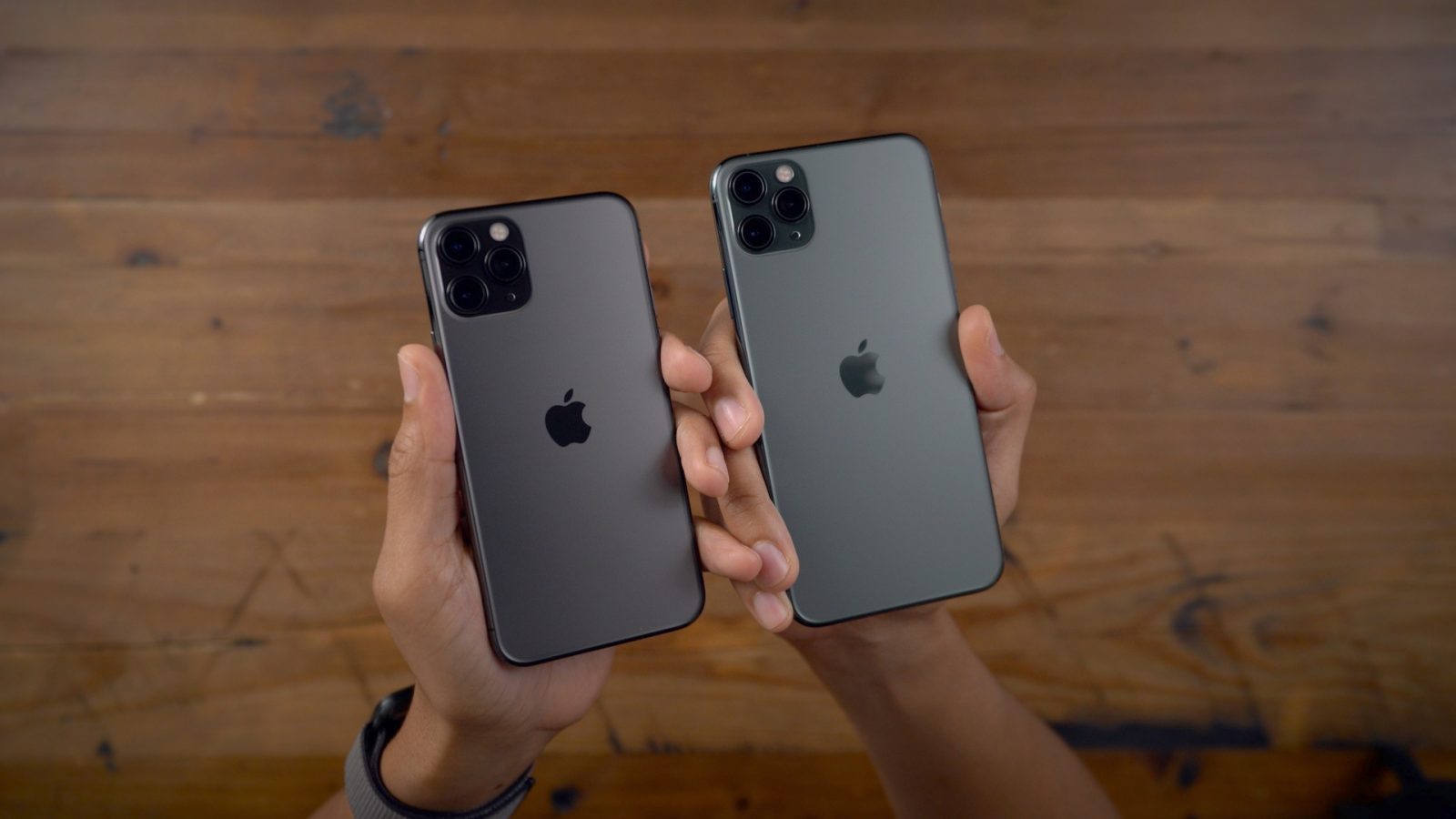
– iPhone 11
– iPhone 11 Pro
– iPhone 11 Pro Max
– iPhone SE (2nd generation)
If these reports hold true, it would mark the second consecutive year that Apple has phased out support for older devices. In the previous year, the iPhone XS series was excluded from the iOS 26 update. This pattern highlights Apple’s focus on optimizing software performance and introducing features that necessitate more advanced hardware capabilities.
Implications for Affected Users
For users of the aforementioned models, the inability to upgrade to iOS 27 means missing out on new features and improvements. While Apple typically continues to provide security updates for older iOS versions, these devices will not benefit from the latest functionalities introduced in iOS 27.
It’s also noteworthy that some of iOS 27’s anticipated features, particularly those related to Apple Intelligence, may require even newer hardware. Reports suggest that these advanced features will be exclusive to the iPhone 15 Pro and later models. Therefore, even if a device is compatible with iOS 27, it may not support all the new features, depending on its hardware specifications.
Apple’s Approach to Software Support
Apple’s decision to phase out support for older devices is not unprecedented. The company has a history of balancing the introduction of innovative features with the limitations of aging hardware. By focusing on newer models, Apple can ensure that users have access to the most efficient and feature-rich experience possible.
However, this approach also means that users with older devices face a choice: continue using their current hardware without access to the latest software advancements or upgrade to a newer model to take full advantage of Apple’s evolving ecosystem.
Looking Ahead
As the official announcement of iOS 27 approaches, users are keenly awaiting confirmation of these compatibility changes. Apple’s decisions in this regard will likely influence consumer choices and the lifecycle of existing devices.
For those considering an upgrade, it’s essential to weigh the benefits of new features against the cost of new hardware. Staying informed about device compatibility and software support timelines can help users make decisions that align with their needs and preferences.