In iOS 27.3, Apple has rolled out a new “face unlock” feature for the iPhone Duo, offering a softer security mode than Face ID. Rather than replacing Face ID, this visual-only option aims to bridge the gap for users who miss the convenience of unlocking with their face in everyday use. While less secure, it comes with several limitations meant to balance safety and ease. This change sparks one big question: Could something similar make its way to the Mac lineup?
What’s New and How It Works
The face unlock mode relies solely on the front-facing camera to authenticate users—no infrared emitters or IR sensors like those used in Face ID. As such, protections are far more limited. Apple has built in some guardrails: face unlock is disabled by default, so users must opt in. An initial unlock still demands Touch ID or passcode each day. The feature also turns off after 45 minutes of no activity or when the device restarts. Moreover, face unlocks are restricted exclusively to unlocking the phone—not usable for Apple Pay, password-protected apps, or sensitive settings.
From Face ID to Face Unlock: A Trade-off
Face ID, debuted with the iPhone X, uses 3D facial mapping and secure enclave processing—making it resilient against photos or masks. It has long been held up as a strong security benchmark since its 2017 launch. Face unlock, by contrast, resurrects a simpler visual-match approach, similar to early Android phone systems—which could be bypassed with images or video. Apple’s new version introduces constraints to limit misuse, but the departures from Face ID’s hardware-anchored depth remain clear to anyone tracking device security.
Why the Mac Should Get It
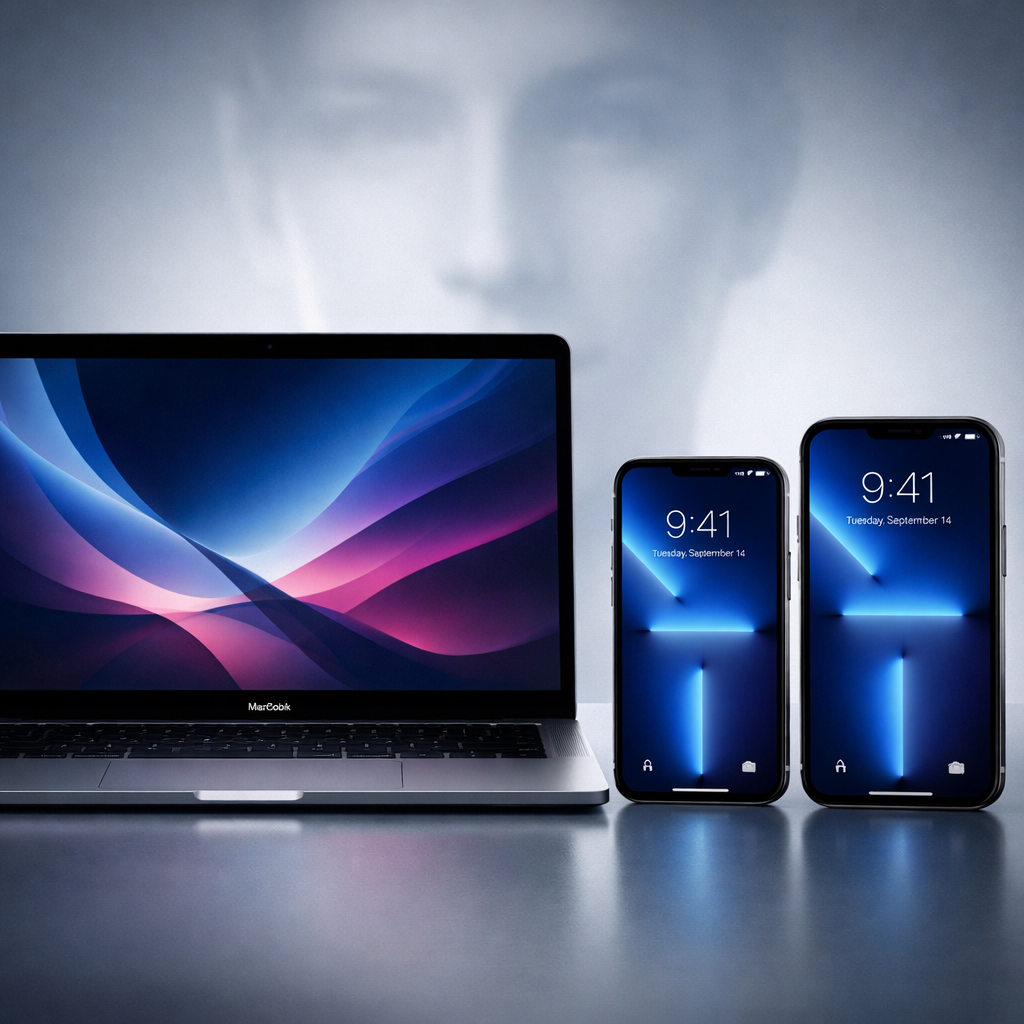
The argument for bringing face unlock to MacBooks and other Macs is straightforward: since Apple only needs a standard front camera, the feature could be implemented on existing hardware without significant redesigns. Users have long wanted Face ID for Macs—a request Apple has displayed interest in over the years via patents—but no official rollout has happened yet. Face unlock for Mac would offer users who prefer convenience over maximum security a selectable compromise.
In iOS 27.3, this move feels tailored to people who complained about the lack of Face ID on the Duo. Apple appears to be offering face unlock not as an alternative to Face ID, but as an option for lower-stakes use cases. By limiting what face unlock can do—no access for payments or protected apps—the company tries to mitigate risk while giving people more freedom in how they unlock their devices.
Face unlock isn’t perfect. Without depth sensing, it’s vulnerable to spoofing via 2D visuals. Even with its safeguards, it won’t be suitable in all contexts—especially where high security matters. Nonetheless, it signals Apple’s willingness to let users trade a bit of safety for speed and convenience.
Looking ahead, if Apple implements face unlock for Macs, watch for controls that let users turn it off in public or enable it only in trusted locations. The biggest question: whether Apple will maintain privacy and security boundaries that make Face ID the default for high-risk tasks, while expanding lower-security unlocking options. It’s a shift that mixes user choice with the ever-present tension in device security—and it could change how we think about unlocking our tech every day.