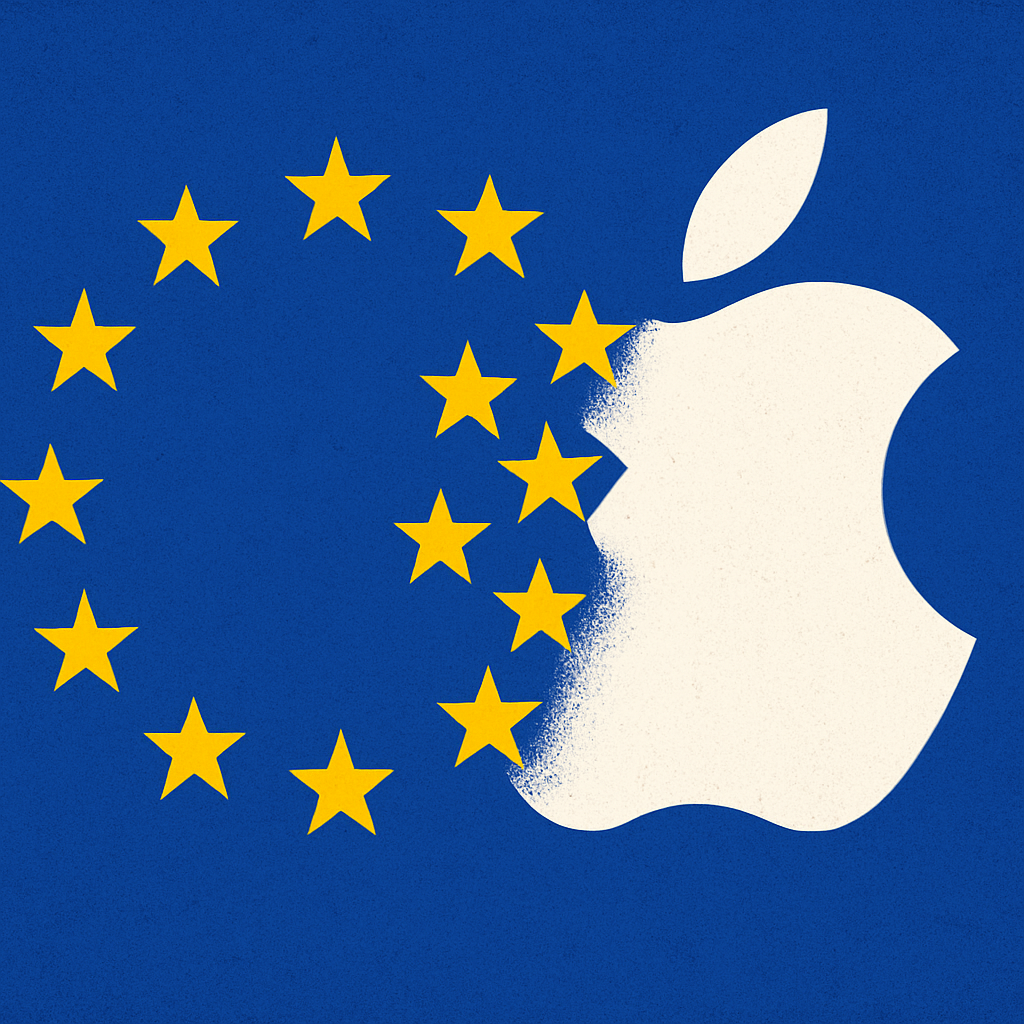
Apple’s recent adjustments to its App Store policies in the European Union (EU) could foreshadow similar changes in the United States. These modifications come in response to the EU’s Digital Markets Act (DMA), which mandates increased competition and consumer choice within digital marketplaces.
Historically, Apple has maintained strict control over its App Store ecosystem, including a 30% commission on in-app purchases. However, under the DMA, Apple is now required to permit alternative app stores and payment methods within the EU. This shift aims to reduce the company’s gatekeeper status and foster a more competitive environment.
In response, Apple has introduced new fee structures for developers in the EU. While the company still imposes certain charges, the overall commission rates have been reduced. This change is significant, as it reflects a departure from Apple’s longstanding revenue model and indicates a willingness to adapt to regulatory pressures.
These developments are not isolated to Europe. In the United States, Apple faces similar scrutiny from regulators and lawmakers who are advocating for increased competition in digital marketplaces. The company’s actions in the EU may serve as a precedent for potential changes in the U.S., especially as discussions around antitrust regulations continue to gain momentum.
For developers, these changes present both opportunities and challenges. Reduced commission rates can lead to increased revenue and the ability to offer more competitive pricing. However, navigating multiple app store platforms and payment systems may require additional resources and strategic planning.
Consumers stand to benefit from these developments through greater choice and potentially lower prices. The introduction of alternative app stores and payment methods can lead to a more diverse app ecosystem, catering to a wider range of preferences and needs.
As the digital marketplace continues to evolve, it is crucial for stakeholders to stay informed about regulatory changes and their potential impacts. Apple’s recent adjustments in the EU highlight the dynamic nature of the tech industry and underscore the importance of adaptability in the face of shifting regulatory landscapes.
Looking ahead, it will be important to monitor how these changes influence the broader app economy and whether similar regulatory measures will be implemented in other regions. The balance between fostering competition and maintaining a secure, user-friendly platform remains a key consideration for companies like Apple as they navigate this complex terrain.