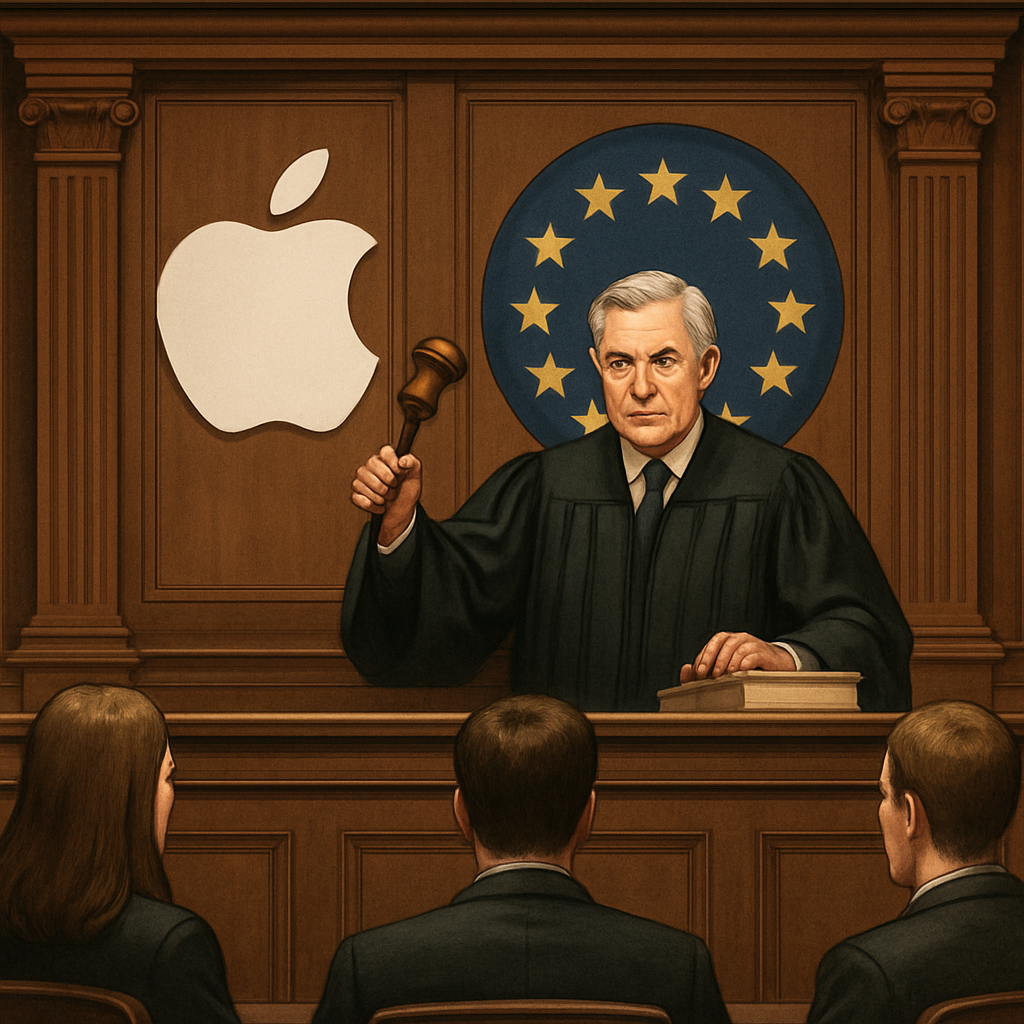
Apple has faced a significant legal setback in Europe, as the General Court of the European Union dismissed its appeal against the European Commission’s designation of the company as a ‘gatekeeper’ under the Digital Markets Act (DMA). This ruling mandates that Apple must adhere to stringent regulations aimed at fostering competition within the digital marketplace.
The DMA, enacted to curb the dominance of major tech companies, identifies ‘gatekeepers’ as entities that control access to essential digital platforms. Apple was classified as such due to its control over the iOS operating system and the App Store, which serve as primary gateways for developers to reach consumers. This designation imposes obligations on Apple to ensure fair competition, including prohibitions against favoring its own services over those of competitors and restrictions on combining personal data across different services.
In response to the court’s decision, Apple expressed concerns that the DMA’s requirements could compromise user privacy and security. A company spokesperson stated that the mandate threatens to erode decades of privacy and security protections, potentially exposing users to new risks. Apple has indicated its intention to continue advocating for the innovation and privacy that its European customers expect.
This ruling underscores the European Union’s commitment to enforcing competition laws within the tech industry. By upholding the gatekeeper designation, the EU aims to create a more level playing field, ensuring that smaller developers and competitors have fair access to essential digital platforms. This decision may also set a precedent for future regulatory actions against other tech giants operating within the EU.
For consumers, this development could lead to increased choices and potentially lower prices, as enhanced competition often drives innovation and better services. However, it also raises questions about how companies like Apple will balance regulatory compliance with maintaining the quality and security of their platforms.
As Apple considers its next steps, including a possible appeal to the Court of Justice of the European Union, the tech industry will be closely watching how this case influences the broader regulatory landscape. The outcome may have far-reaching implications for how digital markets operate and how major tech companies engage with both regulators and consumers in the future.