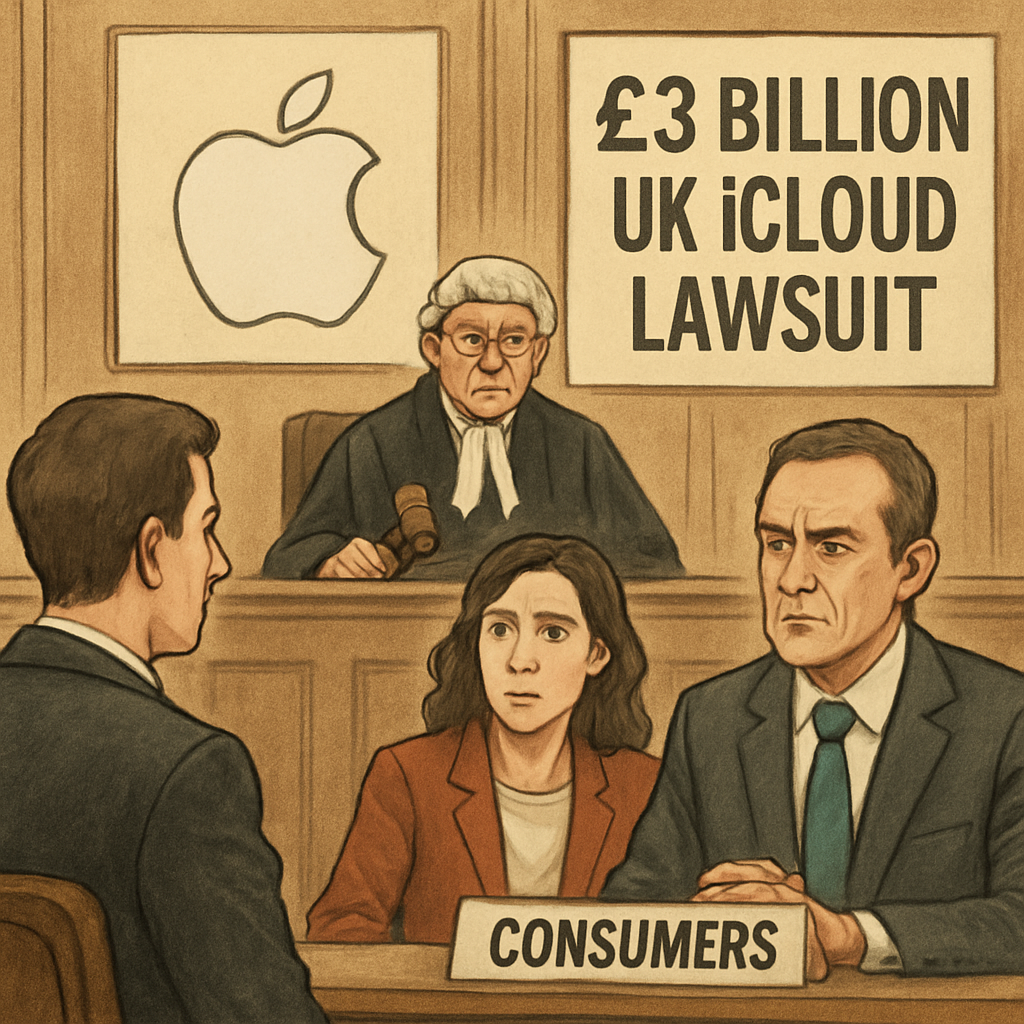
Apple is set to face a £3 billion ($3.9 billion) class action lawsuit in the UK, alleging that the company overcharged iCloud users by restricting competition and inflating subscription prices. The Competition Appeal Tribunal has certified the case, allowing it to proceed to trial in October 2028.
The lawsuit, initiated by consumer advocacy group Which?, represents approximately 40 million UK iPhone and iPad users. If successful, each claimant could receive up to £77 in compensation. Which? contends that since 2015, Apple has limited the functionality of rival cloud services on its devices, effectively locking consumers into using iCloud. This alleged practice has purportedly enabled Apple to charge higher subscription fees, with UK pricing ranging from 99p per month for 50GB to £54.99 per month for 12TB of storage.
Which? filed the claim in November 2024, asserting that Apple’s actions constitute an abuse of its dominant market position. Anabel Hoult, the chief executive of Which?, emphasized the importance of holding powerful companies accountable for anti-competitive behavior. She stated that the tribunal’s decision brings consumers closer to obtaining the redress they deserve and serves as a warning to other companies employing similar tactics.
Apple has dismissed the allegations as unfounded, arguing that iCloud usage is optional and that alternative cloud storage services are available to consumers. The company has expressed strong disagreement with the tribunal’s decision and plans to appeal.
Eligibility for the claim includes individuals who used iCloud on a UK device between November 8, 2018, and June 8, 2026. UK residents as of June 8 are automatically included unless they opt out by October 8, while non-UK residents from that date must opt in by the same deadline. Users who began using iCloud after June 8, 2026, are excluded from the claim.
This case underscores the growing scrutiny of tech giants’ business practices, particularly concerning market dominance and consumer choice. The outcome could have significant implications for how companies integrate and promote their services within their ecosystems, potentially leading to increased regulatory oversight and changes in how digital services are offered to consumers.