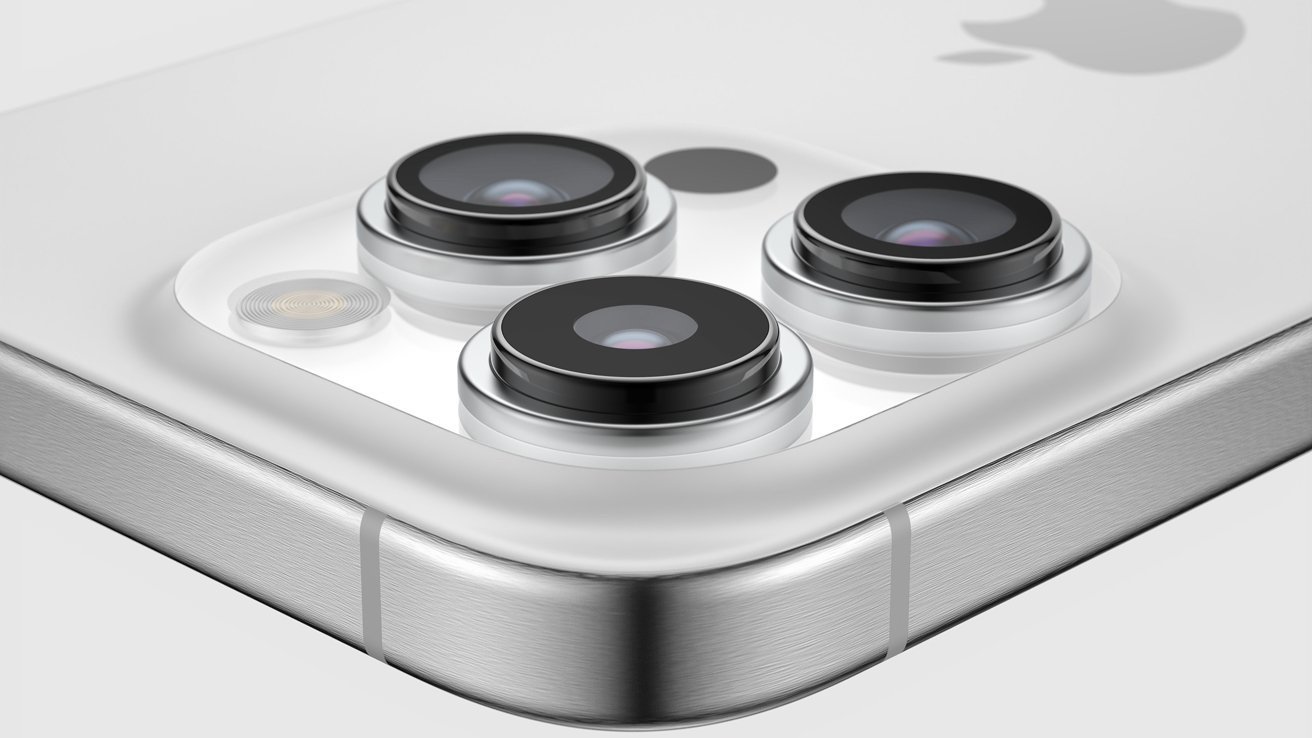
Apple’s 200MP iPhone Camera: Development Still in Early Stages
Recent discussions have emerged regarding Apple’s potential integration of a 200-megapixel (MP) camera into future iPhone models. While some reports suggest this advancement could debut in the 2028 iPhone lineup, current information indicates that Apple has not yet commenced prototype testing for such a high-resolution camera.
A notable source, Digital Chat Station, shared on Weibo that Apple is still in the preliminary phases of this project, focusing primarily on material testing. This stage involves evaluating various components and materials to determine their suitability for the proposed camera system. Given that a 2028 release is still several years away, it’s reasonable that prototype development has not yet begun.
In the interim, Apple’s engineering teams are concentrating on enhancing the current camera technology. The upcoming 2026 iPhone series is expected to feature a 48MP camera system with a variable aperture. This design allows for adjustments in the aperture size, enabling better control over light intake and depth of field, which can significantly improve image quality in varying lighting conditions.
The concept of a 200MP camera in smartphones is not unprecedented. Competitors like Samsung have already introduced models equipped with such high-resolution sensors. For instance, the Samsung Galaxy S24 Ultra, released in January 2024, boasts a 200MP main camera, showcasing the industry’s shift towards higher megapixel counts. However, it’s essential to note that a higher megapixel count doesn’t always equate to better image quality. Factors such as sensor size, pixel quality, and image processing algorithms play crucial roles in determining the final output.
Apple’s approach to camera development has traditionally emphasized a balance between hardware capabilities and software optimization. The company’s focus on computational photography has led to features like Smart HDR and Deep Fusion, which enhance image quality without solely relying on hardware specifications. This strategy suggests that while a 200MP camera could be in Apple’s future plans, the company will likely ensure that such an upgrade aligns with its overall vision for user experience and image quality.
Moreover, integrating a 200MP sensor presents several challenges. Larger sensors require more space, which can impact the device’s design and ergonomics. Additionally, higher-resolution images demand more processing power and storage capacity. Apple would need to address these considerations to maintain the sleek design and efficient performance that users expect from iPhones.
In conclusion, while the prospect of a 200MP camera in future iPhones is intriguing, current developments indicate that such an advancement is still in the early stages. Apple’s immediate focus remains on refining existing camera technologies, with significant upgrades anticipated in the 2026 models. As always, the company’s commitment to delivering a seamless and high-quality user experience will guide its decisions in adopting new hardware innovations.