Revitalizing HomeKit: A Call for Stability and Reliability at WWDC 2026
As Apple gears up for its Worldwide Developers Conference (WWDC) on June 8, 2026, the tech community is abuzz with anticipation over potential announcements. While many expect advancements in Apple Intelligence and Siri, there’s a growing chorus of users yearning for improvements in a different arena: the HomeKit ecosystem.
The Current State of HomeKit
HomeKit, Apple’s smart home framework, was introduced in 2014 with the promise of creating a seamless, secure, and user-friendly smart home experience. Over the years, it has expanded to support a variety of devices, from smart bulbs to thermostats. However, despite its growth, many users report persistent issues that hinder its reliability and usability.
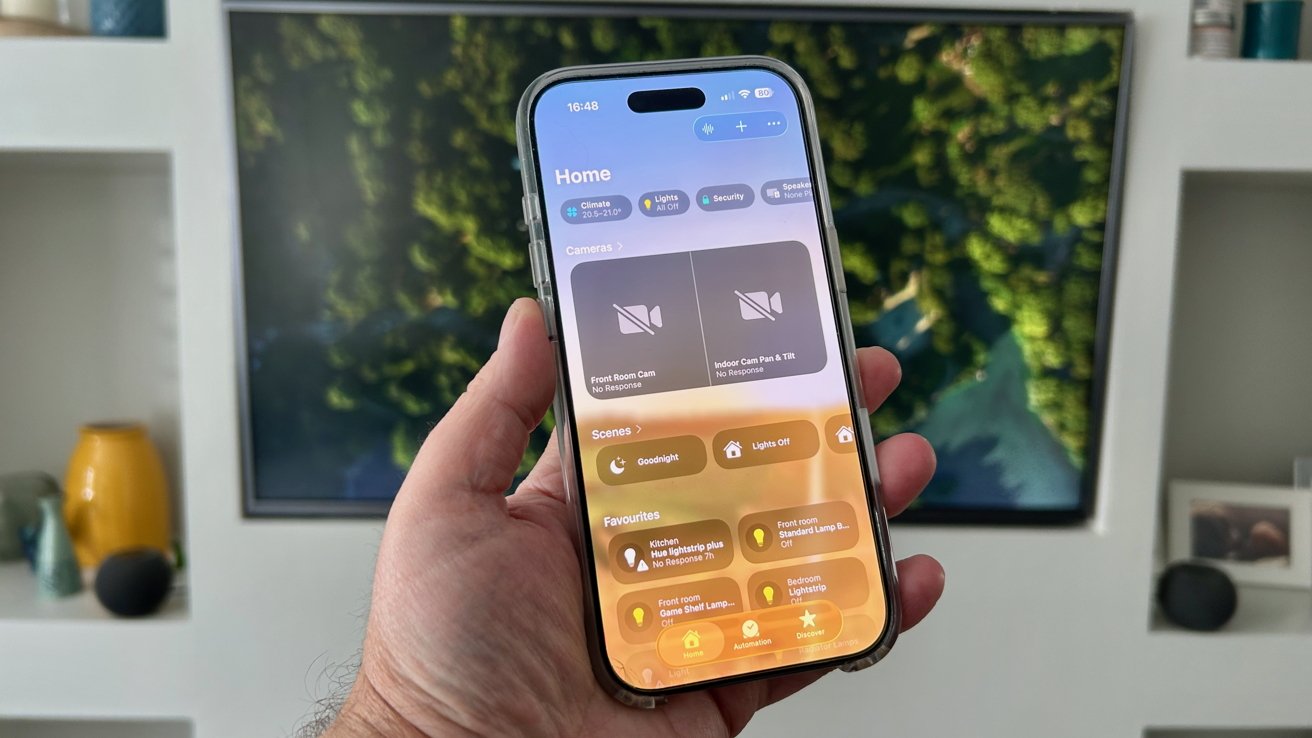
One of the primary concerns is the inconsistency of the Home app, which serves as the central hub for HomeKit devices. Users often encounter the dreaded No Response error, where devices become unresponsive without clear cause. This unpredictability undermines the convenience that smart home technology aims to provide.
The Home App: A Frustrating Experience
The Home app is available across multiple Apple devices, including the iPhone, iPad, Mac, Apple Watch, and Apple Vision Pro. Its widespread availability underscores its importance in the Apple ecosystem. However, its performance leaves much to be desired.
Users report that the app often fails to control devices effectively. For instance, attempting to adjust lighting or interact with HomePods and Apple TV 4K units can be an exercise in frustration. The app’s interface is also criticized for being unintuitive, with essential features buried under layers of menus.
Under the Hood: HomeKit’s Technical Challenges
At its core, HomeKit relies on the HomeKit Accessory Protocol (HAP) to communicate between devices. This protocol facilitates the exchange of messages that control device states and actions. However, the system’s reliance on constant communication means that any disruption can lead to devices becoming unresponsive.
Even in homes with robust Wi-Fi networks, these communication issues persist. The introduction of hubs, such as the Apple TV 4K and HomePod, was intended to stabilize the system by centralizing control. Yet, users find that the selection of which device acts as the hub can be arbitrary, leading to further instability.
The Promise of Matter and Thread
In recent years, Apple has embraced new technologies like Matter and Thread to enhance interoperability and reliability within the smart home ecosystem. Matter aims to create a unified standard for smart home devices, allowing them to work seamlessly across different platforms. Thread, on the other hand, is a low-power, mesh networking protocol designed to improve device connectivity and responsiveness.
While these advancements are promising, their integration into HomeKit has been gradual. Users are hopeful that a more aggressive adoption of these standards could address many of the current issues plaguing the system.
A Plea for Stability and Reliability
As WWDC 2026 approaches, the focus for many users isn’t on the latest AI features or Siri enhancements. Instead, there’s a collective desire for Apple to prioritize the stability and reliability of the HomeKit ecosystem.
Smart home technology is meant to simplify daily life, but when systems are unreliable, they can cause more frustration than convenience. Users are calling on Apple to address these foundational issues, ensuring that HomeKit delivers on its original promise of a seamless and dependable smart home experience.
Looking Ahead
The potential for HomeKit is vast. With a robust and reliable foundation, it can serve as the cornerstone of the modern smart home. By focusing on the core issues and leveraging new technologies like Matter and Thread, Apple has the opportunity to redefine the smart home experience.
As the tech world turns its eyes to WWDC 2026, the hope is that Apple will heed the calls of its user base and make HomeKit’s stability and reliability a top priority.