Apple’s Partial Victory in EU Trademark Dispute Over Citrus-Shaped Logo
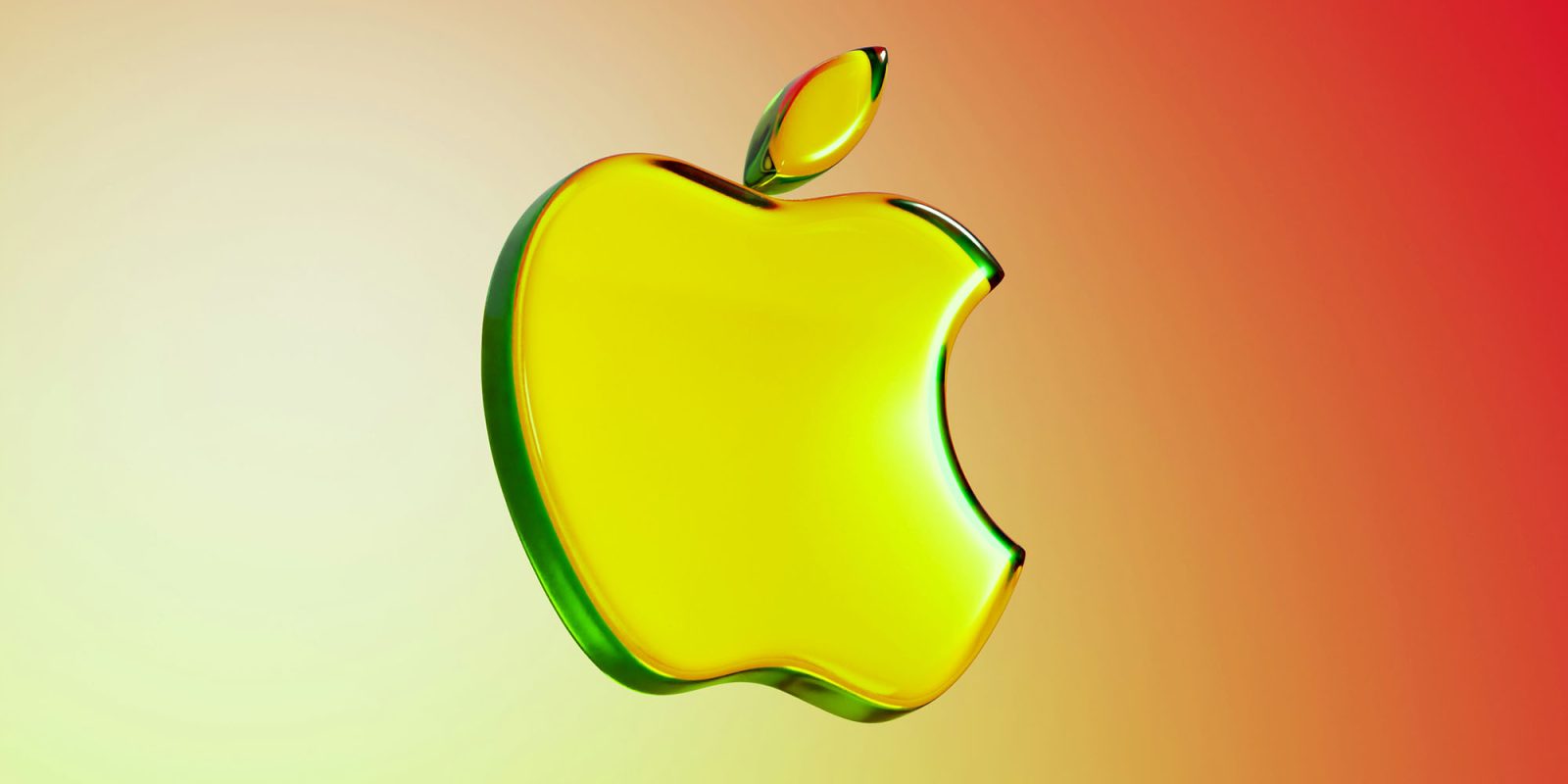
In a recent ruling by the European Union Intellectual Property Office (EUIPO), Apple Inc. achieved a partial victory in its opposition to a trademark application filed by Chinese company Yichun Qinningmeng Electronics. The dispute centered around Yichun’s citrus-shaped logo, which Apple argued bore a resemblance to its own iconic emblem.
Background of the Dispute
The contention began in July 2025 when Yichun Qinningmeng Electronics sought to register a logo depicting a round citrus fruit with a left-pointing leaf, a missing section on its right side, lower segments resembling keyboard keys, and upper segments reminiscent of sunbeams. Apple contended that these elements closely mirrored its own logo, particularly concerning products related to computers and electronics.
EUIPO’s Decision
After reviewing the case, the EUIPO concluded that Yichun’s logo could potentially benefit from the reputation of Apple’s trademark within the European Union. Consequently, the EUIPO rejected Yichun’s application to register the logo for keyboards and other computer-related products. However, the application was upheld for solar panels, as the EUIPO determined that Apple’s trademark reputation did not extend to this category.
Legal Considerations
The EUIPO’s decision was based on several factors:
– Similarity of Signs: The EUIPO assessed the visual similarities between the two logos and found them to be minimal. However, the potential for association between the marks was considered significant in the context of computer-related goods.
– Reputation of Apple’s Trademark: Apple demonstrated a high degree of reputation among the relevant public in the European Union for computer-related goods. This reputation was a key factor in the EUIPO’s decision to reject Yichun’s application for similar products.
– Risk of Unfair Advantage: The EUIPO determined that the use of Yichun’s logo on computer-related products could take unfair advantage of, or be detrimental to, the distinctive character or repute of Apple’s earlier trademark.
– Absence of Due Cause: Yichun did not provide any justification for the use of the contested mark, leading the EUIPO to assume that no due cause existed.
Implications for Trademark Law
This case underscores the importance of trademark protection and the challenges companies face in safeguarding their brand identities. The EUIPO’s decision highlights the necessity for businesses to ensure that their trademarks do not infringe upon or dilute the reputation of existing marks, especially those with established recognition.
Conclusion
Apple’s partial victory in this trademark dispute reinforces the company’s commitment to protecting its brand identity. While the decision allows Yichun to use its citrus-shaped logo for solar panels, it sets a precedent for the careful consideration required when designing logos for products in markets where established trademarks hold significant reputation.