Apple’s Legal Victory: EU Blocks Citrus-Inspired Logo Over Trademark Concerns
In a recent legal development, Apple Inc. has successfully challenged a trademark application in the European Union, asserting that the proposed logo bore a resemblance to its iconic apple emblem. This case underscores Apple’s proactive stance in safeguarding its brand identity against potential infringements.
The Dispute at a Glance
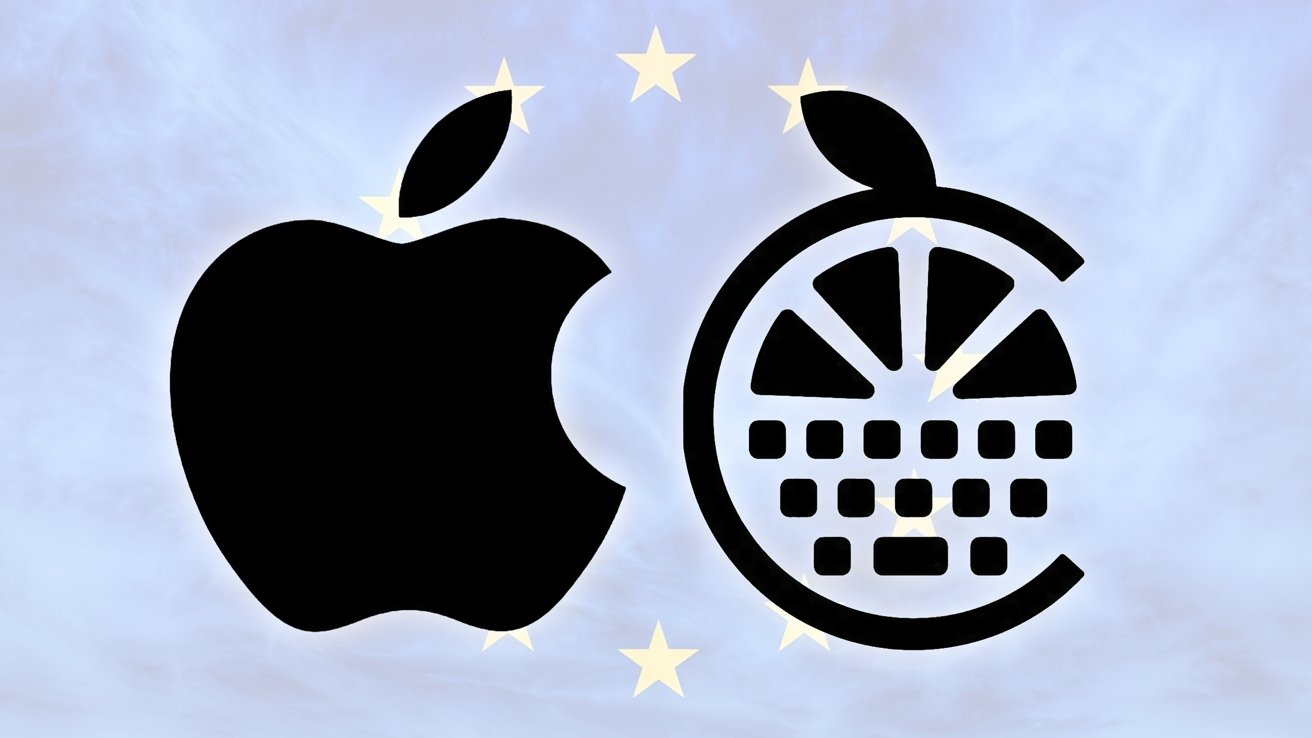
The contention arose when Yichun Qinningmeng Electronics Co., a Chinese keyboard manufacturer, sought to register a logo featuring a circular citrus fruit with a single leaf atop and a segment removed on the right side. The interior of the fruit displayed segments and squares, reminiscent of keyboard keys. Apple contended that this design closely mirrored its own logo—a stylized apple with a leaf and a bite taken out—potentially leading to consumer confusion.
EUIPO’s Evaluation and Decision
The European Union Intellectual Property Office (EUIPO) assessed the visual similarities between the two logos. While acknowledging that the citrus design primarily resembled an orange due to its circular shape and segment-like features, the EUIPO recognized a minimal degree of visual similarity to Apple’s logo. Crucially, the EUIPO considered Apple’s substantial reputation within the EU, determining that consumers might associate the citrus logo with Apple, thereby creating a mental link between the two brands.
Consequently, the EUIPO partially upheld Apple’s objection, preventing Yichun Qinningmeng from using the contested logo for computer-related products within the EU. However, the ruling permitted the logo’s use in connection with solar panels, indicating a nuanced approach to the trademark dispute.
Apple’s History of Trademark Vigilance
This case is not an isolated incident; Apple has a history of actively defending its trademarks:
– Norwegian Progress Party (2019): Apple objected to the party’s logo, which featured an apple with an F motif, arguing potential brand confusion.
– Fruit Union Suisse (2023): Apple engaged in a prolonged dispute with the Swiss organization over its red apple logo adorned with a white cross, a design the union had used for decades.
– Prepear App (2020): Apple challenged the pear-shaped logo of the Prepear app, leading to a revised design following settlement discussions in 2021.
These instances highlight Apple’s commitment to protecting its brand identity, even when disputes involve other fruit representations.
Implications for Brand Protection
Apple’s proactive legal actions serve as a reminder of the importance of brand protection in a competitive marketplace. Companies must remain vigilant in monitoring potential infringements to maintain their brand’s integrity and consumer trust. This case also illustrates the complexities involved in trademark law, where visual similarities and brand reputation play critical roles in legal determinations.
Conclusion
Apple’s recent success in the EU trademark dispute reinforces its dedication to preserving its brand identity. By challenging logos that bear even minimal resemblance to its own, Apple underscores the significance of distinctive branding and the lengths to which companies will go to protect their intellectual property.