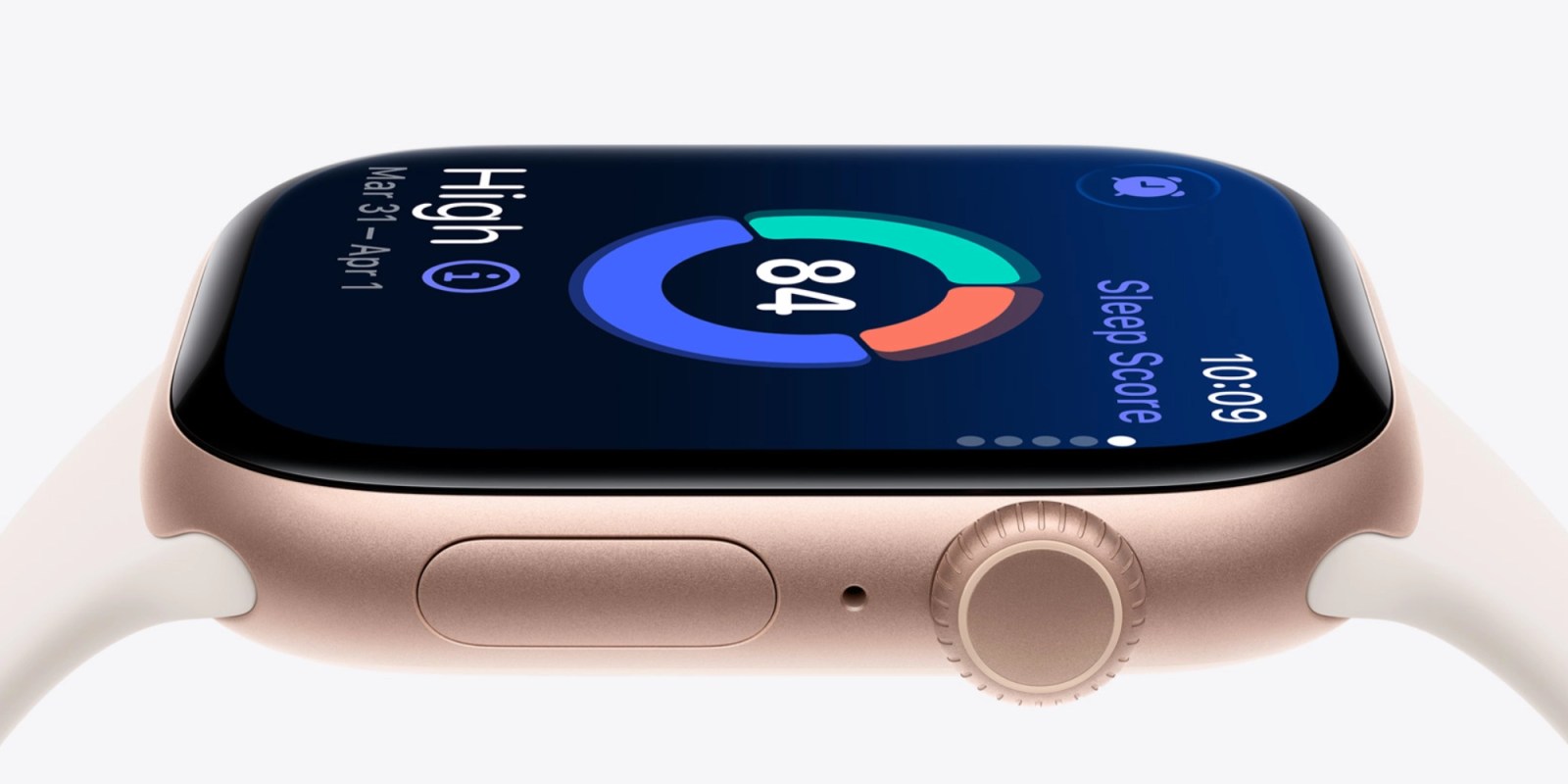
Apple Watch Sleep Data Illuminates Perimenopause Sleep Disruptions
Harvard researchers have recently unveiled findings from an extensive study analyzing over 94,000 nights of sleep data collected via Apple Watch. This research aims to shed light on the sleep pattern changes women experience during perimenopause.
Comprehensive Analysis of Sleep Data
The study utilized data from 338 participants aged between 25 and 59, with a significant majority falling within the 45 to 59 age bracket. These individuals were part of the Apple Women’s Health Study, a collaborative effort involving Apple and esteemed institutions such as Harvard T.H. Chan School of Public Health, Brigham and Women’s Hospital, the American Heart Association, and the University of Michigan. Launched in 2019, this initiative has grown to encompass over 350,000 participants across the United States.
Key Findings on Sleep Disruptions
The analysis revealed that in the year preceding and following the final recorded menstrual period, many participants experienced increased nighttime awakenings. Specifically, during the 18 months leading up to menopause, 60% of women exhibited a 7% average increase in Wake After Sleep Onset (WASO) compared to the previous six months. Furthermore, in the year before and after the last menstrual period, participants spent approximately 0.8% more of their sleep time awake post-menopause.
Individual Variations and Symptom Correlations
It’s crucial to note the variability among participants. While some experienced significant increases in nighttime awakenings, others reported minimal to no changes. Additionally, participants documented other menopausal symptoms, with 82.3% reporting hot flashes, 68.1% experiencing irritability, 65.7% facing mental exhaustion, and 65.6% noting sexual symptoms. Notably, severe bladder issues, joint discomfort, heart-related symptoms, and depressive episodes were closely linked to poorer sleep quality.
Recommendations for Improved Sleep During Perimenopause
Based on these insights, researchers have proposed several strategies to enhance sleep quality during perimenopause:
– Maintain a Cool Sleeping Environment: Keeping the bedroom at a comfortable, cool temperature can help mitigate night sweats and hot flashes.
– Establish a Consistent Sleep Schedule: Going to bed and waking up at the same time daily can regulate the body’s internal clock.
– Engage in Regular Physical Activity: Incorporating exercise into daily routines can promote better sleep patterns.
– Limit Bladder Irritants and Evening Fluids: Reducing intake of caffeine, alcohol, and other bladder irritants, especially in the hours leading up to bedtime, can decrease nighttime awakenings.
– Incorporate Relaxation Techniques: Practicing mindfulness, meditation, or other relaxation methods before bed can prepare the body for restful sleep.
Broader Implications and Future Research
This study underscores the potential of wearable technology, like the Apple Watch, in providing valuable data for large-scale health research. By continuously monitoring physiological metrics, these devices offer real-time insights into health patterns, facilitating early interventions and personalized healthcare strategies.
Moreover, the findings highlight the importance of individualized approaches to managing perimenopausal symptoms. Given the variability in experiences, personalized treatment plans that consider the unique needs and symptoms of each woman are essential.
Future research could expand on these findings by exploring the effectiveness of various interventions in improving sleep quality during perimenopause. Additionally, studies could investigate the role of other factors, such as diet, stress levels, and genetic predispositions, in influencing sleep patterns during this transitional phase.
Conclusion
The integration of wearable technology in health research offers unprecedented opportunities to understand complex physiological changes, such as those occurring during perimenopause. By leveraging data from devices like the Apple Watch, researchers can develop more effective strategies to support women’s health during midlife transitions.