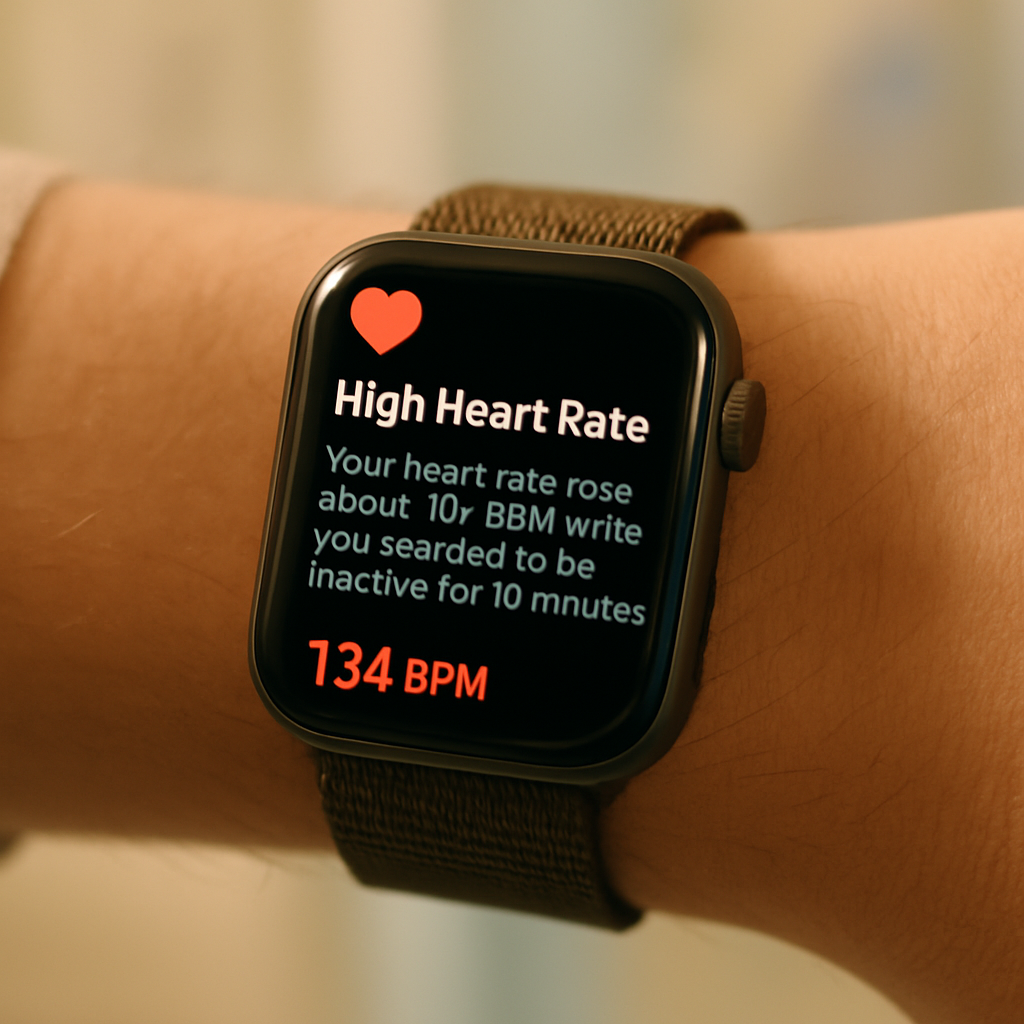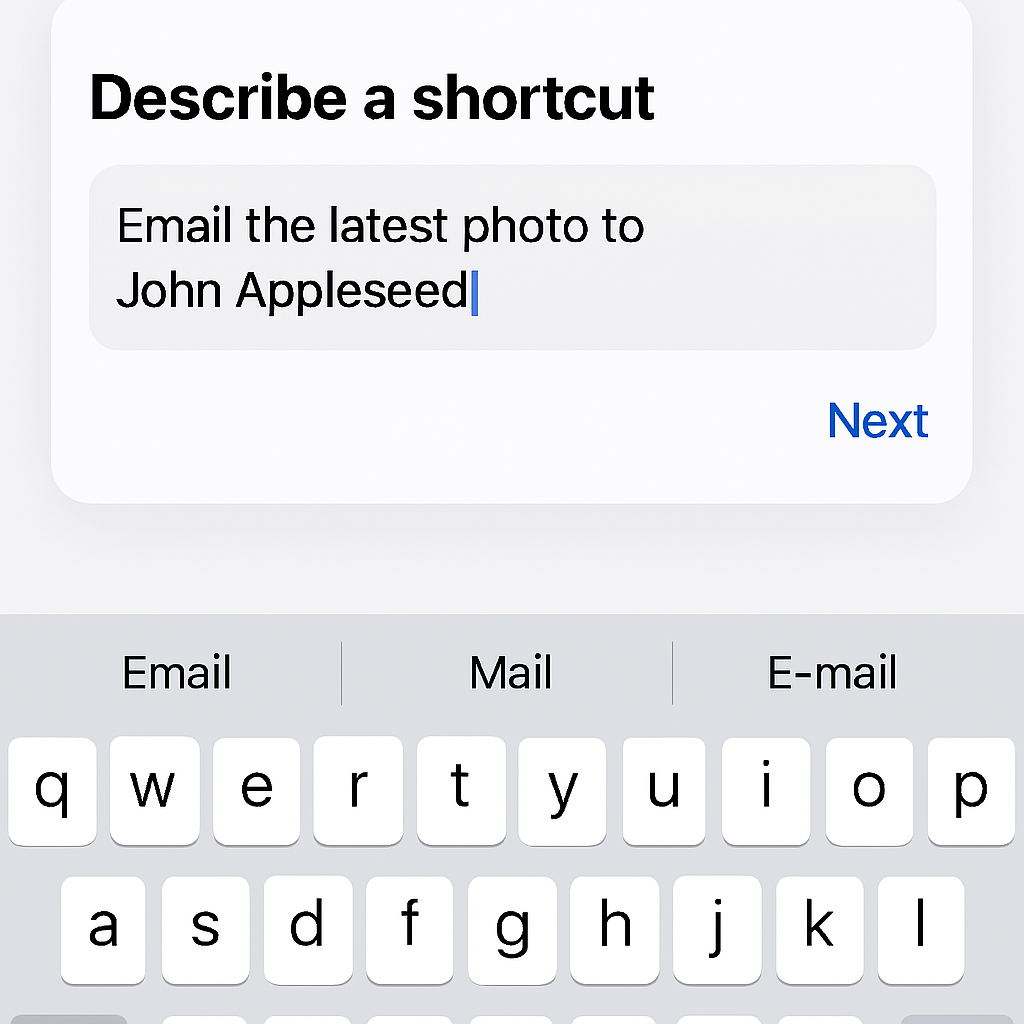
One week after spending time with the Apple Watch Series 12, it’s clear this upgrade goes well beyond surface features. Alongside the headline additions like Siri Recap and an enhanced heart rate monitor, the daily experience reveals a number of subtle but meaningful improvements that change how the watch fits into life.
Battery, Charging, and Everyday Reliability
Apple doesn’t claim any major battery life extension for the Series 12 compared to its predecessor, but in practice the difference is noticeable. In contrast to my Series 11, where tracking sleep meant wrestling with charging windows in the evening and morning, the Series 12 comfortably gets through a full day and night without needing a middle-of-the-night top-up. Charging speed has also been bumped up—15 minutes plugged in delivers around twelve hours of real-world usage. These changes have eased the typical “will-it-last?” anxiety around overnight tracking.
Under the hood is the new S11 chip, which carries over design cues from Apple’s A20 Pro architecture. It feels speedier, especially when interacting with voice commands or navigating deeper app layers—everything feels more responsive across the board. This jump in performance is a crucial piece of what makes the Series 12 feel like more than just another incremental update.
Software Tweaks That Make a Difference
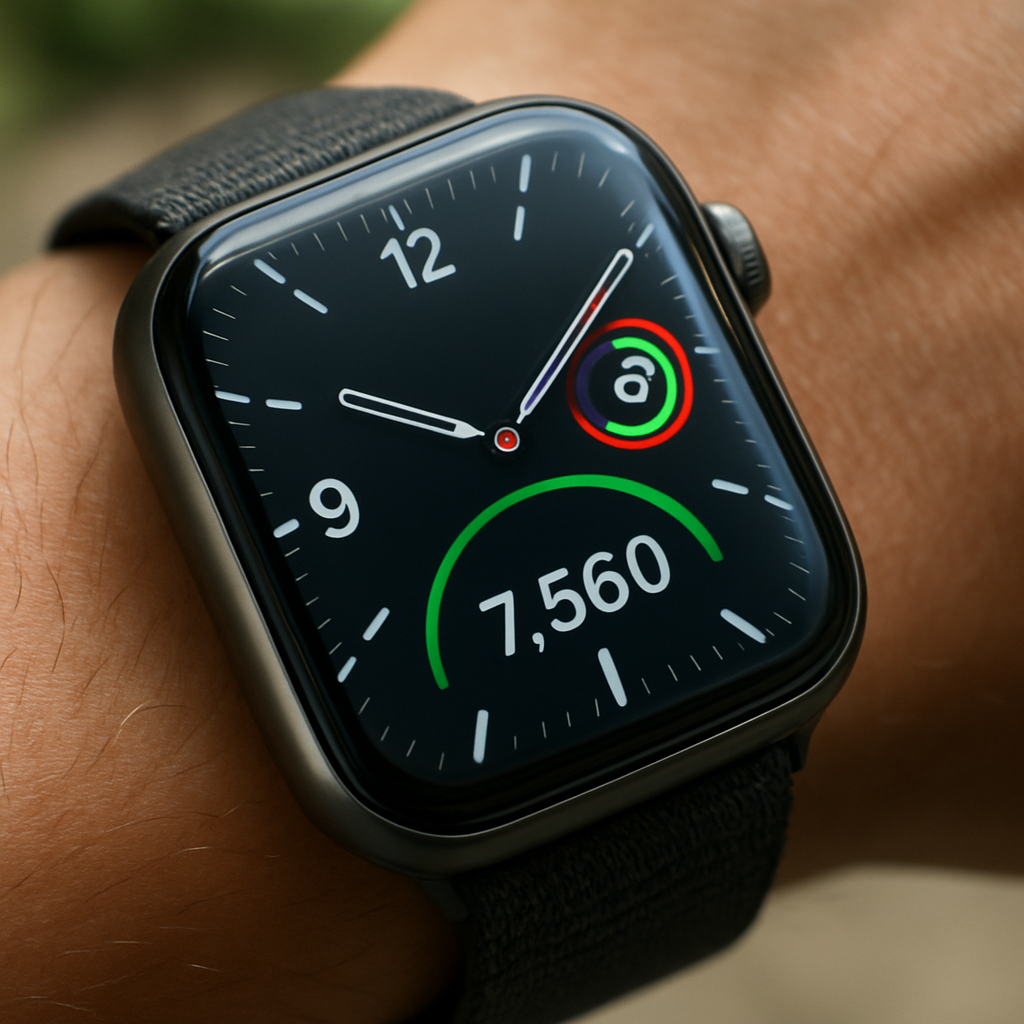
Software-wise, the Series 12 introduces some fresh tools that weren’t available before. A dedicated step-counter complication now lives in the Smart Stack. Previously, step data was visible but less prominent; now it’s front and center. While older models might have the data, the complication is exclusive to the Series 12.
Another addition is the Readiness app, which aggregates sleep quality, activity levels, and vitals to give you a sense of how rested and recovered you are on any given day. The concept echoes existing recovery tools like those on fitness wearables, but the execution on the Series 12 feels tighter. Its reliance on accurate data helps explain why the feature is restricted to this model.
Design, Build Features, and Long-Term Impressions
Visually, the bezels are a bit thicker than on the recent past—Series 10 and 11—but the difference isn’t glaring unless you’re using faces with dark backgrounds. One noteworthy upgrade for durability: aluminum versions of the Series 12 now use Ceramic Shield 2. That should offer better scratch resistance, though after a week there are no obvious signs of damage either way.
Overall, this feels like one of the stronger “S” year updates. It isn’t just cosmetics or a few small tweaks—battery, chip, software, and durability all combine to shift what everyday use feels like.
This matters because wearables often struggle to innovate meaningfully year over year. The Series 12 shows Apple is still pushing forward in ways that affect daily life—not just launching new features for feature’s sake, but actually fine-tuning what’s already in your hands. What to watch: whether newer models can maintain or exceed this pace of improvement, especially in durability and battery sustainability over longer periods.