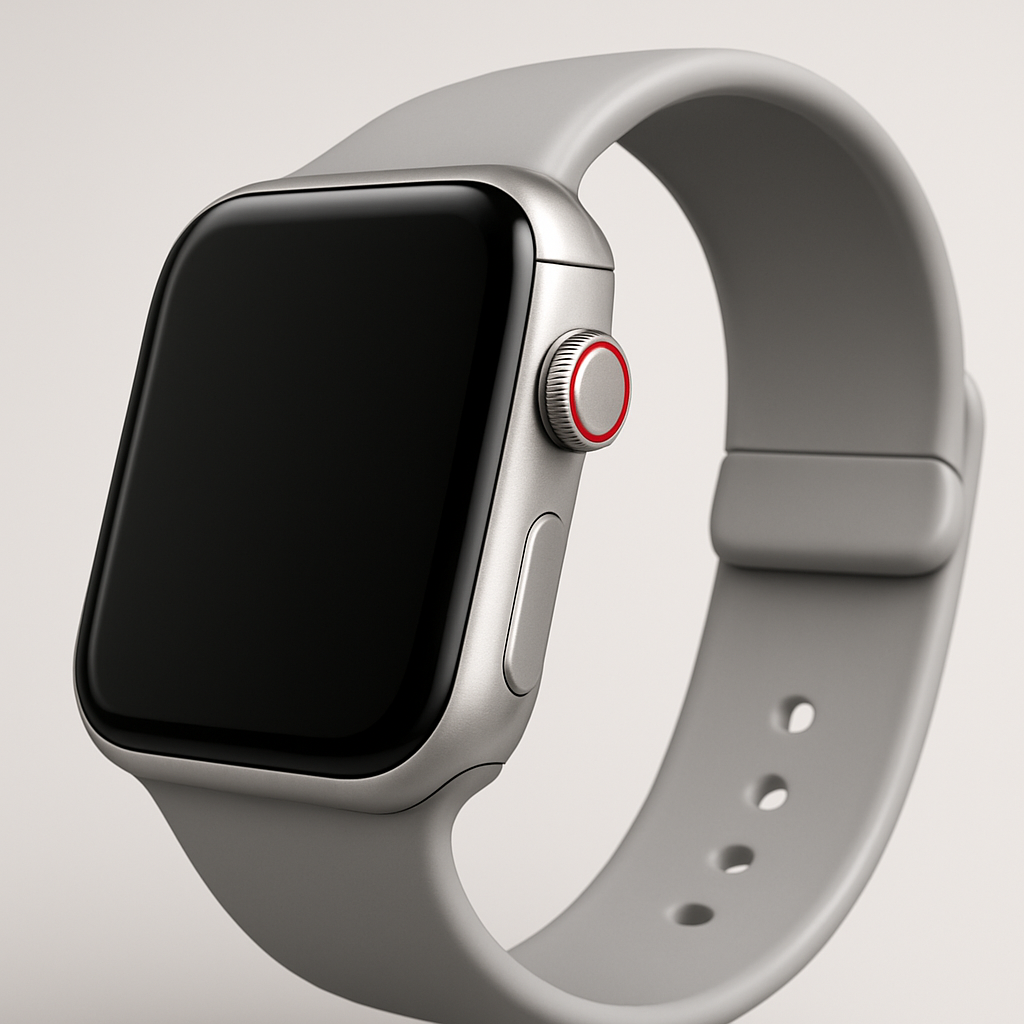
Recent reports suggest that Apple is planning a significant redesign of the Apple Watch, potentially altering the way bands attach to the device. This change could render existing bands incompatible with future models.
Since its debut in 2015, the Apple Watch has maintained a consistent band attachment system, allowing users to interchange bands across different models. This design has fostered a robust market for both official and third-party bands, with some users investing heavily in their collections. However, the current attachment mechanism occupies substantial internal space within the watch’s casing.
By modifying the band attachment system, Apple aims to free up internal space, which could be utilized for a larger battery or other components. This adjustment may lead to a thinner watch design, aligning with consumer preferences for sleeker devices. However, such a change would likely disrupt compatibility with existing bands, a move that could disappoint users who have accumulated various bands over the years.
Historically, Apple has prioritized backward compatibility to enhance user experience and protect customer investments. For instance, bands designed for 38mm, 40mm, and 41mm cases have remained compatible with each other, as have bands for 42mm, 44mm, and 45mm cases. The potential shift away from this compatibility raises questions about the company’s future approach to accessory design.
While the prospect of a slimmer Apple Watch with enhanced battery life is appealing, the potential loss of band compatibility presents a dilemma for long-time users. Balancing innovation with user investment will be crucial for Apple as it considers this redesign.