Apple quietly ushered in a new era of smart home tech today by revealing three core updates: the Apple HomeViewhub, HomePod mini 2, and a fourth-generation Apple TV 4K. Though there was no big keynote, the products significantly refresh Apple’s home ecosystem through upgraded hardware and deeper integration of Siri AI. The full lineup is now available for preorder, with staggered release dates later this fall.
HomeView: An AI-Smart Hub for Every Room
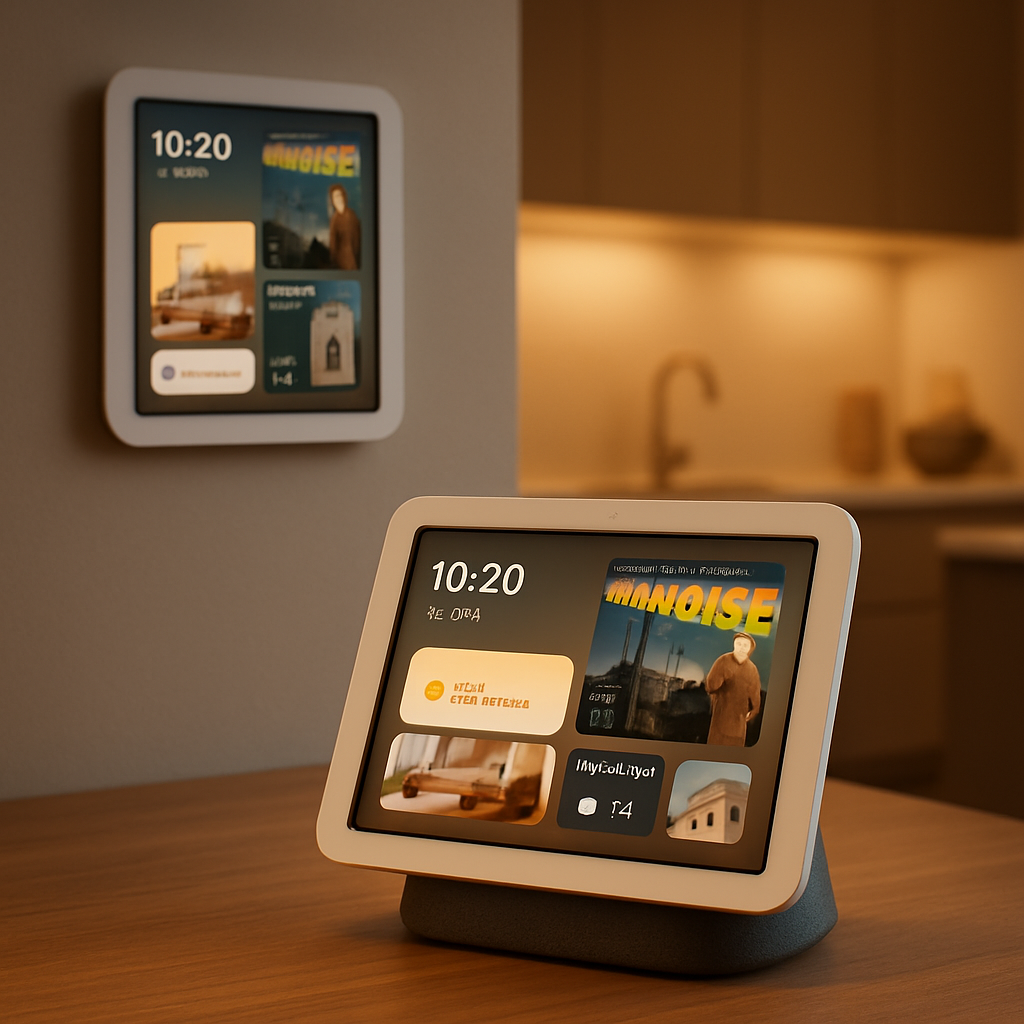
The new HomeView takes on the role of a shared smart home center with a 7-inch Liquid Retina display. Powered by an A18 chip with Apple Intelligence and Siri AI, it’s built to deliver face-recognized, personalized content for up to six individuals. HomeView users get separate Home Screens, widgets, apps, and secure, private access to personal items like Messages and Calendar. Shared content—photos, music—is still accessible to all, including guests. Privacy is baked in via features including local facial recognition, secure paired device checks, and hardware protections in the form of Secure Exclaves.
Visually and functionally designed for flexibility, HomeView comes in two variants: a tabletop model with a domed base and a wall-mounted version. The tabletop type includes four speakers—two full-range drivers built into the display, a down-firing woofer, and passive radiators in the base—for richer, bass-heavy sound along with Spatial Audio and computational tuning. The wall-mounted model uses dedicated drivers tuned for wall placement, forgoing the base-incorporated hardware. Microphone hardware consists of a four-mic beamforming array, enabling voice capture across the room and improved background noise reduction, useful for both Siri and FaceTime calls.
Upgrades for Apple TV 4K and HomePod mini
The refreshed Apple TV 4K keeps its role as the high-end media streamer but steps up in performance and features. It now runs on Apple’s faster A19 chip, includes far-field microphones for hands-free Siri interaction, more internal storage, and adopts Wi-Fi 7 for better network speed and reliability. A new Siri Remote is part of the package, and existing Apple TVs will also receive Siri AI support in time.
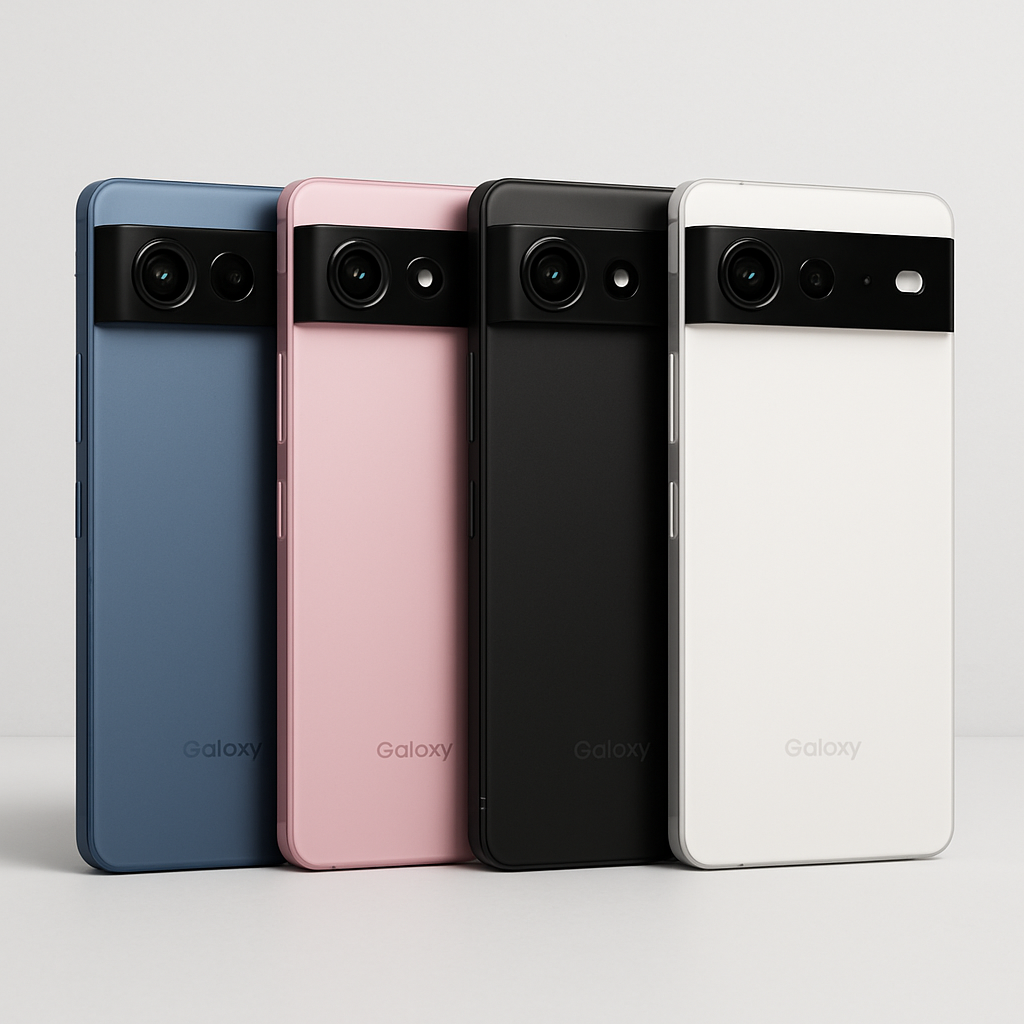
Meanwhile, the HomePod mini gets an upgrade to chip S10, updated internal acoustics, and new color options. Critically, all three devices—HomeView, the new Apple TV 4K, and HomePod mini 2—are slated to support Siri AI. Preorders are already open; HomePod mini 2 ships October 30, while HomeView and the new Apple TV 4K land on November 13.
Privacy & Compatibility Highlights
Privacy continues as a cornerstone. HomeView’s Secure Exclaves segregate camera and microphone data so that nothing—even Apple or installed apps—can access raw audio or visual feeds beyond what’s strictly necessary. Siri AI processing may happen locally or via Private Cloud Compute—always with safeguards to prevent storing or exposing private data. These protections extend to personal content access: users must be facially recognized and have their paired iPhone or iPad recently unlocked and on the same Wi-Fi network.
On the compatibility front, HomeView works seamlessly with existing Apple smart home infrastructure. It supports multi-room audio (with HomePod, HomePod mini, and AirPlay-compatible speakers), and lets users pass audio from iPhones via Handoff by placing them near the display. The HomeView is compatible with third-party audio and video apps (via your iPhone/iPad), plus home accessories from Apple’s new Home Collection and Apple-certified works with Home and Matter products. Siri AI support is initially English-only, and the device won’t be available in the European Union at launch.
Price for each of the new devices is set at $299 in the U.S.—both HomeView models (tabletop and wall-mounted) and the Apple TV 4K. Color options include silver, starlight, rose pink, space gray, with the wall version limited to silver and space gray. Retail availability will begin through Apple’s online store, the Apple Store app, and select partners.
This rollout places Apple firmly in the smart home spotlight—driving toward a future where homes are more integrated, more responsive, and perhaps more private than users expect. Siri AI isn’t just a voice assistant here—it’s the connective tissue tying together audio, video, smart accessories, and personal context. For users, these updates could mean finally consolidating many gadgets into fewer, smarter devices. For Apple, the risk will be whether the hardware, pricing, and regional restrictions limit adoption. Watch closely to see how well these devices deliver on their promises once they’re in homes this fall.