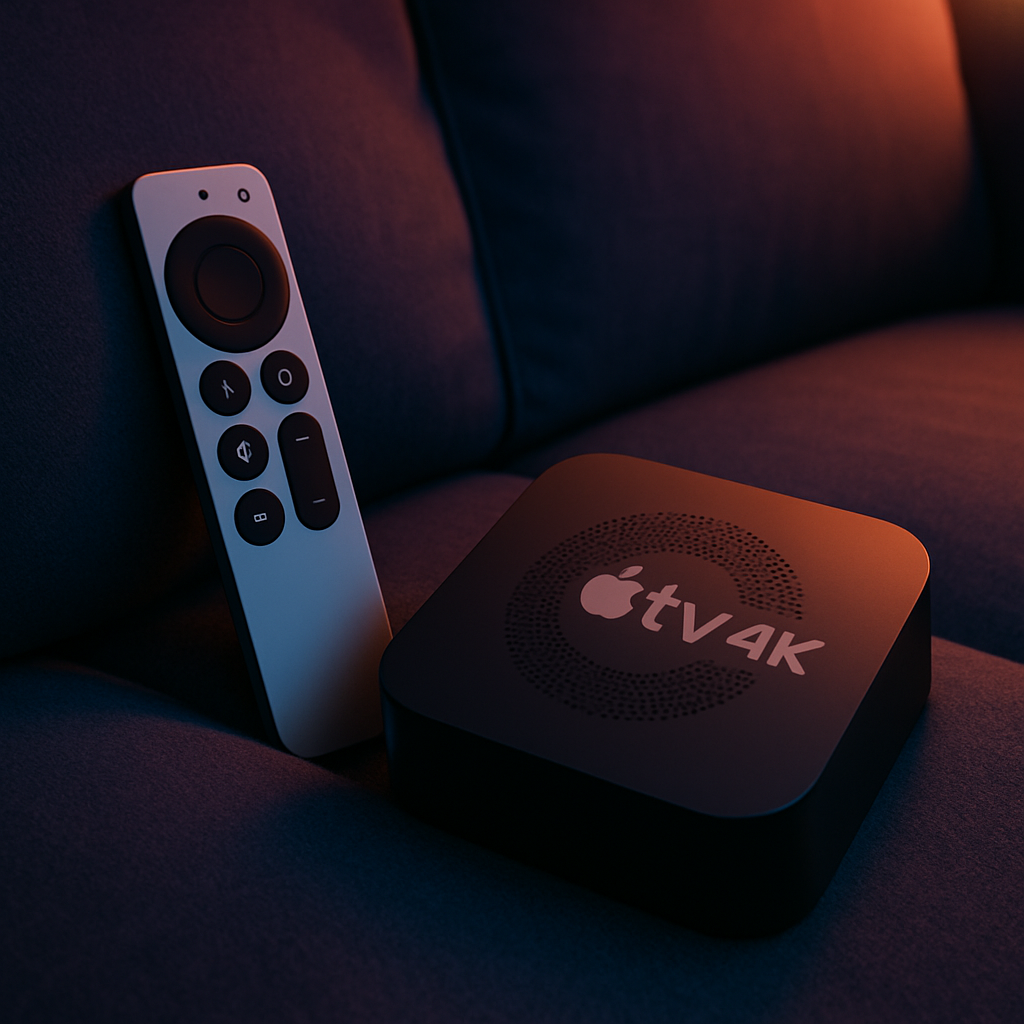
Apple is preparing to launch an upgraded Apple TV 4K featuring its new A19 chip, replacing the A15 processor used in the current 2022 model. This bump in silicon, reported by Bloomberg’s Mark Gurman, is aimed at boosting performance and future-proofing the streaming set-top box. The updated device is expected to hit store shelves on October 30, arriving alongside the refreshed HomePod mini. These unveilings will take center stage at Apple’s “Welcome Home” event on October 13.
Remote Makeover & Voice Control Enhancements
Alongside the processor upgrade, Apple has reportedly tested a redesigned Siri Remote that includes a built-in speaker. The change is intended to help users locate the remote when it’s lost—e.g. under couch cushions. There are also indications that future units of the Apple TV 4K may include integrated microphones to allow voice-enabled Siri interactions without needing either the remote or a paired HomePod. However, whether the microphone and speaker features will ship with the default model remains unconfirmed.
Timing & What to Expect
The new Apple TV 4K and HomePod mini will become available starting October 30. The official reveal is scheduled as part of Apple’s “Welcome Home” event, taking place on October 13. These dates mark the next major refresh for Apple’s streaming and smart speaker hardware.
The move toward a more powerful chip and more accessible remote design reflects Apple’s ongoing effort to refine the user experience. The A19 chip should deliver smoother performance for streaming, gaming, and smart home integrations. Meanwhile, improvements to voice control and remote recoverability address two of the most common pain points users encounter with living-room devices.
Whether the microphone function ends up standard will be key—if included, it could shift how people interact with their Apple TVs, by reducing reliance on the remote or external speakers. The new features also highlight how Apple is increasingly blending hardware upgrades with usability refinements rather than chasing flashy new gimmicks.