Apple Poised for Additional Refunds as Trump’s 10% Global Tariffs Declared Illegal
In a significant legal development, the 10% global import tariffs imposed by former President Donald Trump have been declared illegal, potentially leading to substantial refunds for companies like Apple. This ruling follows a series of judicial decisions that have systematically dismantled the tariff policies enacted during the previous administration.
Background on the Tariffs
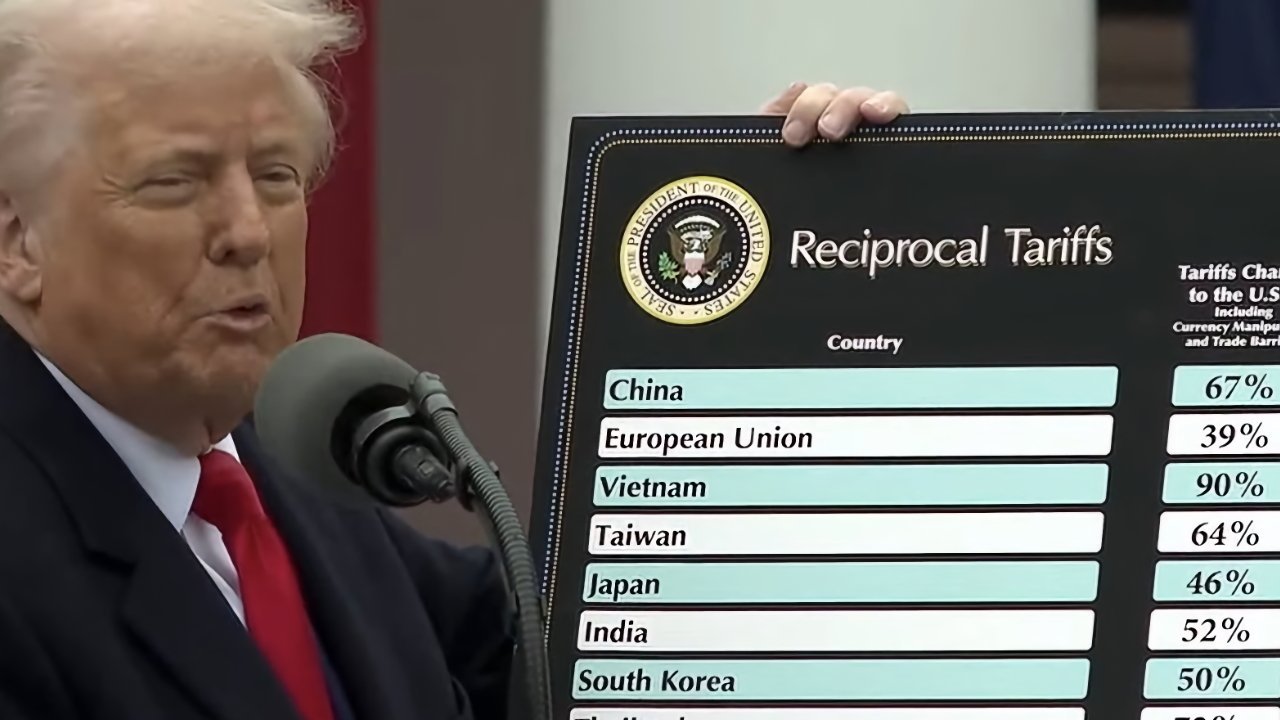
In April 2025, President Trump introduced sweeping tariffs under the banner of Liberation Day, aiming to address trade imbalances and protect domestic industries. These tariffs, which included a 10% global import tax, were applied broadly across various sectors, significantly impacting companies with extensive international supply chains, notably Apple.
The initial tariffs were met with immediate legal challenges. By May 2025, a U.S. trade court ruled that the Liberation Day tariffs exceeded presidential authority, leading to their suspension. Despite this setback, the administration sought alternative legal avenues to maintain its trade policies.
Legal Challenges and Court Rulings
In response to the court’s decision, President Trump attempted to reintroduce tariffs using different legal frameworks. In February 2026, the administration implemented a 10% global import tax under Section 122 of the Trade Act of 1974. This section allows for temporary tariffs to address balance-of-payments issues but requires uniform application across all countries and is limited to a 150-day duration unless extended by Congress.
The reintroduction of tariffs under Section 122 faced immediate scrutiny. Critics argued that the broad application of tariffs without congressional approval still overstepped executive authority. In May 2026, the Supreme Court ruled that these tariffs were also unlawful, reinforcing the principle that significant trade measures require legislative approval.
Implications for Apple
Apple, with its intricate global supply chain, was among the companies most affected by the tariffs. The 10% import tax increased production costs, leading to financial strain and operational challenges. The recent court ruling declaring these tariffs illegal opens the door for Apple to seek refunds for the duties paid during the tariff period.
The process of obtaining refunds is expected to be complex and time-consuming. The U.S. Customs and Border Protection (CBP) has initiated the Consolidated Administration and Processing of Entries (CAPE) program to manage refund applications. Importers of Record (IORs) and customs brokers must apply through the Automated Commercial Environment (ACE) portal, a procedure that may take several months to complete.
Despite the anticipated delays, Apple stands to recover a significant portion of the estimated $3.2 billion paid in tariffs. CEO Tim Cook has indicated that any refunds received will be reinvested into U.S. manufacturing initiatives, aligning with the company’s commitment to domestic production and job creation.
Broader Economic Impact
The invalidation of the 10% global tariffs has broader implications for the U.S. economy and international trade relations. The tariffs had led to increased costs for consumers and strained relationships with key trading partners. The court’s decision underscores the necessity for a balanced approach to trade policy that involves both the executive and legislative branches.
For businesses, the ruling provides a measure of relief and stability. Companies can now reassess their supply chain strategies without the looming threat of sudden tariff impositions. However, the process of recalibrating operations and securing refunds will require careful navigation of regulatory procedures.
Conclusion
The Supreme Court’s decision to declare the 10% global import tariffs illegal marks a pivotal moment in U.S. trade policy. For Apple and similar companies, it offers an opportunity to recover substantial funds and reinvest in domestic operations. The ruling also serves as a reminder of the importance of adhering to constitutional processes in the formulation and implementation of trade measures.