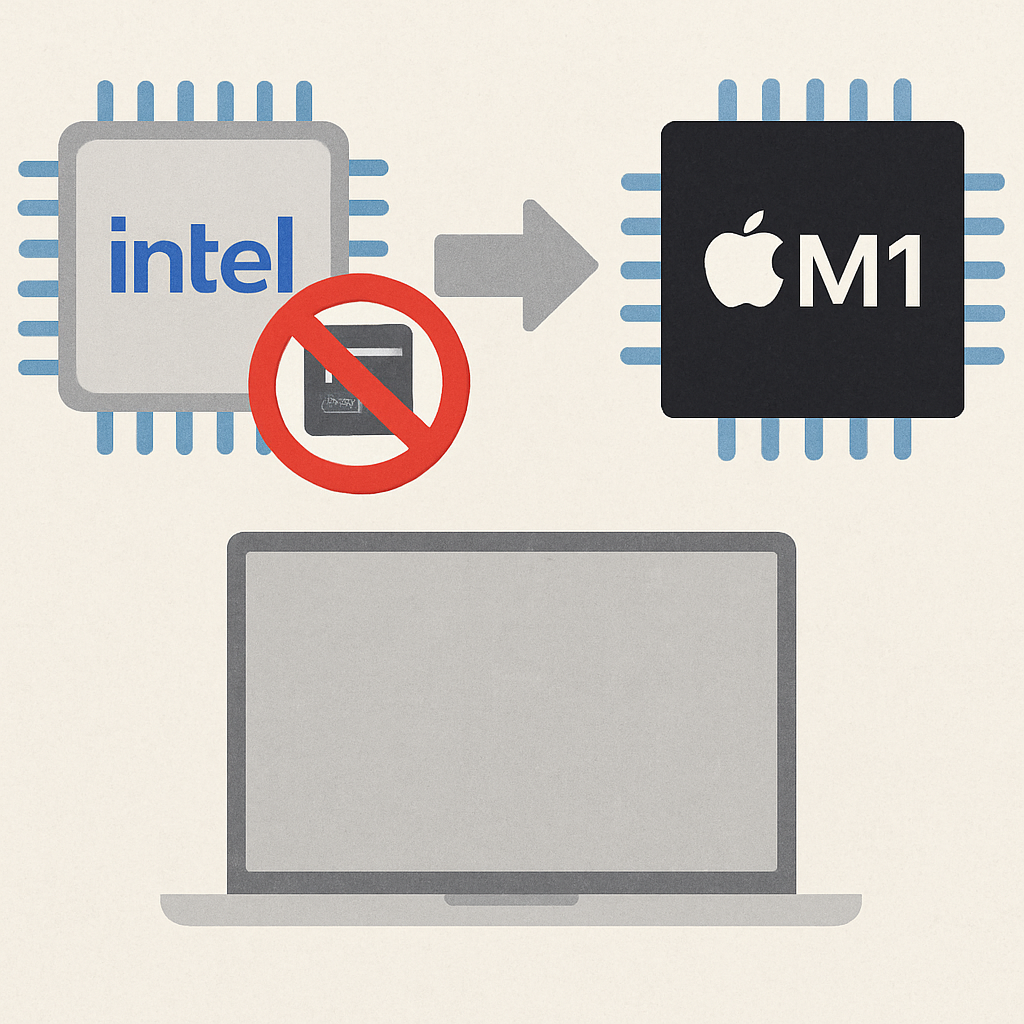
Apple’s transition from Intel processors to its own Apple Silicon chips is nearing completion. With the upcoming release of macOS 27, the company is set to discontinue support for Intel-based Macs entirely. This move signifies a significant shift in Apple’s hardware and software ecosystem.
In 2020, Apple announced its plan to transition away from Intel chips, introducing the M1 chip as the first in its line of Apple Silicon processors. This transition aimed to enhance performance, energy efficiency, and integration across Apple’s product lineup. Over the past six years, Apple has steadily phased out Intel-based hardware, culminating in the forthcoming release of macOS 27, which will be compatible exclusively with Macs powered by Apple Silicon.
A critical component of this transition has been Rosetta 2, a translation layer introduced to allow Intel-compiled applications to run on Apple Silicon Macs. Rosetta 2 has provided a bridge for users and developers during the shift to the new architecture. However, Apple has confirmed that macOS 27 will be the final version to include full support for Rosetta 2. This means that starting with macOS 28, scheduled for release in 2027, Rosetta 2 will no longer be available, rendering Intel-based applications incompatible with the latest macOS versions.
To prepare users for this change, Apple has implemented proactive measures. In macOS 26.4, the company introduced alerts that notify users when they launch applications relying on Rosetta 2, informing them of the impending end of support. This approach aims to give users ample time to transition to native Apple Silicon applications or seek alternatives.
For developers, this timeline underscores the urgency of updating their applications to ensure compatibility with Apple Silicon. While many developers have already made this transition, those who have not must prioritize updating their software to maintain functionality on future macOS releases.
Apple’s decision to end support for Intel-based applications aligns with its broader strategy to optimize hardware and software integration. By focusing exclusively on Apple Silicon, the company can leverage the full potential of its custom processors, leading to improved performance, energy efficiency, and a more cohesive user experience across its devices.
For users still operating Intel-based Macs, this development serves as a prompt to consider upgrading their hardware. While macOS 27 will continue to support Rosetta 2, the subsequent release will not, potentially leaving users unable to run essential applications. Planning for this transition now can help mitigate disruptions in the future.
In summary, Apple’s phased approach to ending support for Intel-based applications reflects its commitment to advancing its technology ecosystem. By providing clear timelines and proactive notifications, the company aims to facilitate a smooth transition for both users and developers as it fully embraces Apple Silicon.