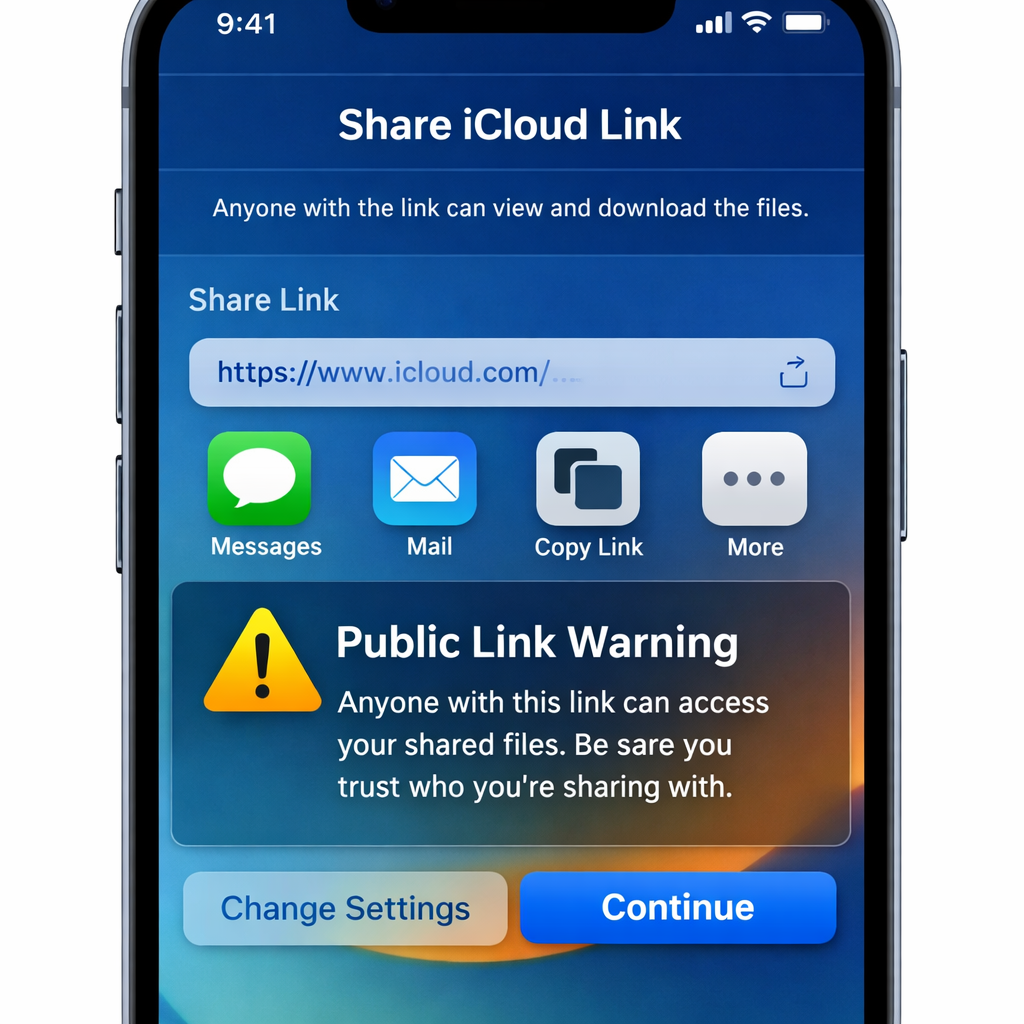
Apple is rolling out a significant privacy and content moderation update. In the upcoming iOS 27.3, plus companion updates to iPadOS, macOS, and visionOS, all files shared via public iCloud links — the “Anyone with the link” option — will begin undergoing scrutiny for harmful content. Previously, users could share public links without content checks, but that’s about to change.
What’s Changing with Public Links
Until now, sharing with “Anyone with the link” meant any user who obtained the URL could view the item, but Apple formally reserved the right to view it as well. With the 27.3 series, those shared items will be actively scanned and moderated for disallowed content. If content violates Apple’s policies, it may be removed, altered, or otherwise restricted.
Those using the “People you choose” sharing option still enjoy tight access controls — sharing here remains limited to people you explicitly approve, with no additional content moderation beyond Apple’s general policies. The change only applies to publicly accessible links where the content is more widely exposed.
Consequences for Violators
If a public link is found to host harmful content, Apple may not only act on the specific item but may also take action against the user’s Apple Account. Penalties can include disabling uploads, preventing the creation of new accounts tied to the same email or phone number, or potentially escalating matters to law enforcement.
This moderation system is part of a newly published support document from Apple that outlines the rules for content sharing with iCloud. It spells out how these checks will happen across operating systems and details the rights Apple reserves regarding modifying or removing content deemed harmful.
Why It Matters
Apple’s shift reflects growing regulatory and ethical pressures around managing user-shared content on cloud platforms. Public links are inherently exposed, making them potential vectors for illegal or harmful material. This update positions Apple as more proactive in balancing transparency, user control, and safety.
For users, there’s now a tradeoff between openness and risk. If you frequently share public links — photos, documents, media — now there’s a chance your content could be flagged and removed. On the other hand, this may enhance trust in Apple’s ecosystem by limiting misuse.
Keep an eye on this rollout. How Apple defines “harmful content,” the transparency around moderation decisions, and how strictly accounts will be penalized will all influence how users respond. It’s a big move in Apple’s broader content moderation strategy — one that could ripple across how we share files online.