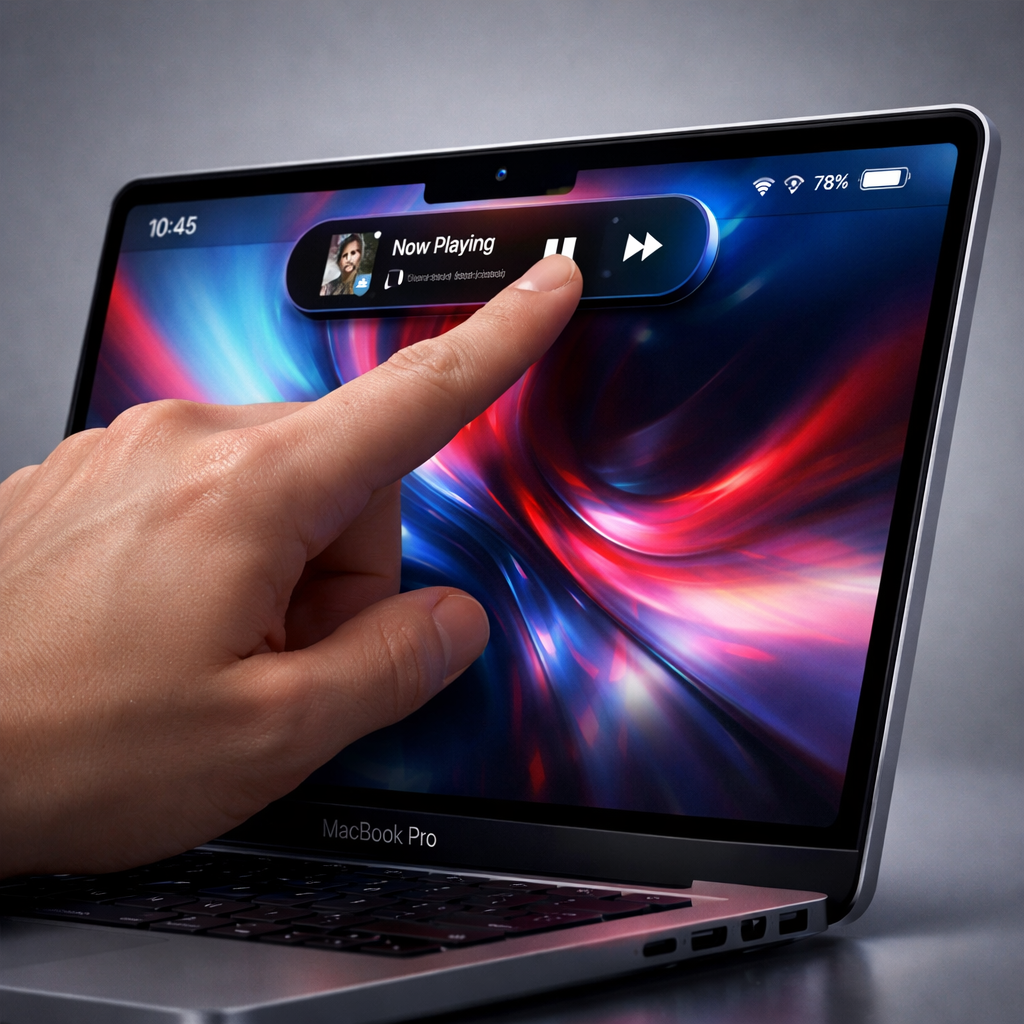
Apple is preparing to announce a major update to its MacBook Pro line, introducing 14-inch and 16-inch models that feature touch-enabled OLED displays. The announcement is expected during an event titled “Pro and Tell” in Los Angeles, scheduled for Wednesday, October 28 at 10 a.m. Pacific Time. These new machines build on the foundation of the current M5 Pro and M5 Max chipsets, which debuted earlier this year.
Design Tweaks, Dynamic Island, and Weight Changes
While the upcoming OLED MacBook Pros are said to resemble the current versions in many ways, two significant design changes are expected: a lighter construction and replacement of the notch with Apple’s Dynamic Island interface at the top of the screen. These tweaks are part of a broader push to refine the Pro line’s usability and visual aesthetic.
New Display, Interface, and Pricing Expectations
The OLED display is more expensive to produce than the mini-LED panels Apple currently uses for high-end MacBook Pros. As such, prices for the new models are expected to be higher—possibly up to $500 more than the existing 14-inch and 16-inch models, which currently start at $2,499 and $2,999 respectively in the U.S.
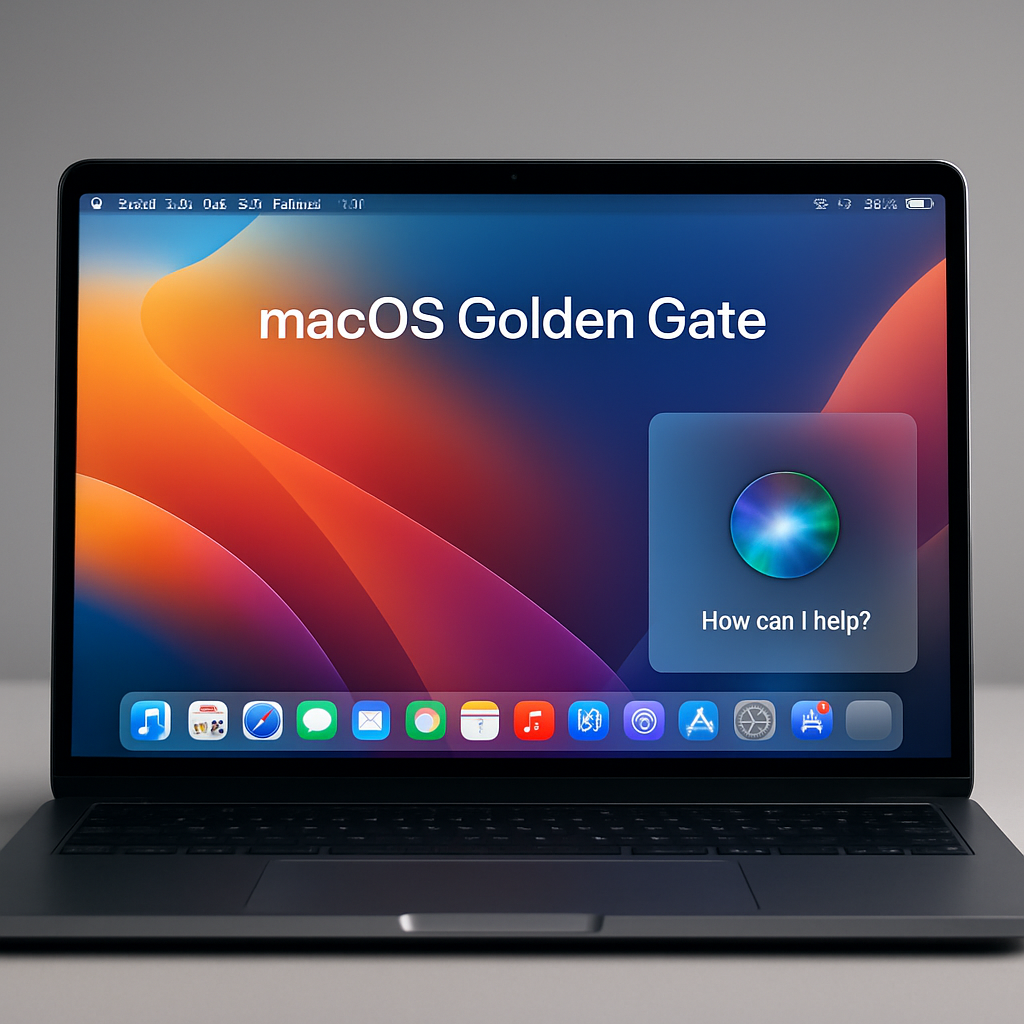
macOS Golden Gate, the upcoming version of Apple’s desktop operating system, is also tipped to gain enhancements tailored for touch interaction. The interface will dynamically adjust based on whether users are tapping the screen or using the trackpad. Expect touch-friendly menus to appear near fingers, and revised layouts for menus and the Dock to handle both touch and pointer inputs.
The new touch-enabled OLED MacBook Pros will join Apple’s current mini-LED Pro models in its product lineup for the time being. However, over time the mini-LED versions are expected to be phased out as customers shift toward the OLED displays.
These upcoming laptops will continue using the M5 Pro and M5 Max chips, signaling that Apple sees more life in its existing silicon before making a leap forward in processor architecture.
WHAT THIS MEANS:With this move, Apple is finally giving users a MacBook Pro with direct touch input—something long-requested. The adoption of OLED panels, lighter builds, and Dynamic Island points to a broader strategy of blending the touchscreen fluency of iPads with the power of Macs. The expected price jump, however, may narrow the market for those who valued cost as a key factor. Keep an eye on how macOS Golden Gate implements touch-first elements without compromising the traditional Mac workflow—it’ll set the tone for Apple’s hybrid input future.