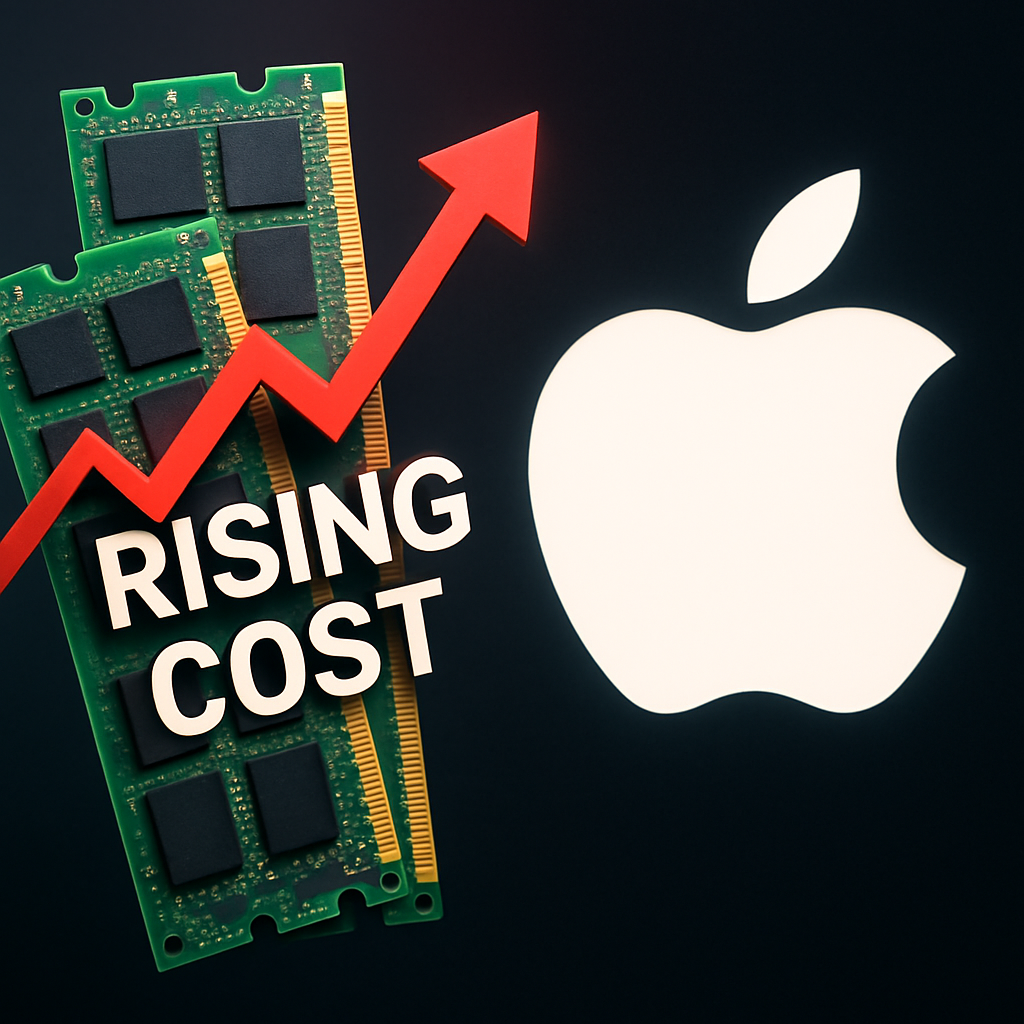
The PC market took a substantial hit last quarter, with overall shipments dropping by about 20% year-over-year. One of the main culprits: skyrocketing RAM prices, which have cut deeply into demand. Apple, however, managed to avoid the worst of this turbulence and even gained ground where many competitors fell behind.
How Apple Gained Market Share Despite RAM Woes
According to IDC’s latest personal computing device tracker, Apple achieved approximately a full percentage point increase in market share compared to the same period last year, despite the headwinds affecting the broader PC space. While rivals were squeezed by rising component costs—particularly RAM—Apple benefited from strong product positioning and perhaps more control over its supply chain. Even as RAM constraints pressured the industry, Apple emerged relatively unscathed.
The difficult conditions—what some are calling the “rampocalypse”—are expected to worsen before they improve. RAM price inflation is predicted to continue putting stress on both manufacturers and consumers. Higher prices are shrinking margins and dampening demand, especially among value-conscious buyers or those less locked into Apple’s ecosystem.
Why This Matters for Apple and Its Peers
In the broader fallout, many PC makers will be forced to adjust strategies. Some may lower specs or delay launches; others could shift toward premium segments less sensitive to price volatility. Apple’s gains suggest its mix of products—laptops, tablets, desktops—plus premium pricing and tight control over components is helping it navigate these economic traps more nimbly.
Still, this doesn’t mean Apple is immune. As RAM costs remain elevated, even Apple’s margins and feature offerings could be squeezed. The ripple effects might affect pricing, update cycles, or how Apple bundles memory in its devices.
Apple’s performance in this difficult quarter underscores a broader lesson in tech: vertical integration, strong brand loyalty, and premium-tier positioning can provide insulation during supply-chain or component cost crises. For Apple’s rivals, the takeaway may be that competing on cost alone becomes a dangerous game when key inputs become volatile.
Analytically, Apple’s small gain amid sweeping pain across the PC market illustrates how preparedness and strategic product planning can convert a crisis into a competitive advantage. What to watch next: how RAM pricing trends evolve, whether Apple adjusts its device specs or pricing in response, and which competitors may be pushed out—or forced to refocus on value or premium niches.