Apple is quietly restructuring parts of Fitness+ and redefining its hardware upgrade policies, signaling shifts under the new leadership and broader cost pressures. Key changes include layoffs on audio teams, reduced frequency of certain content, and tighter storage limitations on its latest Macs.
Fitness+ Audio Staff Cuts & Content Slowdown
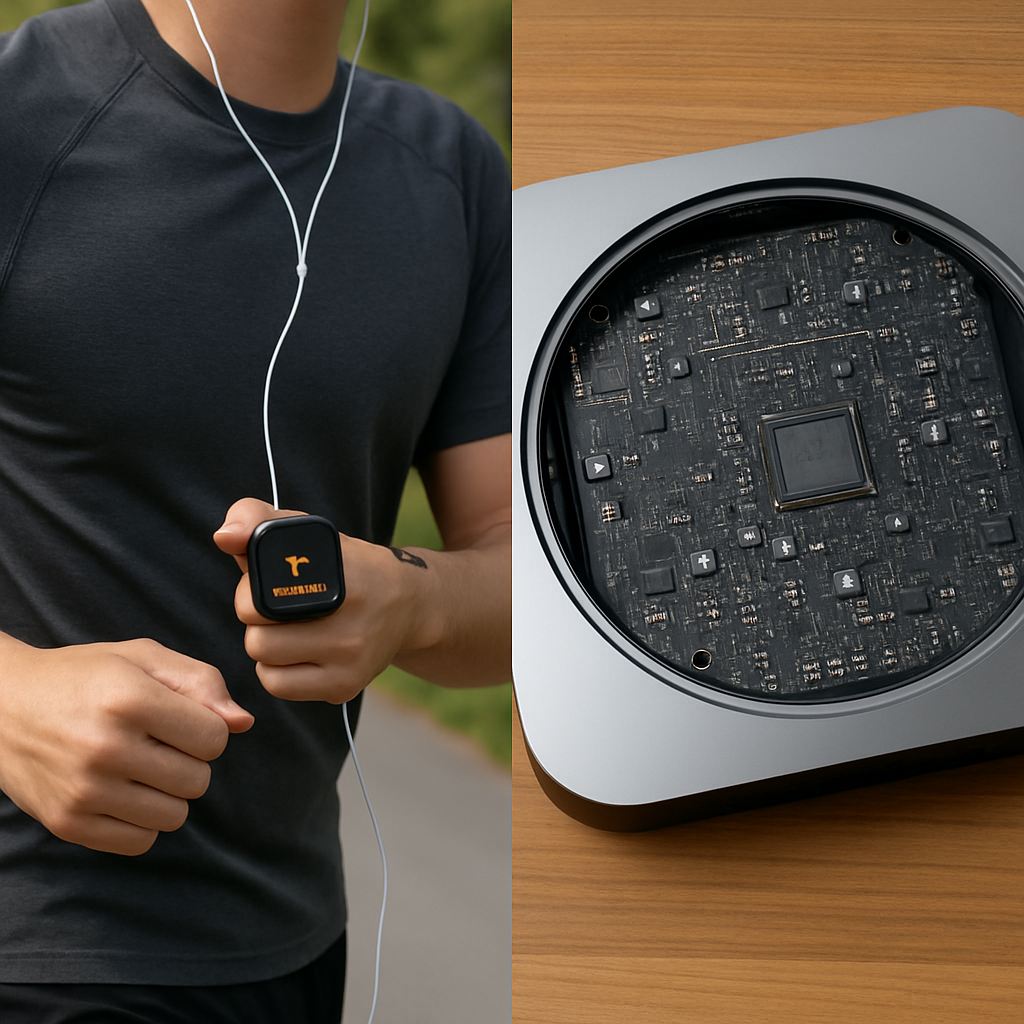
The Fitness+ division has let go of a small group of employees responsible for its audio offerings—specifically programs like “Time to Walk” and “Time to Run,” which allow Apple Watch users to follow guided sessions without needing a video feed. The layoffs reflect an effort to reduce operating costs amid demands for continuous content production and persistent subscriber churn. While Apple has not confirmed removing existing content, new audio features are expected to arrive less often. Leadership changes last year placed Fitness+ under senior executives who oversee services and health, and the service is currently under review. However, there is no indication that Fitness+ will be discontinued.
Mac Mini Storage: Upgrades Limited Internally
The newest Mac mini models, including M5 Pro and M6, no longer support aftermarket storage upgrades. Repair and teardown visibility reveals that the SSD in these units is soldered to the logic board, removing the possibility of swapping internal storage later. This marks a rollback from earlier configurations where Apple used proprietary removable flash modules in models like the 2024’s M4 and M4 Pro. While external solutions remain viable, enthusiasts who planned to upgrade storage internally are now constrained at the point of purchase.
Claim Your Share: $250M Siri & Apple Intelligence Settlement
Apple’s legal settlement tied to allegations that it misrepresented the availability of “Apple Intelligence” features is now actionable. Under a $250 million class-action agreement, U.S. owners of iPhone 15 and 16 models bought between June 10, 2024, and March 29, 2025, are eligible to file claims. The payout per device starts at $25 but could rise to $95 depending on participation. The claims window is open now through December 21. Final approval hearings are scheduled for early 2027, with payouts expected thereafter.
Analytical Take: These developments offer a glimpse into Apple’s tightening grip under its newer executive regime. For Fitness+, content scale and format are being reevaluated—not just for financial sustainability, but to decide what fits within a broader health ecosystem that may eventually fold audio-first formats into a unified Health app. On the hardware side, locking down internal storage signals Apple’s strategy to simplify manufacturing and perhaps increase hardware margins, at the expense of flexibility for consumers. It’s a reminder: decisions made today around content cadence and component soldering will shape both Apple’s cost profile and user experience in the coming years.