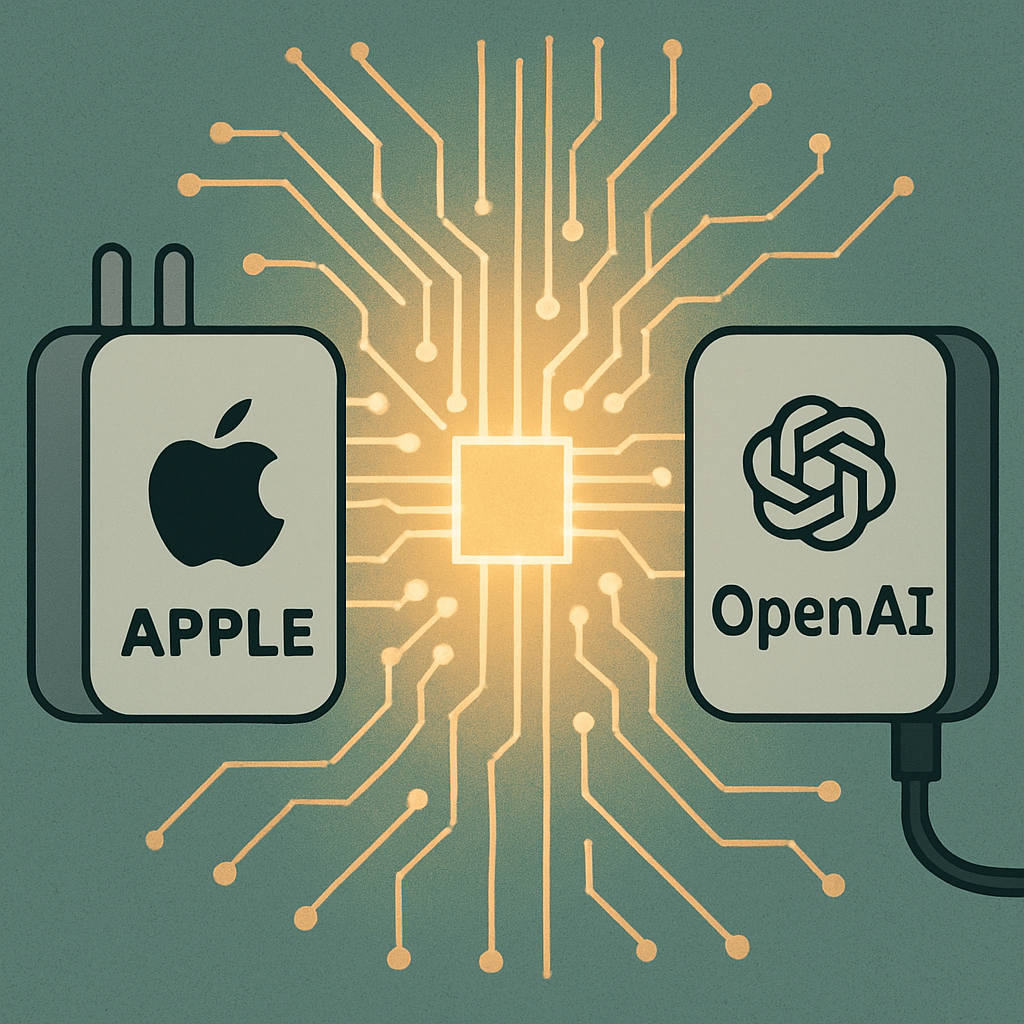
Apple’s Senior Vice President of Worldwide Marketing, Greg Joswiak, has pushed back against concerns that OpenAI’s hardware ambitions pose a serious challenge to Apple’s strategy. In a recent interview, he emphasized that Apple doesn’t feel threatened, pointing to its strength in integrating hardware, software, and services as its competitive edge.
Apple’s Ecosystem Approach
Joswiak said Apple’s integration across its platforms—thanks to its control over design, operating systems, and services—enables experiences it believes are superior to anything emerging from competitors. He dismissed OpenAI’s hardware roadmap as less of a worry, given Apple’s established edge in making cohesive, user-friendly products.
Broader Appeal vs. AI Obsession
In differentiating Apple’s target from OpenAI’s, Joswiak drew a clear line between mainstream consumers and what he called “superintelligence” enthusiasts. While noting that Apple also builds its own AI models, he made clear that the company’s priority is serving everyday users, not chasing the bleeding edge of AI for its own sake.
This perspective comes amid growing scrutiny over how tech giants are navigating AI arms races and balancing innovation with usability and privacy. Apple appears confident that it can deliver functional, privacy-focused AI solutions without getting entranced by hype around extreme intelligence.
Joswiak used phrases like “the lunatic fringe” to reference those laser-focused on superintelligent AI, saying that Apple respects such work, but doesn’t see it as its mission. Instead, the company aims for more modest—yet broadly useful—advances that help people in daily life.
Apple’s cautious tone is echoed in comments from other executives like CEO John Ternus, who also emphasize privacy-preservation and personalization over outrunning rivals in terms of raw AI capabilities. Though Apple is training its own AI, Joswiak and peers downplay claims that it is pushing the frontier in super-smart models.
For now, Apple seems to believe its longstanding ecosystem cohesion is sufficient insulation against competitive pressure from firms like OpenAI. It’s not drawing battle lines over raw power—but over what users genuinely need and care about.
What this means: Apple’s message is not denial—it’s a strategy. The company isn’t ignoring AI competition, but defining its turf around usability, privacy, and integrated user experience, rather than chasing superintelligence. As OpenAI’s hardware plans unfold, watch for how much they echo Apple’s values—or how widely they seek appeal beyond AI enthusiasts. That contrast may shape the next phase of competition.