Apple’s Visionary Leap: Integrating Visual Intelligence into Wearable Technology
Apple Inc. is poised to redefine the wearable technology landscape by integrating advanced Visual Intelligence into its product lineup. Under the leadership of CEO Tim Cook, the company is focusing on enhancing user experiences through innovative applications of artificial intelligence (AI) in devices like AirPods and a forthcoming AI pendant.
Visual Intelligence: A New Frontier
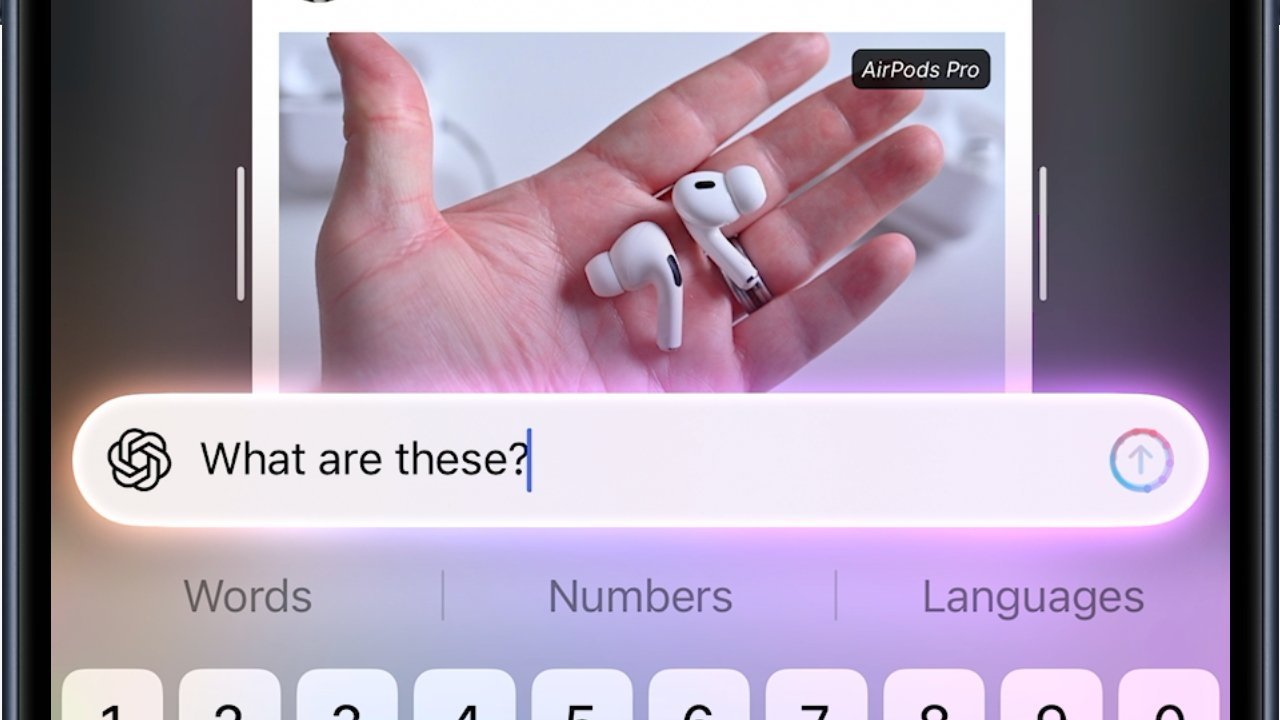
Visual Intelligence represents a significant advancement in AI, enabling devices to interpret and respond to visual data. This technology allows users to interact with their environment in more intuitive and meaningful ways. For instance, by analyzing images or surroundings, devices can provide contextual information, identify objects, or offer navigation assistance.
Tim Cook’s Strategic Emphasis
Tim Cook has consistently highlighted the potential of Visual Intelligence. During a recent earnings call, he described it as one of Apple Intelligence’s most popular features. Cook emphasized that Apple’s extensive ecosystem of 2.5 billion devices provides a substantial advantage in AI development. He envisions Visual Intelligence as a transformative element that will make Apple’s wearable devices indispensable tools in daily life.
Innovative Wearable Devices on the Horizon
Apple is reportedly developing new wearable devices that leverage Visual Intelligence:
– AirPods with Integrated Cameras: Expected to debut in late 2026, these AirPods will feature low-resolution or infrared cameras. Unlike traditional smart glasses, this design maintains a minimalist aesthetic while providing AI with a visual perspective of the user’s surroundings. Potential applications include real-time object recognition and enhanced navigation.
– AI Pendant: Rumored to be a versatile accessory that can be worn as a pin or pendant, this device will also incorporate a camera to feed visual data to Apple Intelligence. It aims to offer functionalities such as identifying objects, providing contextual reminders, and delivering intuitive navigation cues based on visual landmarks.
Challenges and Considerations
While the prospects are exciting, integrating cameras into compact devices like AirPods presents significant technical challenges. Apple must miniaturize camera components and manage data processing efficiently to ensure seamless user experiences. Additionally, the development of proprietary visual recognition algorithms is crucial to reduce reliance on external AI services and maintain user privacy.
A Pattern of Innovation
Tim Cook’s proactive discussions about Visual Intelligence align with Apple’s history of introducing groundbreaking products. Prior to the launch of the Apple Watch, Cook emphasized the potential of sensor technology in health monitoring. Similarly, his advocacy for augmented reality preceded the release of the Apple Vision Pro. This pattern suggests that Apple’s focus on Visual Intelligence is a precursor to significant advancements in wearable technology.
Conclusion
Apple’s commitment to integrating Visual Intelligence into its wearable devices signifies a strategic move to enhance user interaction with technology. By providing devices that can interpret and respond to visual information, Apple aims to offer more personalized and intuitive experiences. As these innovations unfold, they are set to redefine the role of wearables in our daily lives, making them more than just accessories but essential tools for navigating and understanding the world around us.