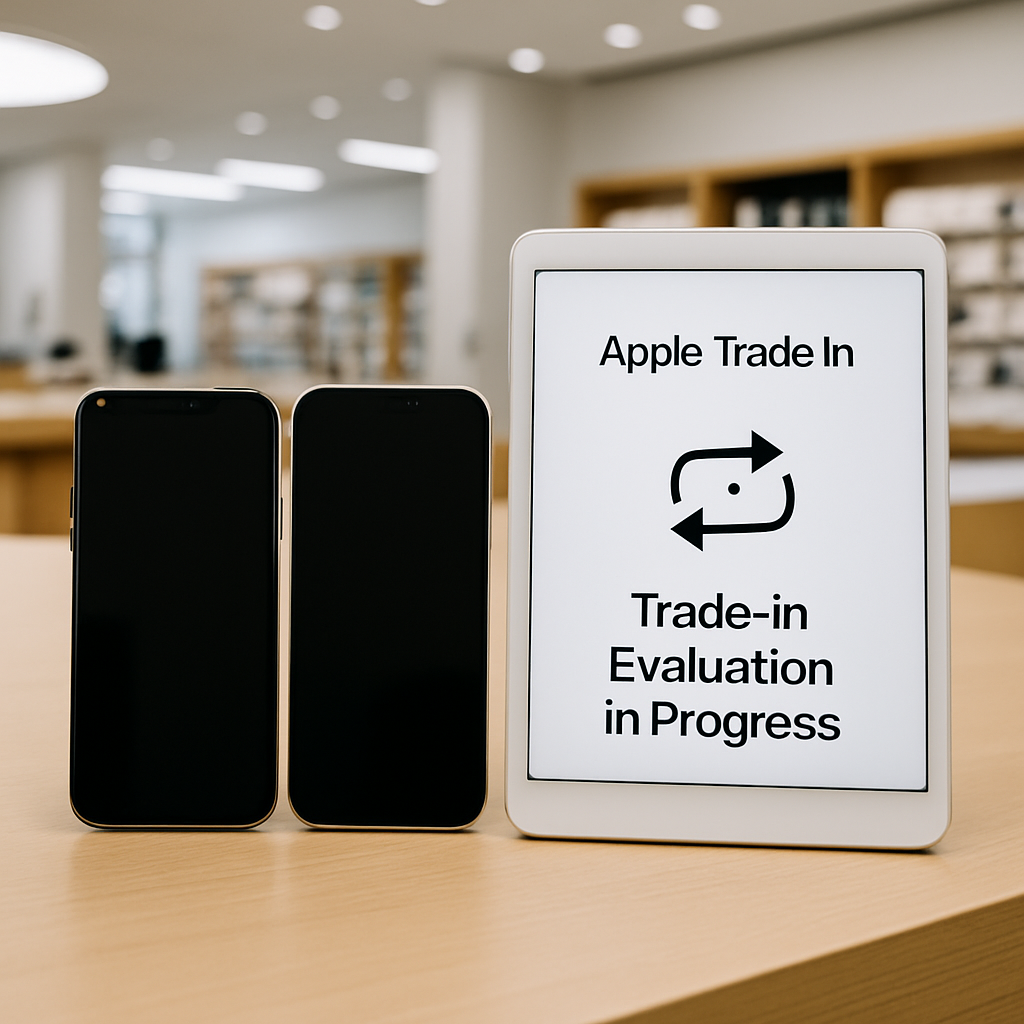
Starting today, Apple is updating its trade-in program to better reflect the condition of devices with minor cosmetic flaws. Instead of classifying small issues—like tiny chips in display glass—alongside serious damage, such imperfections will now receive more favorable trade-in value adjustments. Under the revised structure, customers aren’t expected to receive less than they would have otherwise, and only major defects will continue to incur steep penalties in trade-in valuations.
The change will apply in most countries where Apple offers trade-in services, though there are a few markets where the new policy will not take effect. The update becomes active immediately once Apple’s trade-in website resumes service following brief downtime to reflect the new pricing model.
Previously, Apple’s trade-in system penalized devices harshly even for minor cosmetic issues. A small chip in the display or similar imperfection could lead to the same reduction in value as far more extensive damage, such as a cracked screen. The new approach aims to bring more nuance to how trade-in values are determined, separating minor blemishes from major damage.
This revision follows Apple’s broader trade-in value increase in August, when the company boosted trade-in prices across its product lines—including iPhones, iPads, Macs, and Apple Watches. It’s unclear whether the cosmetic damage policy reform is part of another sweeping update to those base values or strictly a separate adjustment focused on condition criteria.
Why this matters for users
For people looking to upgrade devices that show signs of wear, the new policy could translate to hundreds of dollars in difference depending on the severity of cosmetic damage. What once might have been classified as “significant damage,” triggering deep value deductions, may now be considered only minor, preserving more value in trade‐ins.
It also reflects a growing trend in device resale and trade-in markets: consumers increasingly expect more precise, fair valuation systems. As devices become costlier and consumers more careful, brand programs like these are under pressure to deliver transparent and equitable assessments. Apple’s move could force competitors to reexamine their own policies for cosmetic wear.
Additionally, the change could reshape how users care for devices they plan to trade in. Minor scratches, chips, or blemishes may previously have encouraged people to shave repair costs or sell outside Apple’s channels. With more generous treatment of such flaws, the trade-in route becomes more attractive even for less pristine devices.
This policy shift also carries environmental implications: by supporting trade-in of devices in reasonably good cosmetic condition rather than discarding them or replacing parts for minimal damage, Apple helps extend device lifespan and reduce waste. That aligns with Apple’s wider sustainability goals.
What to watch now: precisely how Apple defines “minor cosmetic damage,” which markets are excluded, and how much more one can expect in trade value compared to the prior system. Another question is whether Apple will update the criteria for what constitutes “serious damage” or overhaul its trade-in values again in concert with condition definitions.
In brief: Apple’s trade-in program is becoming fairer for users whose devices show minor cosmetic flaws. This move benefits customers, enhances transparency, and may shift industry expectations—and it’s a change worth monitoring closely.