Apple’s incoming CEO, John Ternus, is shaking up its product launch strategy. Internal plans reveal a push for more frequent hardware introductions, moving away from its long-standing spring and fall release cycles. The goal: widen Apple’s device lineup and allow for more rapid deployment of new product types throughout the year. Key to this shift is fostering a leaner organization with a stronger emphasis on engineering, and a mandate for more experimentation across all product lines.
Breaking the traditional timeline
Historically, Apple has introduced major devices only twice a year—e.g. new iPhones in fall, other products in spring. Now, under Ternus, the company is exploring releases spread over more points in the calendar. The idea is to catch up with fast-moving competitors in markets like AI and smart hardware, where agility and the ability to pivot matter more than ever.
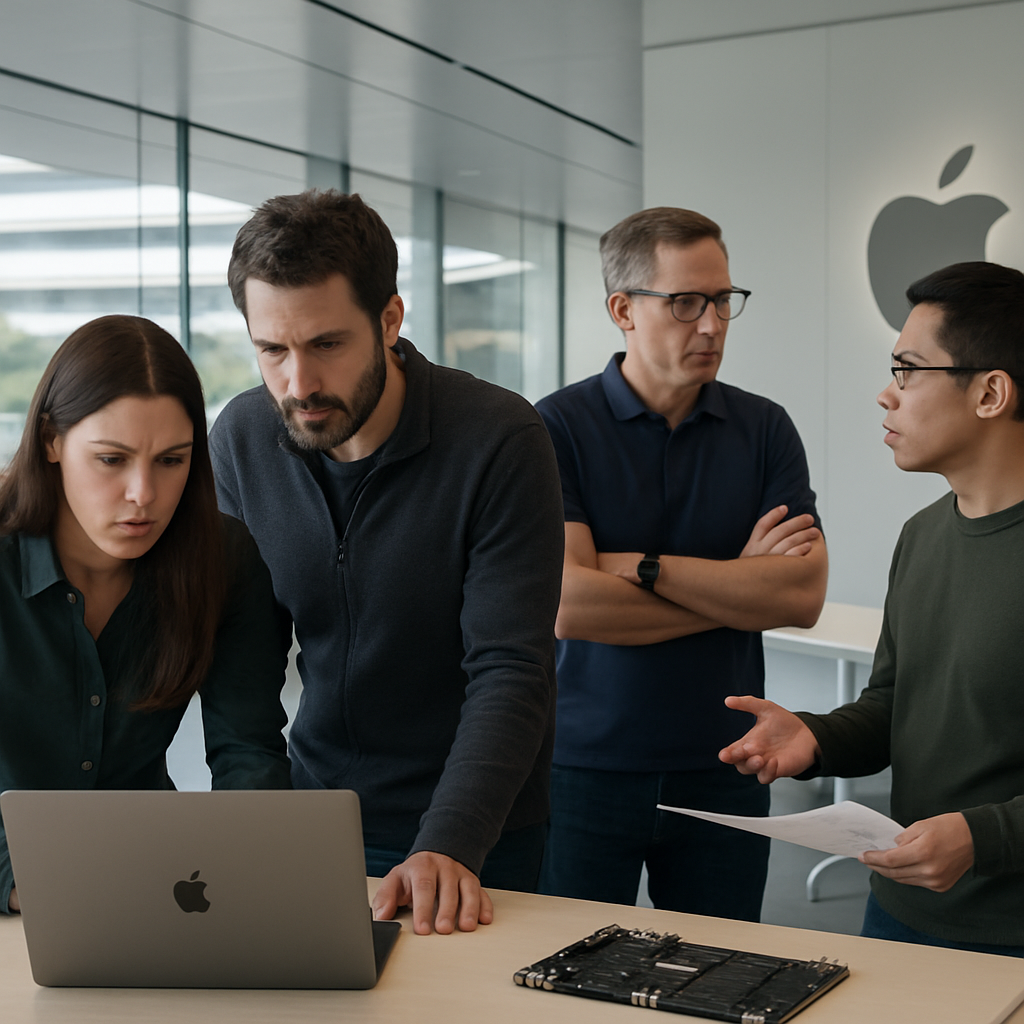
To enable faster launches, Apple is considering trimming some layers of management. The proposed changes would reduce the middle-management structure, bringing engineers and senior leaders into closer collaboration and shortening decision paths. The company is also planning to hire fewer people while demanding more from its existing engineering teams—efforts aligned with reducing organizational complexity.
Revenue, services and cost control
With services growth slowing, Apple appears to be doubling down on deriving more income from existing products. Discussions are underway about launching new services to diversify revenue. Meanwhile, early-stage planning for 2027 shows tight budgets: staffing gains are flat, marketing spend is slashed, and cost increases are under review.
The company has already begun layoffs targeting directors and engineering program managers, especially in Siri, Vision Pro, AI software engineering roles, and Fitness+ related teams. Affected staff have been given a few weeks to relocate internally; those who can’t will be let go. Further job reductions are possible later this year or early next year.
Amid the internal restructuring, engineering teams are reporting an uptick in pace. Deliverables are under tighter deadlines. There’s a broader push for “hands-on” leadership. Product groups are being tasked with producing more frequent updates on shorter timescales. The culture shift appears both ambitious and intense.
Though these changes are sweeping, insiders say they won’t happen overnight: achieving this more flexible, efficient structure could take years. But the early signs—recent dismissals, budget tightening, and process overhauls—underscore that this is more than a theoretical exercise.
Apple has long relied on its predictable design and release rhythm. For years it’s been a strength—carefully engineered products, polished marketing, and managed expectations. But in the fast-evolving arenas of generative AI, wearable innovation, and smart displays, speed may be just as vital. If Apple can both retain its design standards and accelerate its cadence, the balance could redefine what it means to be a tech leader in the next decade. What to watch: how these changes affect product quality, how consumers respond to off-cycle launches, and whether the loss of middle-management produces the intended agility without sacrificing cohesion.