Apple appears poised to phase out its high-end MacBook Pro models that lack touchscreen capability, consolidating its product line around touch-enabled machines. The change is driven by the costs and complexity of maintaining multiple parallel designs for premium laptops. The timeline suggests the transition will unfold alongside the release of Apple’s next-generation chips and redesigns expected in 2027.
Touchscreen Models Take Center Stage
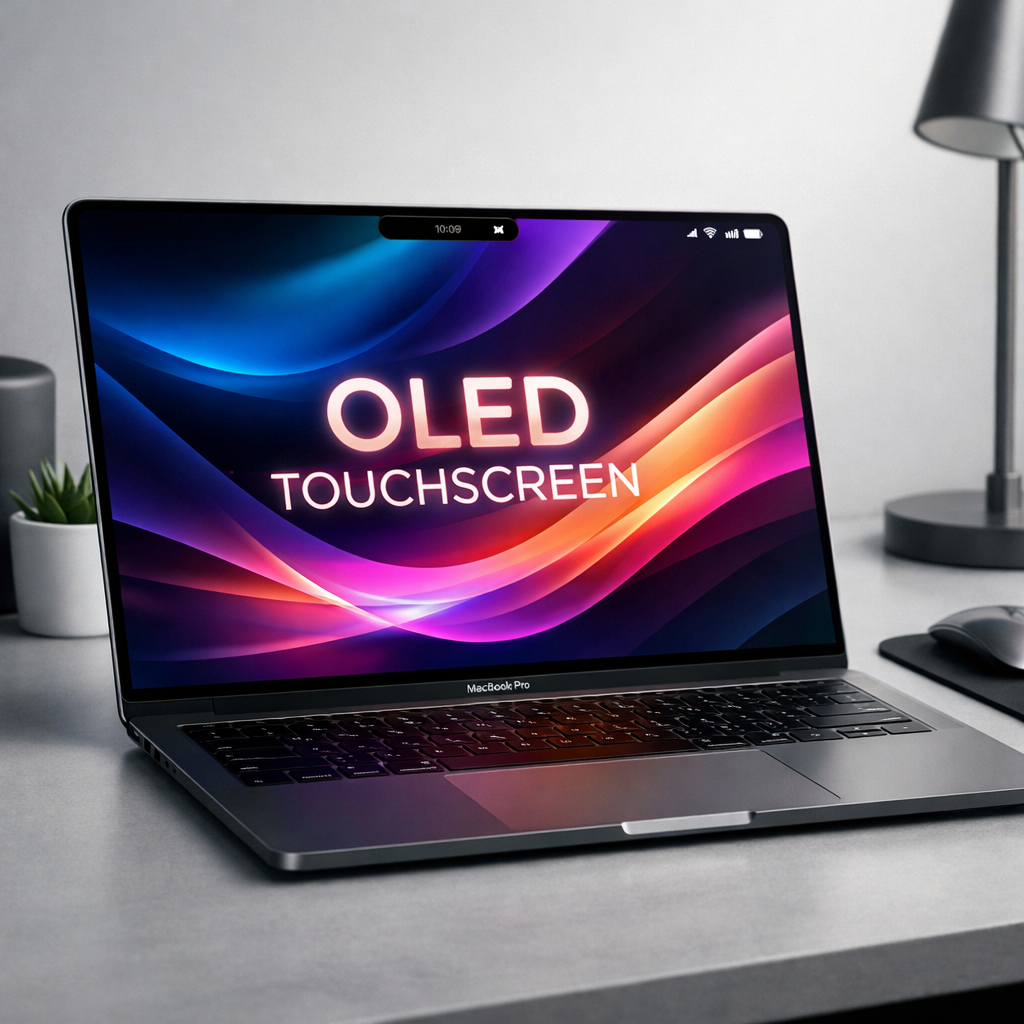
Recently, Apple launched new MacBook Pros outfitted with touch-sensitive OLED displays, Dynamic Island, and lighter, thinner enclosures. While non-touch versions—powered by M5 Pro and M5 Max chips—are still being sold, they’re approximately $400 less. But industry sources say this price gap, together with overlapping development, manufacturing, and marketing demands, is pushing Apple toward unifying its high-end MacBook Pro line around the touchscreen models.
What to Expect in 2027
Apple plans to release updated high-end MacBook Pro models featuring the M7 Pro and M7 Max chips, which will include enhanced hardware support for artificial intelligence. Alongside those, there are reports that the entry-level 14-inch model will also receive a redesign with the M7 chip. Enhancements for that base version may include a lighter frame, thinner enclosure, and narrower screen borders—mirroring changes introduced in the revamped premium versions.
While Apple hasn’t specified exactly when the non-touch models will be fully discontinued, the company’s previous and upcoming chip roadmap, as well as recent redesigns, provide a window: by late 2027 or around the next major iteration. It seems non-touch versions will be phased out gradually as the new touchscreen models proliferate across the lineup.
Apple’s push toward touchscreen MacBook Pros reflects a larger trend in PC design, where touch interfaces and flexible multitouch gestures increasingly shape expectations. From improving user interactions directly on-screen to enabling new forms of engagement with system features, touch is becoming less of a niche and more mainstream—even for traditional laptop form factors.
Ultimately, this shift could mean fewer hardware choices for buyers accustomed to classic pro laptops without touchscreens—but the trade-off is a more streamlined lineup with modern features baked in. For users, that means waiting to see how the 2027 evolution plays out: what price points are preserved, how performance scales, and how Apple manages the transition without alienating existing users.