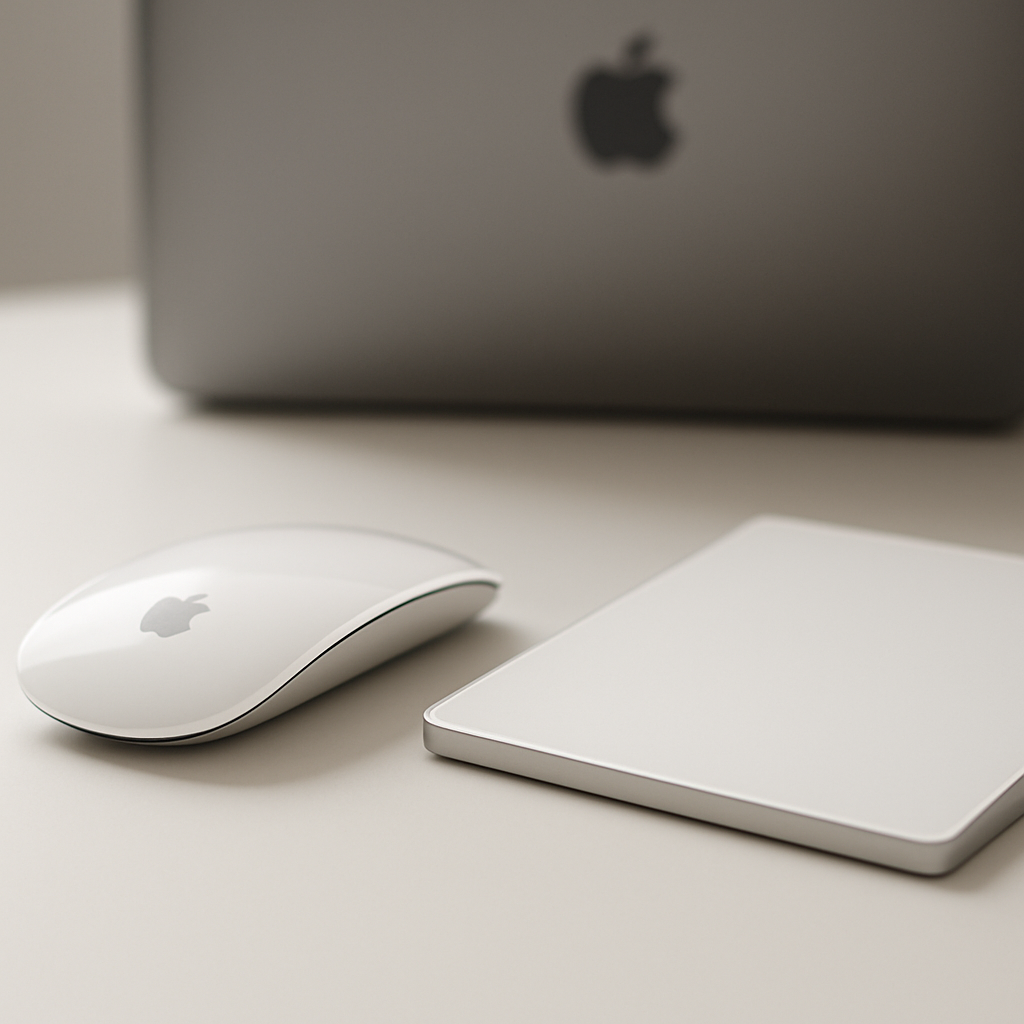
Apple has quietly pulled all Intel-based Macs from the compatibility lists for its Magic Mouse and Magic Trackpad accessories. In late August, the company updated the product pages for both devices to indicate they’re officially compatible only with Macs powered by Apple silicon. More recent updates to tech spec documents on Apple’s support site reinforced this change. However, the accessories continue to function on Intel Macs even though they’re no longer featured as supported on the main compatibility lists. It remains unclear why Apple made the change without adjusting the actual performance or usage of these devices.
What’s Behind the Move?
This revision signals another step in Apple’s ongoing transition away from Intel processors. Since 2020, Apple has shifted its Mac lineup to in-house silicon—like the M1 and M2 chips—with promises of better power efficiency, performance, and tighter hardware integration. Removing Intel Macs from accessory compatibility promotions appears to be part of that broader shift.
By omitting Intel Macs from listings, Apple may be trying to reduce confusion among buyers, emphasizing that its latest devices and accessories are designed for the silicon architecture it controls. It could also be a move to nudge more users toward upgrading, aligning accessory support guidelines with the newest platforms.
Implications for Users
Users with Intel Macs won’t see any changes in how the Magic Mouse or Trackpad works—Apple confirmed that these accessories still function with older machines. The change is purely one of documentation: eligibility for official support and compatibility pages will now list only Apple silicon Macs. This might matter if seeking warranty support or troubleshooting solutions where compatibility gets questioned.
Apple hasn’t offered an explanation or public comment on why it chose to update compatibility this way. There’s no indication that Intel Macs have developed compatibility issues or that a software update broke any functionality—this appears to be a repositioning rather than a technical requirement.
Why this matters: The compatibility change reflects Apple doubling down on its in-house silicon strategy. For owners of Intel Macs, the shift could introduce uncertainty in future accessory compatibility and support. Watch for whether Apple extends similar compatibility revisions to other accessories or software offerings, potentially accelerating the retirement of Intel-era hardware support.