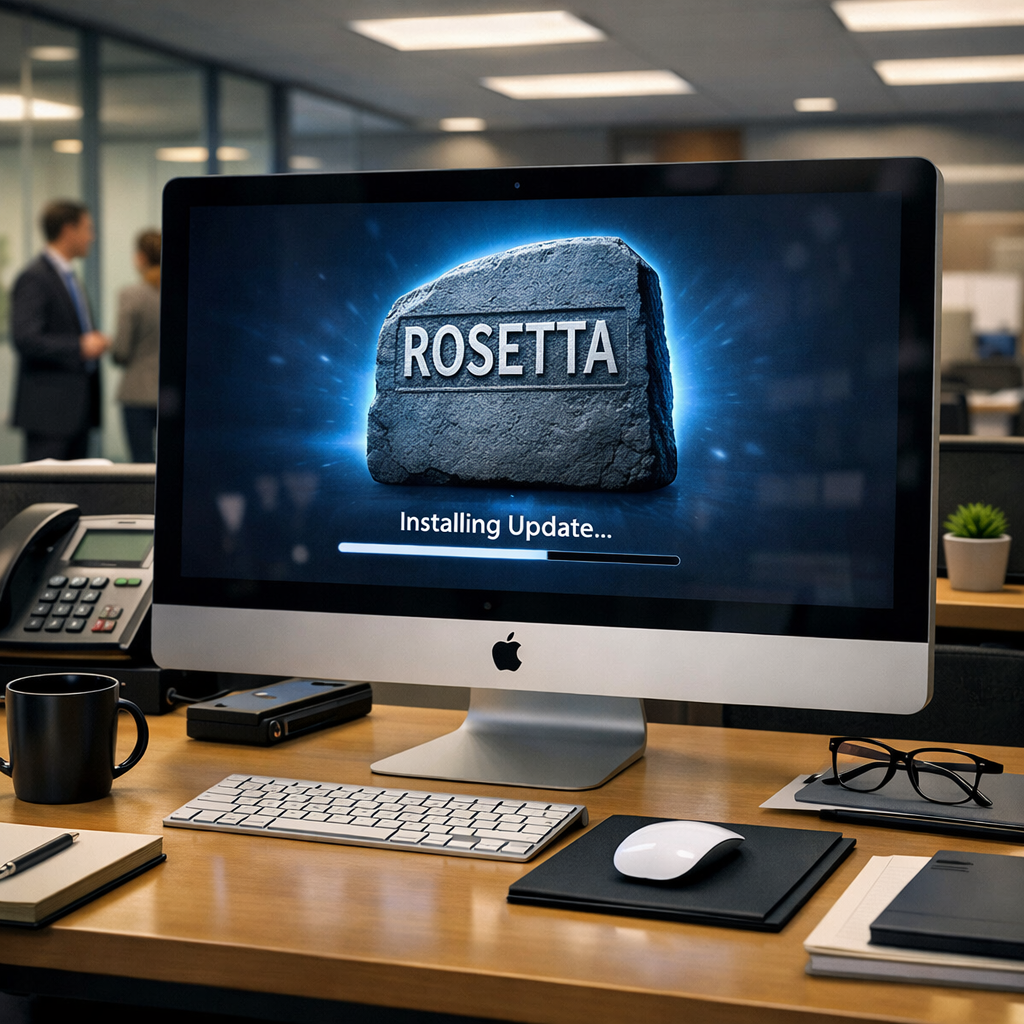
Apple has quietly resolved a snag introduced in its Golden Gate rollout for macOS 27: Rosetta was inadvertently removed during upgrades, even though Apple′s documentation promised it would remain available throughout version 27. The fix appears in the 27.2 update, where Apple confirms that Rosetta is no longer removed during system upgrades. This correction follows weeks of disruptions in enterprise environments.
Rosetta’s Unexpected Disappearance
Rosetta, Apple’s compatibility layer that lets Intel-based apps run on Apple Silicon Macs, had been slated for eventual phase-out—but not until macOS 28, scheduled to arrive next fall. Apple’s public guidance clearly stated that while Rosetta would continue as a general-purpose compatibility tool up to and through macOS 27, upgrades would not bring it back automatically if it was previously removed. Despite that caveat, many users found that Rosetta was being stripped out entirely when moving to macOS 27—even for systems where it hadn’t been uninstalled manually. This went beyond the intended behavior of prompting users to reinstall; some apps wouldn’t launch at all without intervention.
What Changed in macOS 27.2
The macOS 27.2 enterprise release notes include a pivotal line: “Rosetta is no longer removed when upgrading to macOS 27.” This restores the behavior enterprise users were promised, and removes a common source of IT help-desk tickets triggered by broken apps after upgrades. Other improvements in 27.2 include changes for Platform Single Sign-On (SSO): the new login experience is now default when using OpenID or when Touch ID is required, additional HTTP headers can be sent to identity providers, and password syncing issues have been fixed for devices that registered under macOS 26 or earlier.
Why This Mattered to IT Teams
For organizations managing fleets of Macs, predictability matters. Many teams planned for continued Rosetta support through macOS 27, making decisions on software updates, vendor relations, and app compatibility accordingly. When Rosetta was removed prematurely—or appeared to be—some critical tools and agents simply failed to launch, creating unexpected work for users and IT staff alike. The issue wasn’t just theoretical: enterprise IT teams had to field support tickets for apps that no longer worked post-upgrade.
Rosetta’s removal in this context wasn’t a full deprecation yet—Apple had not blocked the tool—but the behavior represented a change away from existing documentation. With macOS 28’s impending timeline, the enterprise world was watching closely for any break in compatibility, especially for smaller vendors who haven’t transitioned to native Apple Silicon versions of their software.
This reversal in 27.2 doesn’t obviate the need to prepare. Rosetta support still has a sunset date on the horizon. Teams still relying on Intel-only apps should evaluate their usage, engage vendors, and plan migration paths. But this fix restores trust: Apple corrected a release behavior that contradicted its roadmap, ensuring that macOS 27 behaves as promised until its planned end-of-life.