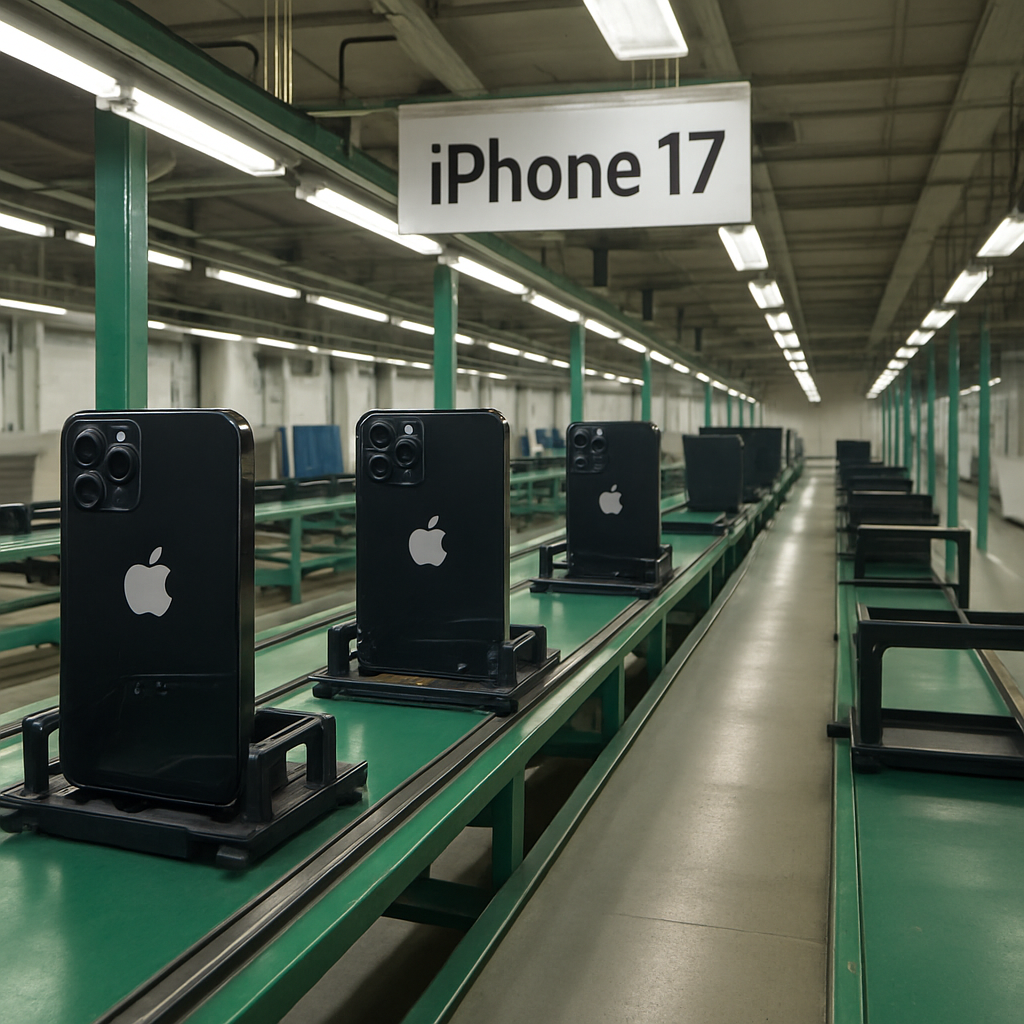
Apple has reportedly adjusted its production plans for the iPhone 17, reducing output by approximately 15% due to escalating hardware costs. This decision reflects the company’s response to shifting market dynamics and internal assessments of demand.
According to sources within Apple’s supply chain, some production lines for the standard iPhone 17 have transitioned from an initial 15% reduction to suspending about one-third of their capacity. This move underscores Apple’s proactive approach to managing production in light of increased component expenses.
The tech industry has been grappling with rising costs for memory and storage chips, driven by heightened demand from AI companies expanding their data centers. These cost pressures have led Apple to implement price increases across various product lines. Notably, CEO Tim Cook described these adjustments as “unavoidable.” While iPhone prices have remained stable thus far, there is widespread anticipation that the upcoming iPhone 18 Pro models, expected in September, may introduce higher prices across the smartphone lineup.
Looking ahead, Apple plans to unveil the next-generation iPhone 18 model in the spring, alongside new iterations like the iPhone 18e and iPhone Air 2. This strategy indicates a shift towards staggered product launches, potentially allowing Apple to better manage production schedules and respond to market demands more effectively.
Apple’s decision to scale back iPhone 17 production highlights the challenges tech companies face in balancing production costs with consumer demand. As hardware expenses continue to rise, companies must navigate these pressures while maintaining product appeal and market competitiveness. Observers will be keen to see how Apple’s forthcoming product releases and pricing strategies adapt to these evolving conditions.